Tragedy in Iran: US-Israeli Strike Kills Dozens of Children, Exposing the Human Cost of Intervention
A devastating attack on a girls' school in southern Iran underscores the urgent need for de-escalation and a reevaluation of military intervention's impact on vulnerable populations.
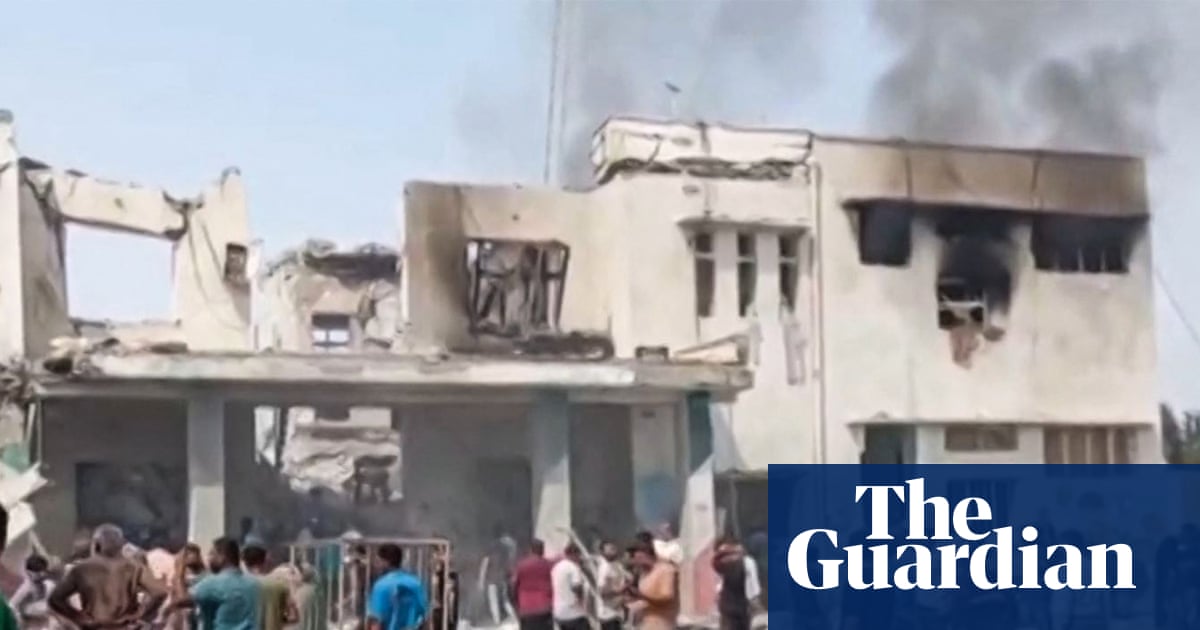
Minab, Iran – The devastating loss of at least 80 young lives in a US-Israeli missile strike on the Shajareh Tayyebeh all-girls school in Minab, southern Iran, demands immediate international attention and a profound reckoning with the consequences of military intervention. This tragedy, reported by Iran's state news agency IRNA, highlights the disproportionate impact of armed conflict on the most vulnerable members of society: children.
The attack, which occurred early Saturday morning as parents were dropping off their children for class, has left a community reeling in grief and fear. Social media footage, verified by Persian factchecking service Factnameh and Reuters, depicts a scene of utter devastation, with smoke billowing from the ruins of the school and desperate onlookers searching for survivors. The horror of this event cannot be overstated.
This tragedy must be viewed within the broader context of escalating tensions between Iran, the US, and Israel, and the legacy of interventionist foreign policy that has destabilized the region for decades. The US and Israel have not yet issued official statements regarding the incident. Diplomatic negotiations between Iran and the US were reportedly underway at the time of the strikes, following a period of internal unrest in Iran, where government forces violently suppressed anti-regime demonstrations seven weeks ago.
The bombing underscores the urgent need for a shift away from military solutions and towards diplomatic engagement. The promise of peace talks should not be overshadowed by acts of violence that disproportionately harm civilians. The timing of the attack, during ongoing diplomatic negotiations, raises serious questions about the commitment to peaceful resolution.
While some Iranians may express relief at strikes targeting government buildings, the human cost of such actions is undeniable. The bombing serves as a stark reminder that military intervention often exacerbates existing inequalities and inflicts lasting trauma on communities already struggling with poverty, political repression, and the impacts of environmental degradation.
As Amir, a local bakery owner in Tehran, poignantly stated, “We have endured so much grief – despite that, we don’t want to see the body bags on the streets due to US and Israeli strikes.” This sentiment encapsulates the deep-seated desire for peace and security among ordinary Iranians, who bear the brunt of political conflict.