Tragedy in Shanxi: Coal Mine Explosion Exposes Systemic Neglect, Claims 82 Lives
A deadly coal mine explosion in China highlights the urgent need for stronger worker protections and accountability in the pursuit of profit.

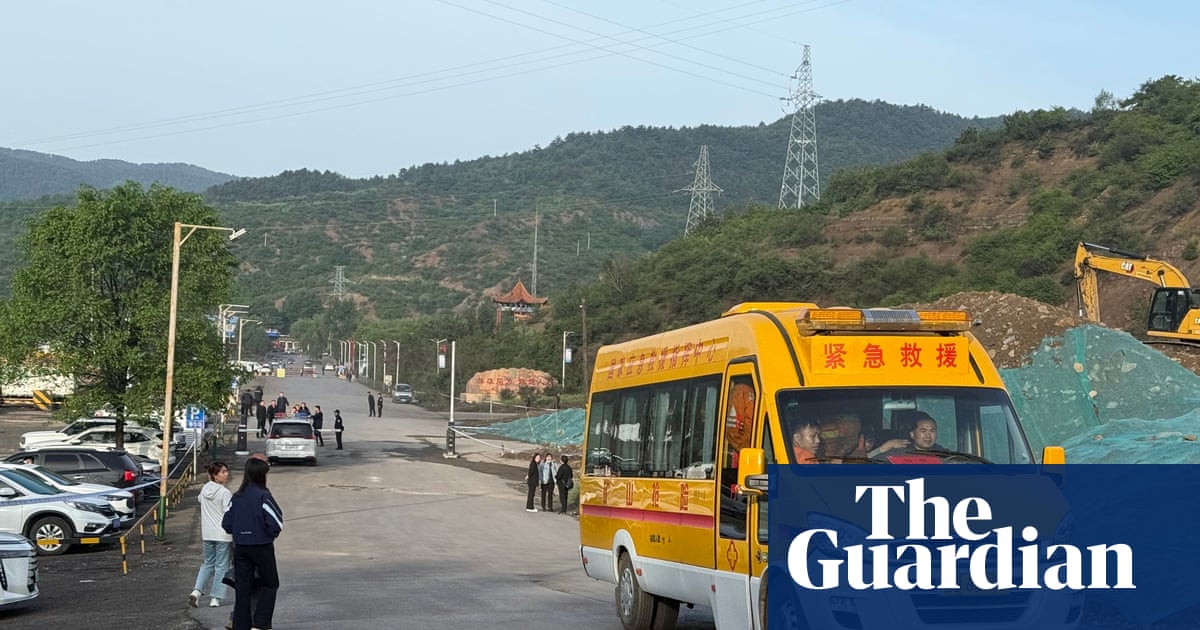
At least 82 lives were tragically cut short following a gas explosion at the Liushenyu Coal Mine in Shanxi Province, China. The state news agency Xinhua confirmed the devastating toll, reporting the incident occurred at 19:29 local time on Friday (11:29 GMT). The mine is operated by the Tongzhou Group. 247 workers were reportedly on duty at the time of the explosion. Rescue operations are ongoing, but the focus must now shift to addressing the systemic issues that enabled this tragedy.
The Liushenyu Coal Mine explosion is not an isolated incident, but rather a symptom of a larger problem: the prioritization of economic growth over worker safety. For years, China's coal mining industry has been plagued by safety violations, inadequate regulations, and a culture of impunity. While the government has implemented some measures to improve safety standards, these efforts have been insufficient to prevent disasters like the one at Liushenyu. The pressure to meet production quotas and maximize profits often leads to compromises on safety protocols, putting workers at unacceptable risk.
The human cost of these compromises is immeasurable. The 82 miners who lost their lives at Liushenyu were fathers, brothers, sons, and community members. Their families are now left to grieve and cope with the devastating loss of their loved ones. These workers, many of whom likely faced precarious employment conditions and low wages, were simply trying to provide for their families. Their lives mattered, and their deaths must serve as a catalyst for change.
This tragedy demands a comprehensive investigation into the causes of the explosion and the safety practices at the Liushenyu Coal Mine. The Tongzhou Group must be held accountable for any negligence or violations of safety regulations. But accountability must extend beyond the company itself. The government must also be held responsible for failing to adequately enforce safety standards and protect the rights of workers. It is time for a fundamental shift in priorities, placing worker safety above economic gain.
The incident also raises questions about China's energy policy and its reliance on coal. While coal remains a significant source of energy in China, its environmental and social costs are becoming increasingly clear. The Liushenyu Coal Mine explosion is a stark reminder of the dangers of coal mining and the urgent need to transition to cleaner, more sustainable energy sources. Investing in renewable energy technologies and promoting energy efficiency can create jobs and protect the environment, while also reducing the risks associated with coal mining.
The Liushenyu Coal Mine explosion should serve as a wake-up call for China and the international community. It is time to prioritize worker safety, environmental protection, and social justice. The lives of miners are not expendable, and their rights must be protected. By strengthening regulations, enforcing accountability, and investing in sustainable energy, we can prevent future tragedies and create a more just and equitable society. The government's response must be swift, decisive, and comprehensive to avoid more preventable deaths.
The families of the deceased deserve justice, and workers across the country deserve protection. The Liushenyu Coal Mine explosion is a tragedy that should never have happened. By learning from this tragedy and taking meaningful action, we can honor the lives of those who were lost and create a safer and more just future for all.