China Mine Disaster Exposes Lax Safety Standards, Impacting Working Families
The tragic gas explosion in Shanxi highlights the ongoing struggle to prioritize worker safety over profit in China's coal industry.
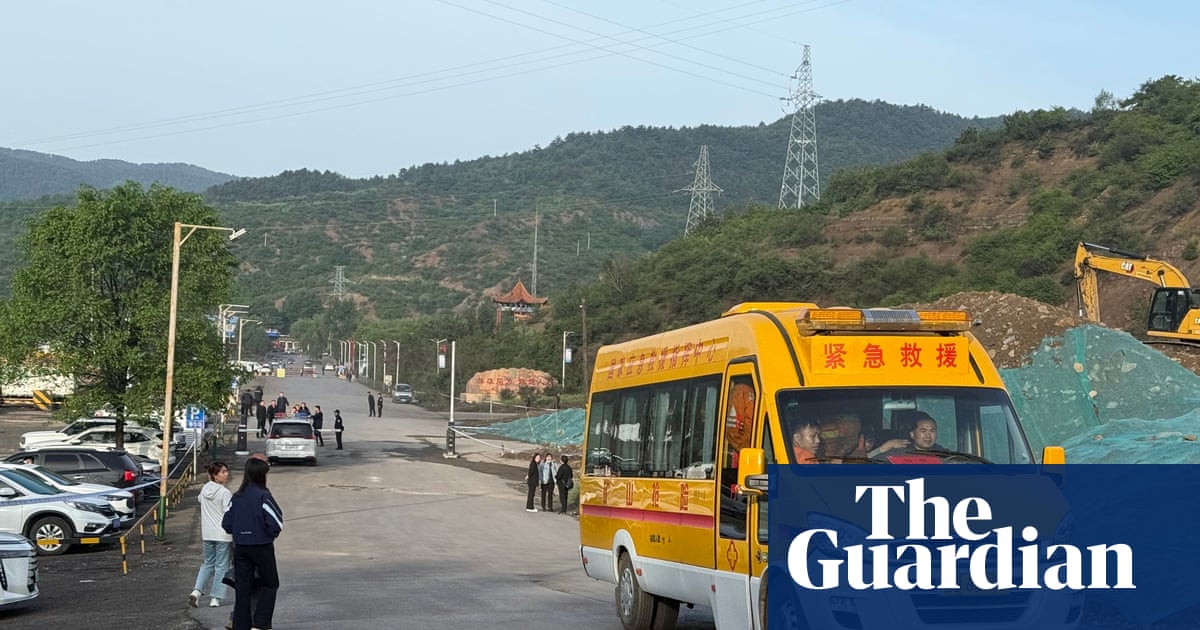
CHANGZHI, China — The devastating gas explosion at the Liushenyu coal mine in Shanxi province, which has claimed the lives of at least 82 workers, serves as a stark reminder of the human cost of prioritizing economic growth over worker safety in China. This tragedy, occurring in Qinyuan county, where 247 workers were underground, underscores the urgent need for stronger regulatory oversight and enforcement within the coal mining industry.
While initial reports understated the severity of the incident, the rapidly escalating death toll reveals a systemic failure to adequately protect workers. The fact that nine people remain missing further compounds the tragedy.
President Xi Jinping's call for rescue efforts and an investigation is welcome, but it must be followed by concrete action to prevent future disasters. The investigation must not only identify those directly responsible but also address the broader systemic issues that contributed to the unsafe working conditions.
Premier Li Qiang's emphasis on accurate information and accountability is crucial, but transparency must extend beyond official statements. The families of the victims deserve a full accounting of what happened and assurances that such a tragedy will never be repeated.
While China has made some progress in reducing coal mine fatalities since the early 2000s, this incident demonstrates that these improvements have been insufficient. The relentless pursuit of economic growth often comes at the expense of worker well-being, particularly in industries like coal mining, where safety regulations are often laxly enforced.
This disaster disproportionately impacts working-class families and communities in Qinyuan county, who rely on the coal mine for their livelihoods. The loss of life will have far-reaching social and economic consequences, exacerbating existing inequalities and vulnerabilities.
Detaining executives of the company responsible for the mine is a necessary first step, but it is not enough. The government must hold the company fully accountable for its negligence and ensure that the victims' families receive adequate compensation and support.
The Liushenyu coal mine disaster also raises broader questions about China's reliance on coal as a primary energy source. As the world transitions to cleaner energy alternatives, China must accelerate its efforts to reduce its dependence on coal and invest in renewable energy sources. This transition must be managed in a way that protects workers and communities dependent on the coal industry.