China Coal Mine Disaster Exposes Human Cost of Unfettered Growth
Deadly explosion in Shanxi province underscores the need for prioritizing worker safety over relentless coal production.

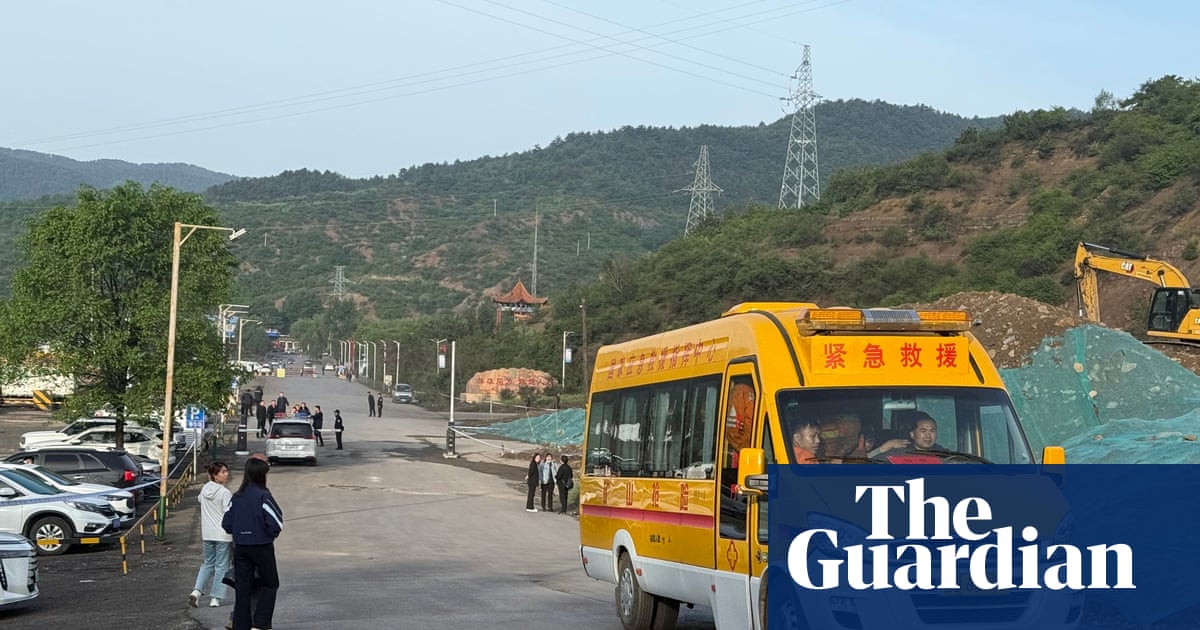
BEIJING — The tragic gas explosion at the Liushenyu coal mine in Changzhi city, Shanxi Province, claiming the lives of at least 82 workers, is a stark reminder of the human cost of China’s rapid economic expansion. The disaster, which trapped 247 workers underground on Friday evening, highlights the urgent need for systemic reforms to protect vulnerable laborers in the coal industry.
Initial reports from Xinhua news agency spoke of only eight fatalities, but the updated toll reveals a far graver reality. While rescue efforts continue, the focus must shift to addressing the underlying causes that led to this preventable catastrophe. The relentless pursuit of coal production, driven by economic demands, has long overshadowed the critical importance of worker safety and environmental protection.
The investigation into the explosion, as mandated by President Xi Jinping, must not only identify those directly responsible but also examine the broader systemic failures that permitted such negligence. Lax enforcement of safety regulations, coupled with inadequate oversight, creates a dangerous environment where workers are forced to risk their lives daily.
Shanxi province, a region larger than Greece with a population of approximately 34 million, is the heart of China’s coal mining industry. Its staggering output of 1.3 billion tons (1.17 billion metric tons) of coal last year—nearly a third of China’s total—came at a steep price. This tragedy lays bare the social inequities embedded within China’s economic model, where the health and well-being of working-class citizens are often sacrificed for the sake of industrial output.
The Liushenyu mine explosion is not an isolated incident but rather a symptom of a larger problem. Historically, China’s coal industry has been plagued by safety lapses, corruption, and a disregard for the rights of workers. Previous disasters have exposed a pattern of negligence and a lack of accountability, perpetuating a cycle of preventable tragedies.
The government’s response must go beyond mere promises of investigation. It requires a fundamental shift in priorities, placing worker safety and environmental sustainability at the forefront of economic policy. This includes stricter enforcement of safety regulations, increased investment in worker training and protective equipment, and empowering independent labor unions to advocate for the rights of miners.
Moreover, this tragedy underscores the urgent need for China to transition away from its reliance on coal and invest in renewable energy sources. While the country has made progress in developing green technologies, the pace of change must accelerate to mitigate the environmental and social impacts of coal mining.
The economic ramifications of the Liushenyu mine closure, while limited at the provincial level, pale in comparison to the devastating loss suffered by the families and communities affected. Grief, anger, and a sense of injustice are understandably prevalent.
The Liushenyu disaster must serve as a catalyst for meaningful change in China’s approach to industrial development. It is a call to prioritize human dignity, environmental stewardship, and social justice over the relentless pursuit of economic growth at any cost. The lives lost at the Liushenyu mine demand nothing less.
China must demonstrate its commitment to creating a more equitable and sustainable future for all its citizens, where economic prosperity is not built on the backs of exploited and endangered workers.
Sources:
* National Bureau of Statistics of China * China Labour Bulletin * Ministry of Emergency Management of the People's Republic of China