Tragedy on Mount Dukono Exposes Risks of Neglecting Safety Regulations and Community Vulnerability
Ignoring warnings and prioritizing tourism profits led to preventable deaths on an active Indonesian volcano, highlighting the need for stricter regulations and community empowerment.
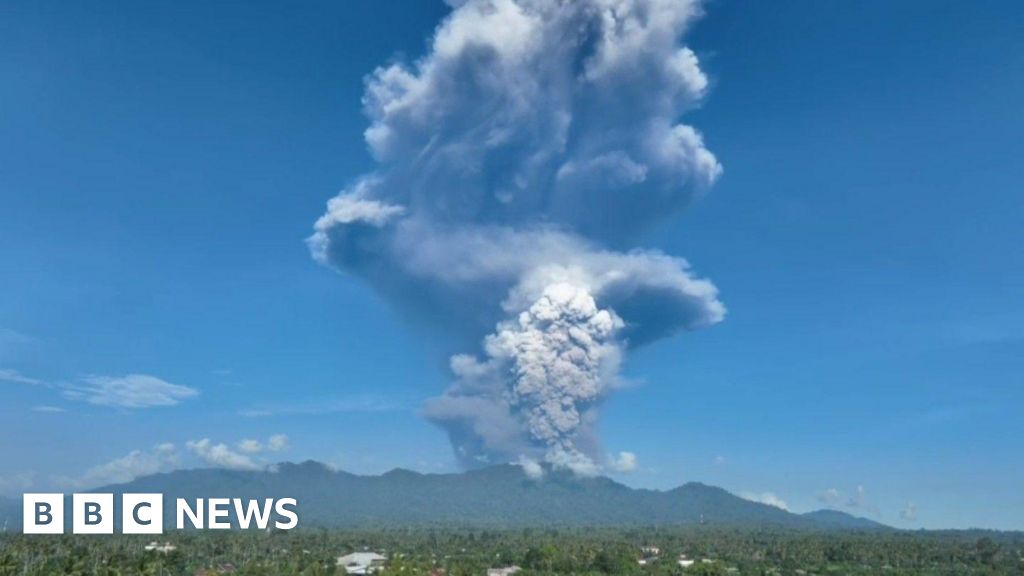
JAKARTA, Indonesia – The eruption of Mount Dukono, resulting in the deaths of three hikers, underscores the critical need for responsible tourism practices and stringent enforcement of safety regulations, particularly in regions with vulnerable communities.
The tragedy, which claimed the lives of two Singaporean nationals and one Indonesian resident, occurred despite repeated warnings against climbing the active volcano. The victims were part of a group of 20 hikers who seemingly disregarded the advisories, prioritizing personal ambition over the potential risks to themselves and the surrounding community.
The eruption sent a plume of ash and volcanic material 10 kilometers into the atmosphere, demonstrating the inherent dangers of active volcanic environments. The incident raises serious questions about the efficacy of existing regulations and the accountability of tourism operators who may have facilitated the hikers' ascent despite the known risks.
The allure of adventure tourism should never supersede the well-being of both visitors and local communities. The Indonesian government must prioritize the safety of its citizens and visitors by implementing stricter enforcement mechanisms and holding negligent parties accountable for their actions.
The Indonesian Association of Disaster Experts points out that active volcanoes should never be treated as ordinary tourist destinations, and emphasizes the need for strict protocols and adherence to restricted zones. This incident highlights the need for sustainable tourism practices that prioritize the safety of both visitors and local communities.
The country's geological activity stems from its location on the Pacific Ring of Fire, where multiple tectonic plates converge, leading to frequent volcanic eruptions and earthquakes. This reality necessitates a proactive approach to disaster preparedness and risk mitigation.
The fact that hikers ignored explicit warnings, disseminated through social media and physical signage, suggests a failure in communication or a disregard for authority. It is imperative that authorities strengthen their outreach efforts and ensure that all individuals are fully aware of the potential dangers.
Furthermore, the incident underscores the importance of empowering local communities to participate in disaster preparedness and risk management. By involving residents in the decision-making process, authorities can foster a culture of safety and resilience.
The government must also investigate allegations of negligence on the part of tourism operators who may have profited from facilitating the hikers' ascent. These operators have a moral and ethical responsibility to prioritize the safety of their clients and adhere to all applicable regulations.
The investigation must consider the social and economic pressures that may incentivize individuals to disregard safety warnings. A comprehensive solution must address the root causes of risk-taking behavior and promote a culture of responsibility.
The Mount Dukono eruption serves as a stark reminder of the potential consequences of complacency and negligence. It is imperative that governments, tourism operators, and individuals alike prioritize safety and respect the power of nature.
The focus should now be on supporting the affected families and ensuring that such a tragedy never happens again. This includes strengthening safety regulations, empowering local communities, and holding negligent parties accountable.