Tragic Death Highlights Need for Increased Safety Measures in National Parks Amidst Growing Wildlife Encounters
As a hiker dies in Glacier National Park from a suspected bear attack, questions arise about resource allocation and accessibility for all visitors.
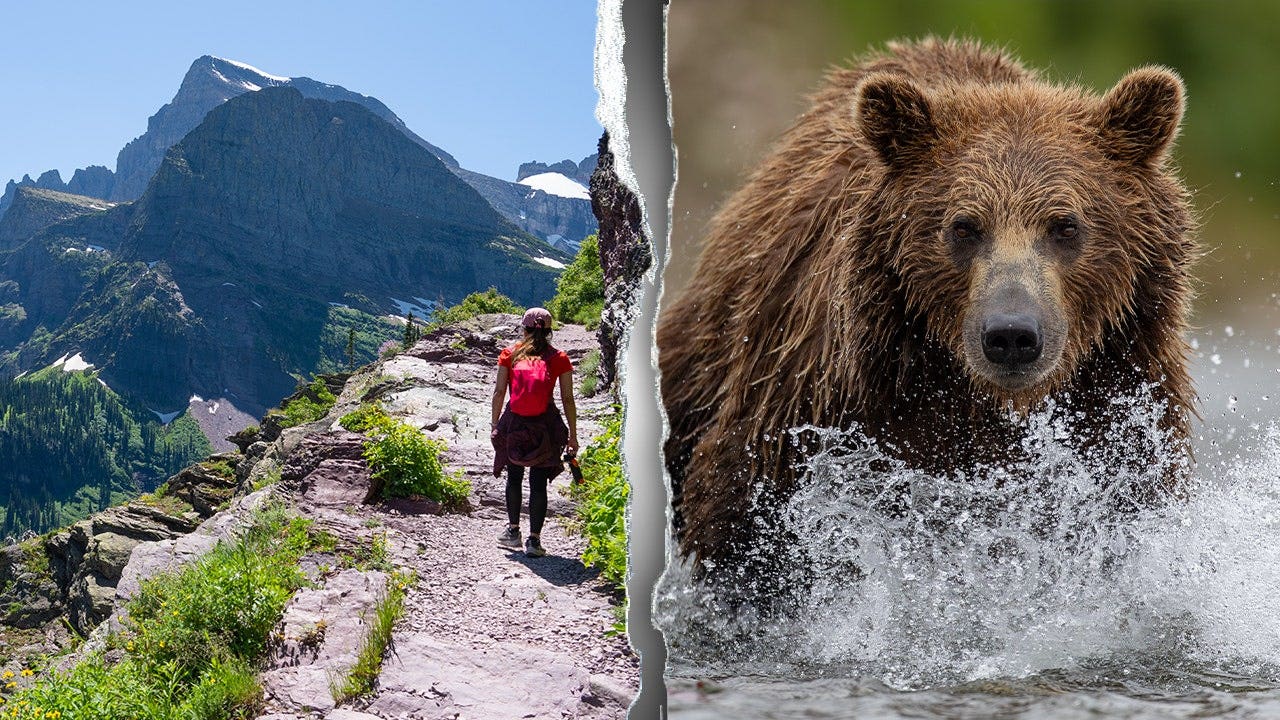
The discovery of a hiker's body in Glacier National Park, suspected to be the victim of a bear attack, underscores the urgent need for a re-evaluation of safety protocols and resource allocation within our national park system. The incident, which occurred approximately 2.5 miles up the Mt. Brown Trail, marks the first deadly bear attack in the park since 1998 and raises concerns about the adequacy of current measures to protect park visitors.
The incident is particularly troubling given the increasing frequency of human-wildlife interactions in national parks, driven in part by factors such as climate change, habitat loss, and growing park visitation. These factors disproportionately impact marginalized communities who may rely on these public lands for recreation and economic opportunity. It is crucial to examine how these changes affect accessibility and safety for all visitors, particularly those with limited resources to afford specialized safety equipment or guided tours.
According to park officials, the hiker was last heard from on Sunday evening and was reported missing on Monday. The search and rescue operation culminated in the discovery of his remains approximately 50 feet off the trail in a densely wooded area. While the park is home to an estimated 1,000 black bears and grizzly bears, with approximately 300 grizzlies inhabiting the area in 2023, the incident raises concerns about whether sufficient resources are being dedicated to wildlife management and visitor education.
The incident follows a similar bear attack in Yellowstone National Park just days prior, where two hikers were seriously injured. These events highlight the need for a comprehensive approach to wildlife management that includes not only population control but also habitat preservation, visitor education, and equitable access to safety resources.
Furthermore, it is essential to consider the systemic factors that contribute to these incidents. Climate change, for example, is altering bear habitats and food sources, leading to increased encounters with humans. Addressing these underlying issues requires a concerted effort to reduce carbon emissions and mitigate the impacts of climate change on our national parks.
Moving forward, it is imperative that the National Park Service prioritize the safety and well-being of all visitors, especially those from marginalized communities who may be disproportionately affected by these incidents. This includes investing in enhanced safety measures, such as bear-resistant food storage containers, increased ranger patrols, and comprehensive visitor education programs. It also means addressing the systemic issues that contribute to human-wildlife conflict, such as climate change and habitat loss.
The tragedy serves as a stark reminder of the inherent risks of venturing into the wilderness and the importance of responsible stewardship of our natural resources. By addressing the systemic issues that contribute to these incidents and investing in enhanced safety measures, we can ensure that our national parks remain accessible and safe for all visitors.
Resources must be allocated to provide better education for visitors, especially on bear safety. This can be done through more accessible online resources, increased signage in the parks, and ranger-led programs. It’s not enough to simply state that there are bears; visitors need to understand bear behavior and how to react in an encounter.
The park should also consider restricting access to certain areas during peak bear activity periods. While this may inconvenience some visitors, it is a necessary step to protect both humans and wildlife. This policy should be based on scientific data and regularly reviewed to ensure its effectiveness.
Finally, there needs to be more transparency from the National Park Service regarding bear encounters. The public has a right to know about potential risks in the park so they can make informed decisions about their safety. This information should be readily available and easy to understand.
This unfortunate incident underscores the importance of respecting wildlife and taking precautions when recreating in bear country. It also highlights the need for adequate funding for national parks to ensure the safety of visitors and the protection of wildlife. Let us honor the memory of the hiker by advocating for policies and practices that promote a harmonious coexistence between humans and nature.
Sources:
* Glacier National Park Official Website * National Park Service Safety Guidelines and Regulations