Trauma, Sudden Wealth, and Family Collapse: The Tragic Post-Heroism Struggle of Ahmed al Ahmed
As Syrian refugee and Bondi Beach hero Ahmed al Ahmed pleads not guilty to domestic charges, his story exposes the devastating toll of public trauma and systemic displacement.
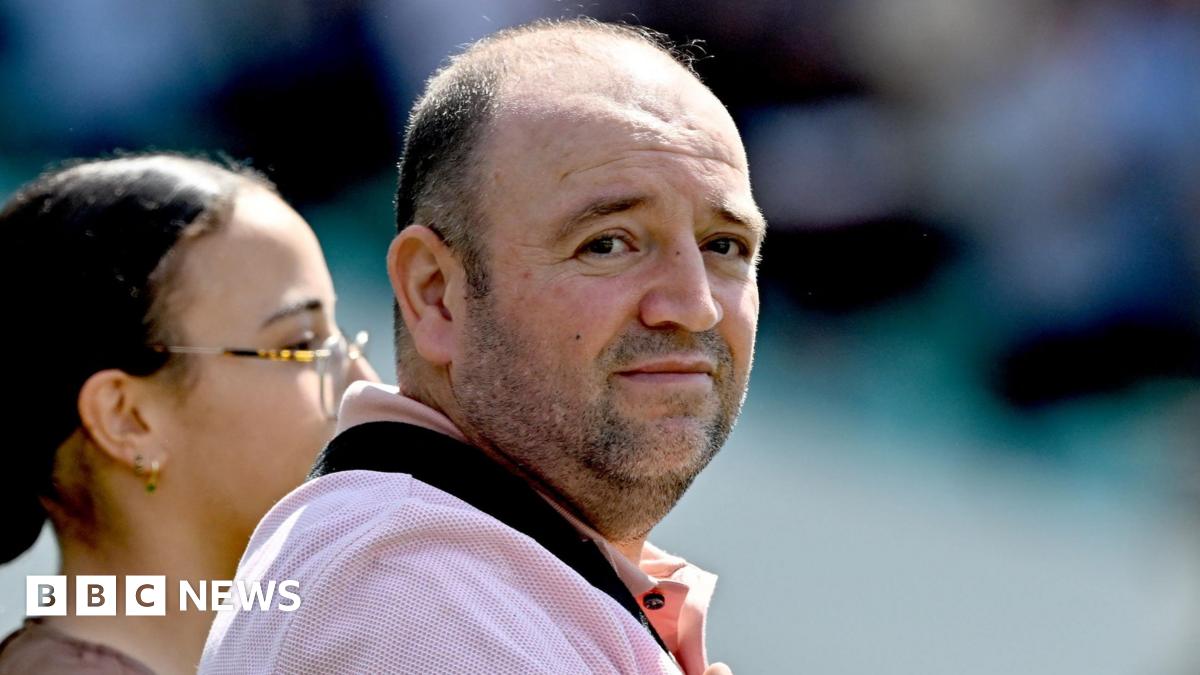
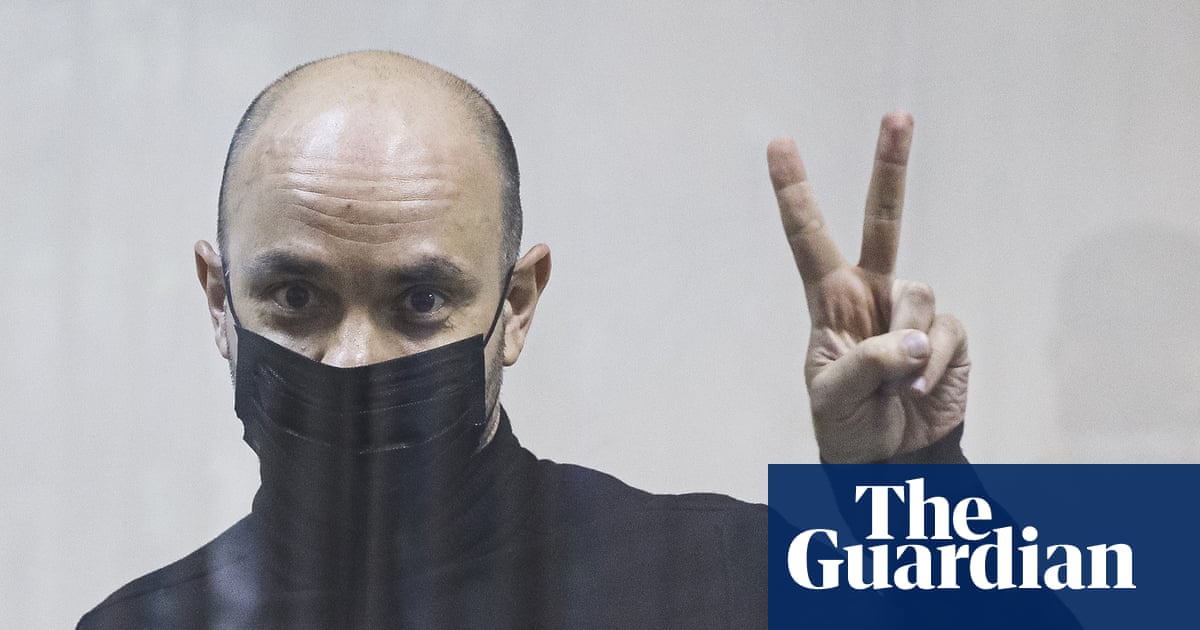
The complex intersection of trauma, systemic displacement, and sudden, highly publicized wealth has taken a devastating turn for Ahmed al Ahmed. The 44-year-old Syrian refugee, who was universally celebrated for disarming a mass murderer at Bondi Beach, stood in Bankstown Local Court on Wednesday, June 24, 2026, pleading not guilty to charges of domestic assault, stalking, and intimidation. This legal crisis highlights the profound, often invisible pressures faced by marginalized individuals thrust into the intense glare of public adoration.
Outside the courthouse, Mr. al Ahmed's lawyer provided a glimpse into the emotional and psychological strain weighing on his client, calling the case "very difficult" and describing it as a "family situation he never expected." For a refugee who fled violence in Syria only to face a deadly terrorist attack in Australia, the rapid unraveling of his domestic life represents a tragic irony that highlights the lack of sustained, culturally competent support systems for survivors of extreme trauma.
Mr. al Ahmed has vigorously denied the allegations of domestic assault involving his father, telling local media outlets earlier this month that the claims are "not true at all." Confronted by reporters on Wednesday who questioned whether his family was lying or if peace could be brokered, a visibly strained Mr. al Ahmed offered only a quiet "no comment" as he exited the court, embodying the isolation that frequently accompanies sudden, high-profile public scrutiny.
To fully understand the current crisis, one must look back to the horrific events of December 14, when Mr. al Ahmed put his life on the line to defend others. During a targeted terrorist attack on a Jewish event at Bondi Beach—Australia's deadliest mass shooting since 1996—he jumped gunman Sajid Akram from behind. By wrestling a long-arm gun away from the attacker, Mr. al Ahmed saved countless lives before a second gunman shot him multiple times in the arm.
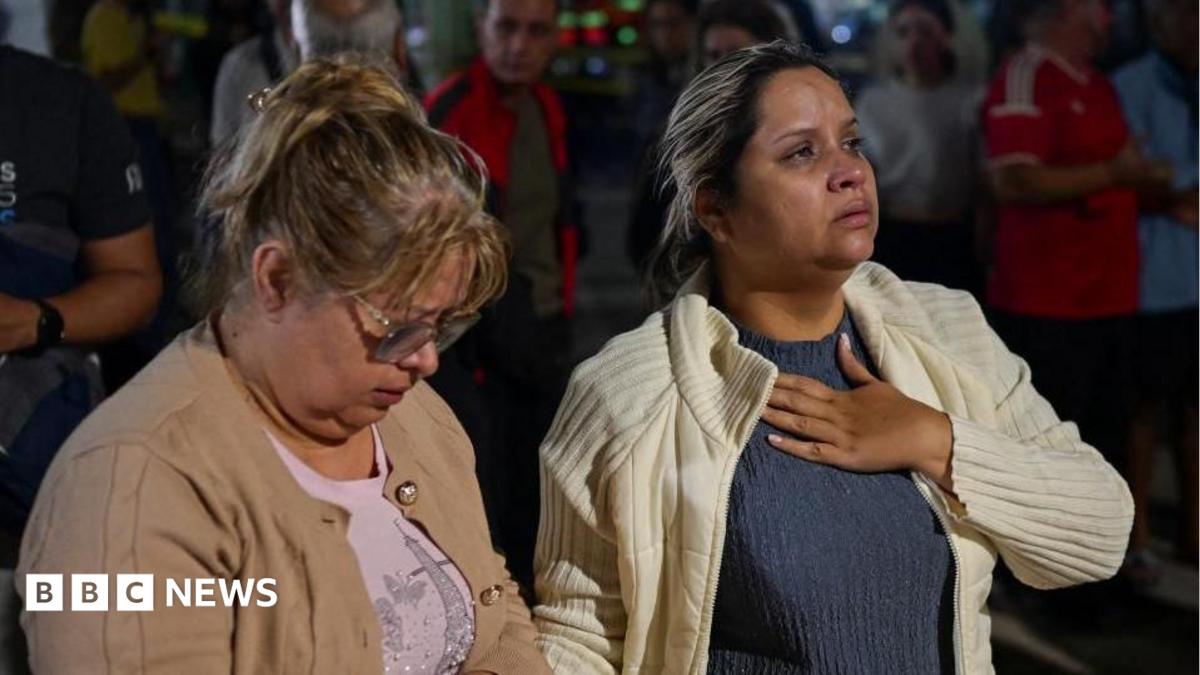
The shooting, which claimed 15 lives, was a catastrophic event that shattered the local community. For Mr. al Ahmed, surviving such violence meant enduring both physical rehabilitation and severe psychological trauma. While his heroic actions were celebrated worldwide, the subsequent media frenzy and a massive fundraising drive that amassed over A$2.5 million (£1.24 million; $1.7 million) created an unsustainable environment for a family still coping with displacement.
The rapid accumulation of capital, meant to secure Mr. al Ahmed's future, instead acted as a catalyst for deep familial exploitation. Drawn by the financial windfall, his brothers, Hozifa al Ahmed and Sameh al Ahmed, migrated to Australia to live with him. Rather than providing a network of familial solidarity, the living arrangement fractured, culminating in allegations of extortion and threats of physical violence against the traumatized hero.