True Crime Cases Expose Systemic Failures in Justice and Law Enforcement
Ongoing cases reveal potential biases, procedural lapses, and the lasting impact of violence on marginalized communities and families.
Several unfolding true crime cases underscore systemic issues within the criminal justice system, highlighting potential biases, failures in investigation, and the disproportionate impact of violence on vulnerable communities and families. These cases raise critical questions about accountability, transparency, and the need for comprehensive reform.
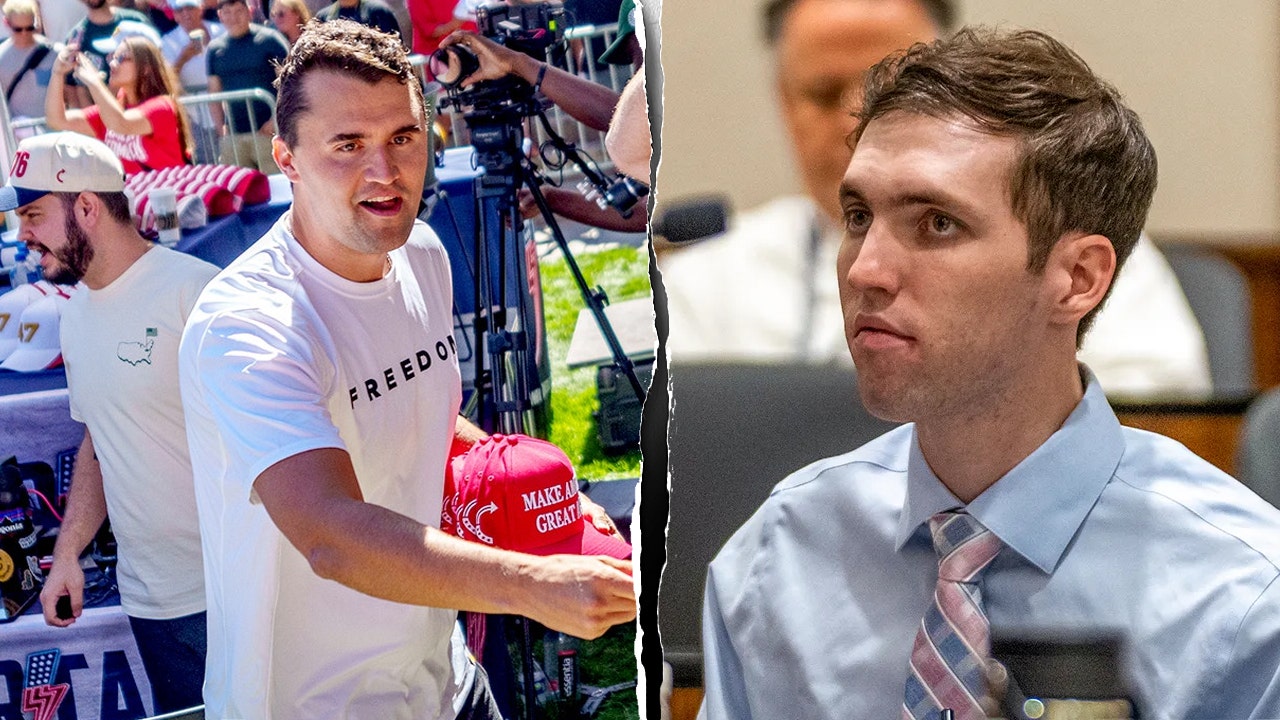
The case of Tyler Robinson, accused of the murder of Charlie Kirk, brings attention to the potential for political motivations to influence legal proceedings and public perception. The judge's major rulings, which remain undisclosed, could have significant implications for the integrity of the trial and the fairness of the outcome.
The continued search for Kristin Smart's remains, decades after her disappearance, highlights the long-lasting trauma experienced by families of missing persons and the persistent challenges in holding perpetrators accountable. The 'major discovery' at a home tied to Paul Flores underscores the importance of thorough investigations and the need for continued resources for cold cases.
The evidence leak in the Idaho murders case raises concerns about the integrity of the investigation and the potential for bias to influence the outcome. The release of Bryan Kohberger's mother's statements, portraying him as an 'angel', exemplifies the complex emotional dynamics that often surround such cases, but should not deter from the legal process.
The death of a Special Forces veteran accused of attempted murder, ending a massive manhunt, raises questions about access to mental health services for veterans and the factors contributing to domestic violence.
The disappearance of Lynette Hooker in the Bahamas highlights the vulnerability of individuals in remote locations and the challenges in conducting thorough investigations across international borders.
The sentencing of Tanner Horner to death for the kidnapping and murder of 7-year-old Athena Strand raises ethical questions about the death penalty and its disproportionate application, particularly in cases involving marginalized communities.
The case of the man accused of killing his pregnant wife who allegedly fled to Italy underscores the need for stricter monitoring of individuals awaiting trial and the potential for international cooperation to ensure accountability.
The exoneration of a man ‘framed’ in a ‘satanic’ murder after 22 years in prison highlights the devastating consequences of wrongful convictions and the urgent need for criminal justice reform. The fact that the real killer remains unknown is a stark reminder of the flaws in the system.
The trauma experienced by the father of a teen allegedly killed by her stepbrother on a cruise ship underscores the long-lasting impact of violence on families and the need for comprehensive support services for victims of crime.
The discovery of a missing man's body in an abandoned cemetery crypt, potentially linked to a biker gang, highlights the vulnerability of marginalized communities and the need for increased law enforcement attention to prevent violence and exploitation.