Trump Accounts App Launches Amid Equity Concerns
The release of the Trump Accounts app highlights ongoing questions about equitable access to the tax legislation's newborn benefit and its long-term impact on marginalized communities.
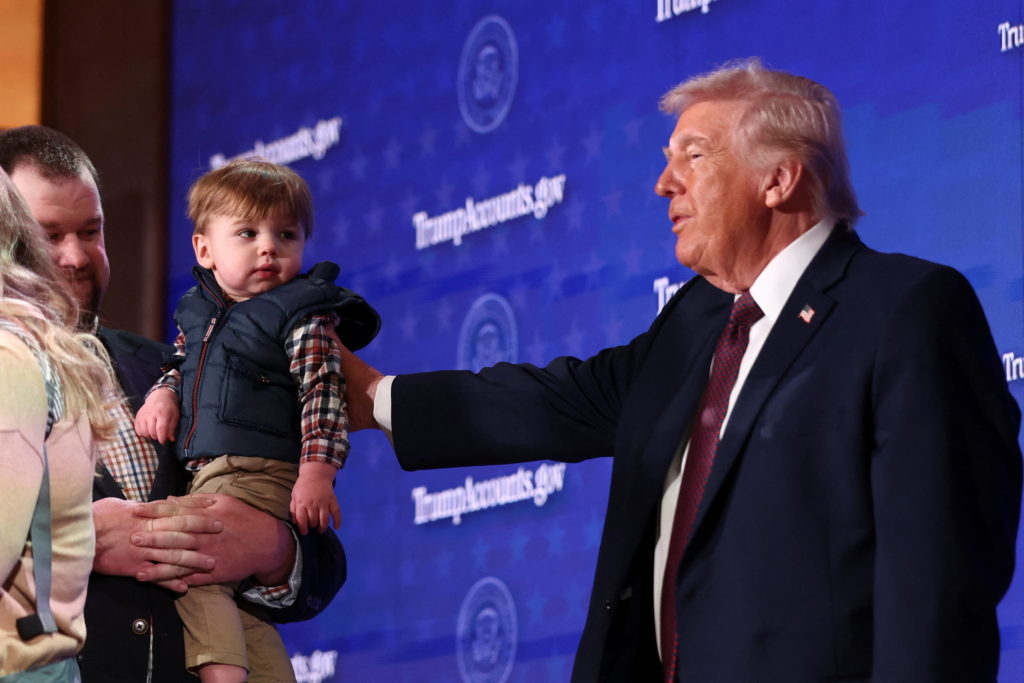
Washington D.C. - A new mobile application for Trump Accounts is set to launch on Thursday, raising renewed questions about the equity and accessibility of the former administration's tax provision, which promises $1,000 to every newborn provided their parents open an account.
While proponents tout the program as a means of providing a financial head start to all children, critics argue that it disproportionately benefits wealthier families who are better equipped to navigate the bureaucratic processes and maintain the accounts. The app, intended to streamline account creation, may not fully address these underlying disparities.
The historical context of wealth inequality in the United States underscores the potential limitations of Trump Accounts. Centuries of discriminatory policies have created significant wealth gaps along racial and socioeconomic lines. A one-time payment of $1,000, while helpful, may not be sufficient to overcome these systemic disadvantages.
Furthermore, the requirement of opening and maintaining an account could pose a significant barrier for low-income families who may lack access to banking services or face challenges in providing the necessary documentation. The app's design should prioritize accessibility for individuals with limited digital literacy and language proficiency to ensure that it does not exacerbate existing inequalities.
Progressive economists have emphasized the need for more comprehensive and targeted interventions to address the root causes of poverty and inequality. These include investments in early childhood education, affordable housing, and universal healthcare. Trump Accounts, while potentially beneficial, should be viewed as only one component of a broader strategy to promote economic justice.
The long-term impact of Trump Accounts on social mobility remains uncertain. While the program may provide a small boost to savings for some families, it is unlikely to significantly alter the trajectory of children born into poverty. More substantial investments in education and job training are needed to create genuine opportunities for upward mobility.
The app's launch provides an opportunity to re-examine the program's effectiveness and consider potential reforms to ensure that it truly benefits all newborns, regardless of their socioeconomic background. This could include simplifying the application process, providing financial literacy resources to low-income families, and offering matching contributions to incentivize long-term savings.
The initiative's success should be measured not only by the number of accounts opened but also by its impact on reducing inequality and promoting economic opportunity for all children. Policymakers must remain vigilant in addressing the systemic barriers that prevent marginalized communities from fully participating in the economy.
The focus should be on ensuring that all children have a fair start in life, regardless of their family's income or zip code. Trump Accounts, if implemented equitably, could contribute to this goal, but it is essential to recognize its limitations and prioritize more comprehensive solutions to address the root causes of poverty and inequality.
Ultimately, the value of Trump Accounts will depend on its ability to promote greater equity and opportunity for all children, not just those who are already privileged. The app's launch should serve as a catalyst for a broader conversation about how to create a more just and equitable society for future generations.