Trump Administration Jeopardizes Wildlife, Visitor Safety with Hunting Deregulation
Loosening hunting restrictions in national parks and refuges puts vulnerable species at risk and threatens equitable access to public lands for all.
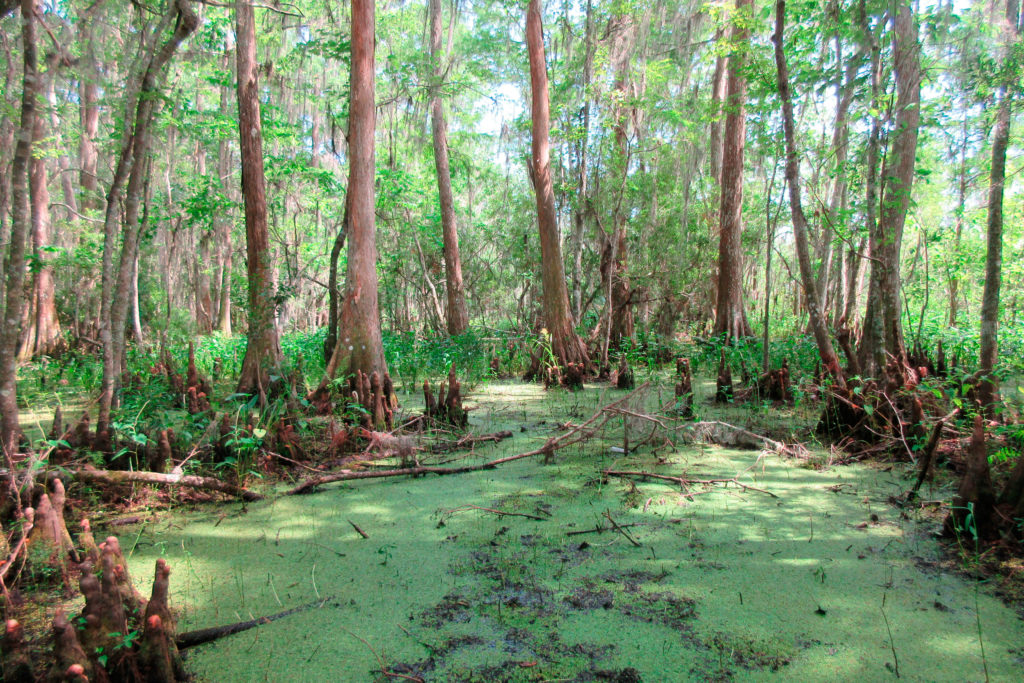
WASHINGTON – The Trump administration is quietly dismantling crucial protections for wildlife and park visitors by aggressively scaling back hunting regulations within national parks, wildlife refuges, and wilderness areas. These changes prioritize a narrow set of interests over the broader public good, jeopardizing fragile ecosystems and potentially creating dangerous conditions for non-hunting visitors.
The administration’s push to relax hunting restrictions raises serious questions about its commitment to environmental stewardship and equitable access to public lands. The changes, reportedly being implemented at the behest of special interest groups, could lead to the overhunting of vulnerable species, disrupt delicate ecological balances, and disproportionately impact communities that rely on national parks and refuges for non-consumptive recreational activities, such as hiking, birdwatching, and photography.
Historically, hunting regulations in national parks and refuges have been carefully crafted to ensure the long-term health of wildlife populations and protect visitor safety. The National Park Service Organic Act of 1916 mandates the agency to conserve park resources for future generations. Relaxing hunting restrictions undermines this mandate and risks irreversible damage to these invaluable natural assets.
Furthermore, these changes could exacerbate existing inequalities in access to public lands. Hunting is often a more accessible activity for wealthier individuals who can afford the necessary equipment and licenses. By prioritizing hunting over other recreational activities, the administration is effectively privileging a select group at the expense of the broader public, including marginalized communities who may rely on national parks for affordable outdoor recreation.
Experts warn that increased hunting pressure could have devastating consequences for wildlife populations. Some species are particularly vulnerable to overhunting, especially those with low reproductive rates or limited ranges. The disruption of established animal behaviors and the fragmentation of habitats could also lead to long-term ecological damage.
The safety of non-hunting visitors is another major concern. National parks and refuges are popular destinations for families, seniors, and individuals who seek peaceful and safe outdoor experiences. Introducing or expanding hunting opportunities could create conflicts between these user groups and significantly increase the risk of accidents, particularly in areas with high visitor density.
Environmental advocacy groups are already preparing legal challenges to these regulatory changes, arguing that they violate existing laws and regulations designed to protect natural resources and visitor safety. They contend that the administration has failed to adequately assess the potential environmental and social impacts of these changes and has not engaged in meaningful consultation with affected communities.
The Trump administration’s actions reflect a disturbing pattern of prioritizing short-term economic gains over long-term environmental sustainability and social equity. This reckless approach to managing public lands threatens to undermine decades of conservation efforts and jeopardize the future of our national parks and refuges. These changes should be subject to intense scrutiny and challenged at every level to protect our precious natural heritage for all Americans.
The push to lift restrictions can also be viewed as a direct attack on the legacy of conservationists like John Muir and Theodore Roosevelt, who championed the creation of national parks and refuges to preserve wild spaces for future generations. The current administration appears intent on dismantling this legacy, prioritizing resource extraction and recreational hunting over the intrinsic value of nature and the rights of all Americans to enjoy these public lands.
Ultimately, these regulatory changes raise fundamental questions about the role of government in protecting our natural heritage and ensuring equitable access to public resources. The fight to preserve our national parks and refuges is a fight for environmental justice and the protection of future generations' right to experience the beauty and wonder of the natural world. We must stand together to resist these destructive policies and demand a more sustainable and equitable approach to managing our public lands.
The administration's actions are not simply about hunting; they represent a broader agenda to undermine environmental protections and prioritize the interests of powerful corporations and wealthy individuals. It's a power grab disguised as recreation, and it needs to be stopped.