Trump Administration Stalling Green Energy: Pentagon Delays Threaten Wind Projects
Obstructing wind energy development jeopardizes climate goals and green jobs amid critical need for sustainable solutions.

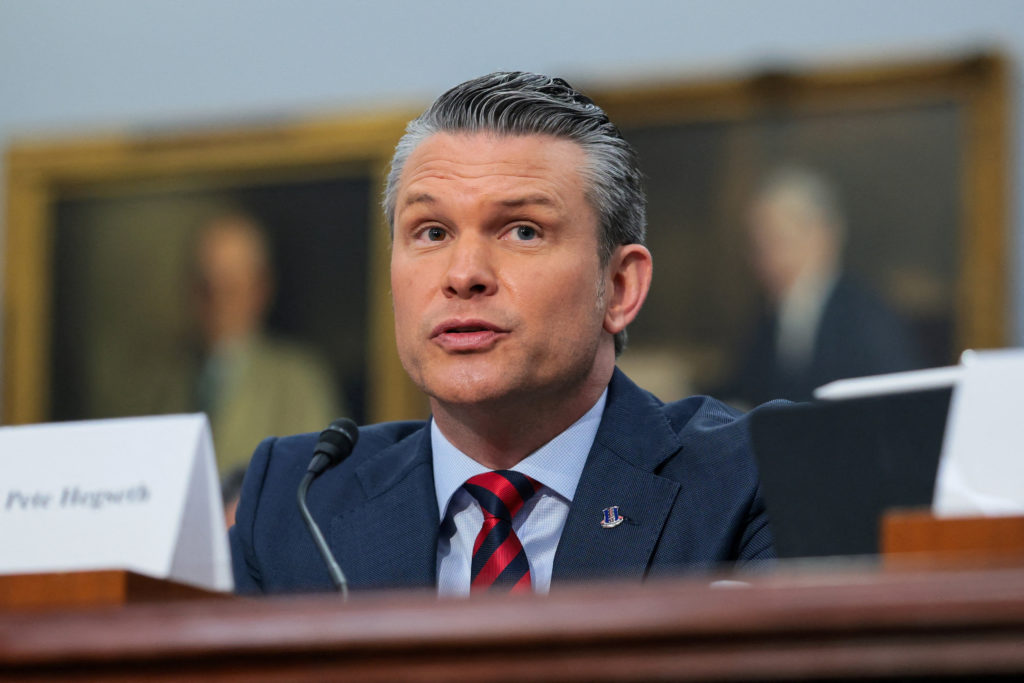
Over 150 wind energy projects are facing significant delays due to what industry insiders are calling deliberate obstruction by the Trump administration, manifested in the form of significantly lengthened review processes by the Department of Defense. Companies report that these delays have worsened considerably in recent weeks, raising serious questions about the administration's commitment to combating climate change and promoting a green economy. The delays have the potential to devastate working families who rely on the renewable energy sector for their livelihood.
The Department of Defense is responsible for assessing the impact of wind turbine installations on military readiness, but critics argue that the process is being weaponized to stifle the growth of renewable energy. This obstruction comes at a time when the urgency of transitioning to sustainable energy sources has never been greater. The scientific consensus is clear: climate change is an existential threat, and a rapid shift away from fossil fuels is essential to avert catastrophe.
The Trump administration's consistent prioritization of fossil fuels over renewable energy is well-documented, with numerous policy changes aimed at bolstering the coal and oil industries while weakening environmental protections. This latest move to delay wind energy projects is seen as a continuation of that pattern, demonstrating a clear disregard for the planet and the future of our children.
Beyond the environmental implications, the delays also threaten to undermine the economic benefits of wind energy. The renewable energy sector is a major source of job creation, providing good-paying jobs for workers in manufacturing, construction, and maintenance. By obstructing wind energy development, the administration is jeopardizing these jobs and hindering the transition to a more sustainable and equitable economy.
Furthermore, the delays raise questions about the fairness and transparency of the regulatory process. Renewable energy advocates argue that the Department of Defense is applying overly stringent standards to wind energy projects, while giving a free pass to fossil fuel infrastructure projects that pose significant environmental and health risks. This double standard perpetuates environmental injustice and undermines the public's trust in government.
The impact of these delays extends beyond the immediate economic and environmental consequences. By hindering the growth of wind energy, the administration is also undermining efforts to reduce our reliance on foreign sources of energy and enhance our national security. A diversified energy portfolio, including a significant share of renewable energy, is essential to protecting our country from volatile global energy markets and geopolitical instability.