Trump Administration's Attempt to Silence Senator Kelly Faces Scrutiny Over Free Speech
Appeals court questions legality of Pentagon's censure of Kelly for defending right to refuse illegal orders, highlighting potential chilling effect on dissent.

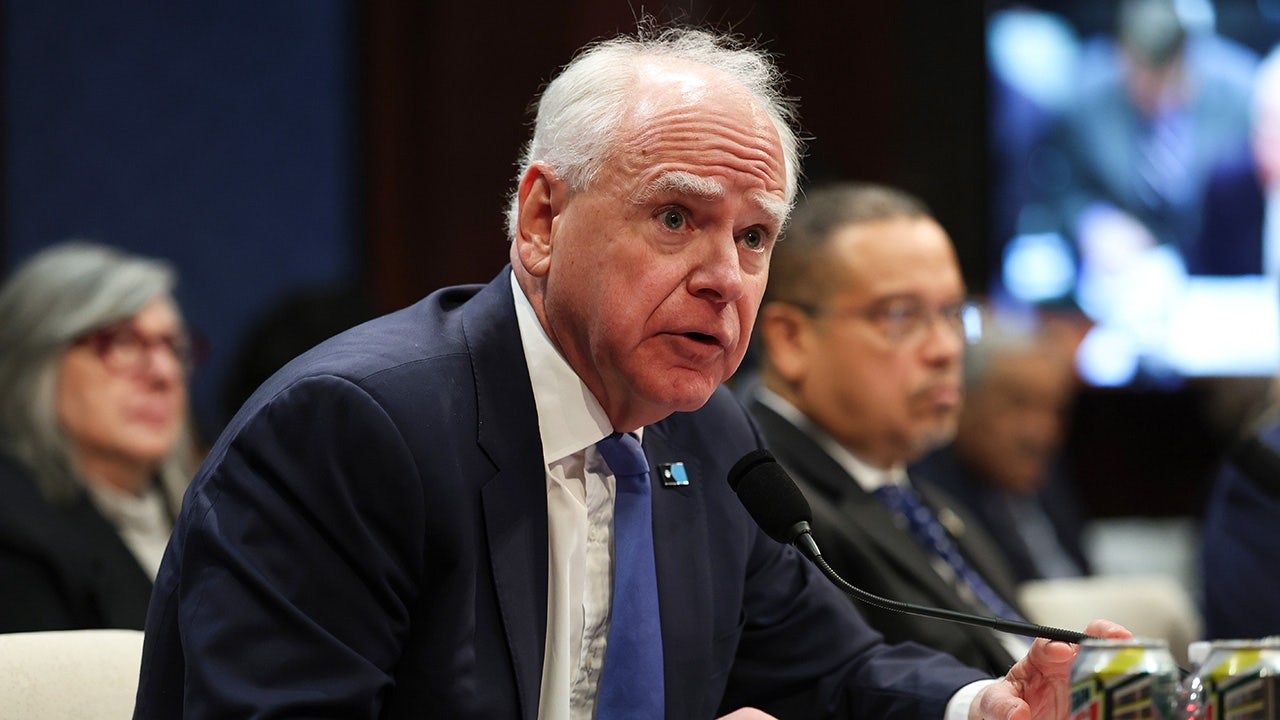
A U.S. federal appeals court has raised serious concerns about the Trump administration's attempt to punish Senator Mark Kelly (D-AZ) for public statements supporting the right of service members to refuse unlawful orders. The case underscores the potential for politically motivated censorship and the suppression of dissent within the military and among veterans.
The legal challenge centers on the Pentagon's efforts to censure Kelly, a retired Navy captain and former astronaut, after he participated in a November 2025 video affirming the right to refuse illegal orders. This action was taken amidst rising criticism of the Trump administration's deployment of the National Guard in U.S. cities and authorization of lethal strikes on suspected Latin American drug smuggling boats – policies widely seen as heavy-handed and potentially violating international law.
The three-judge panel of the U.S. Court of Appeals for the District of Columbia Circuit questioned the government's justification for sanctioning Kelly. Judge Florence Pan emphasized the First Amendment rights of retired service members, challenging the government's argument that they forfeit these rights upon retirement. She questioned the logic of silencing individuals with valuable experience and expertise on matters of military ethics and law.
The Justice Department lawyer argued that the Constitution does not protect speech by military officers, even retired ones, that encourages disobedience to lawful orders. However, this argument ignores the critical distinction between lawful and unlawful orders, a distinction that is fundamental to military law and ethics. The Nuremberg trials established the principle that individuals have a moral and legal obligation to refuse to carry out illegal orders, a principle that is taught at military academies worldwide.
Kelly sued the Pentagon in January, alleging that the attempted demotion and reduction in retirement pay were retaliatory and violated his First Amendment rights. U.S. District Judge Richard Leon issued a preliminary injunction in February, blocking the administration from pursuing its censure campaign. The Pentagon subsequently appealed this ruling, continuing its effort to silence Kelly.
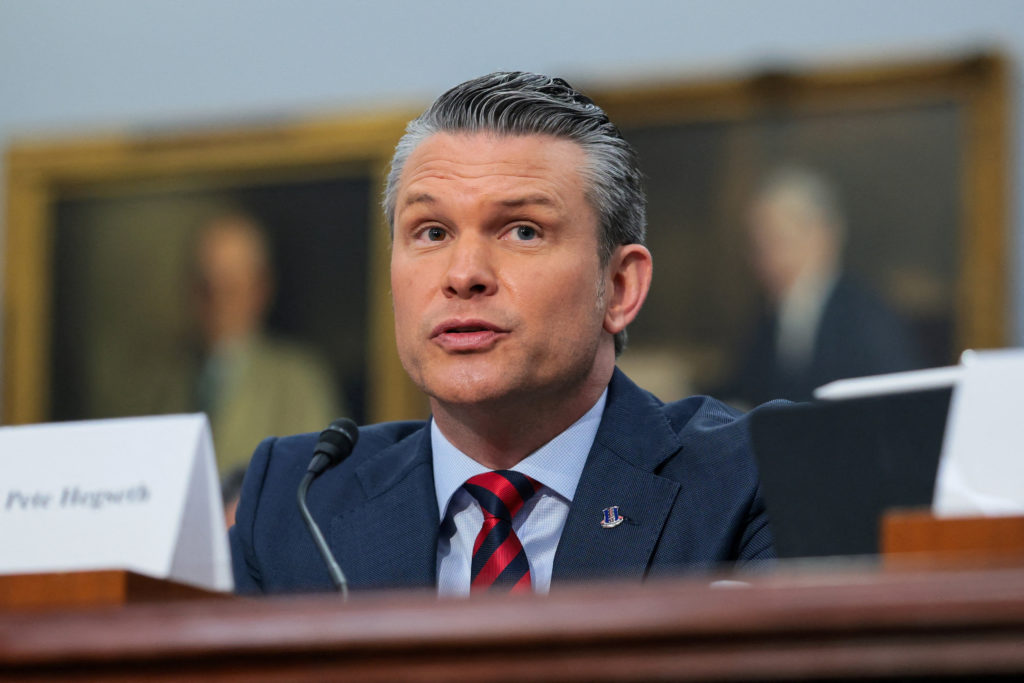
The move to sanction Kelly was initiated by then-Defense Secretary Pete Hegseth, a known Trump loyalist. This raises concerns that the action was politically motivated, intended to punish Kelly for his criticism of the administration's policies.