Trump Administration's Mixed Messages on Overdose Prevention Endanger Vulnerable Communities
Conflicting policies prioritizing naloxone over harm reduction tools and slashing addiction funding threaten to exacerbate the opioid crisis and disproportionately harm marginalized groups.
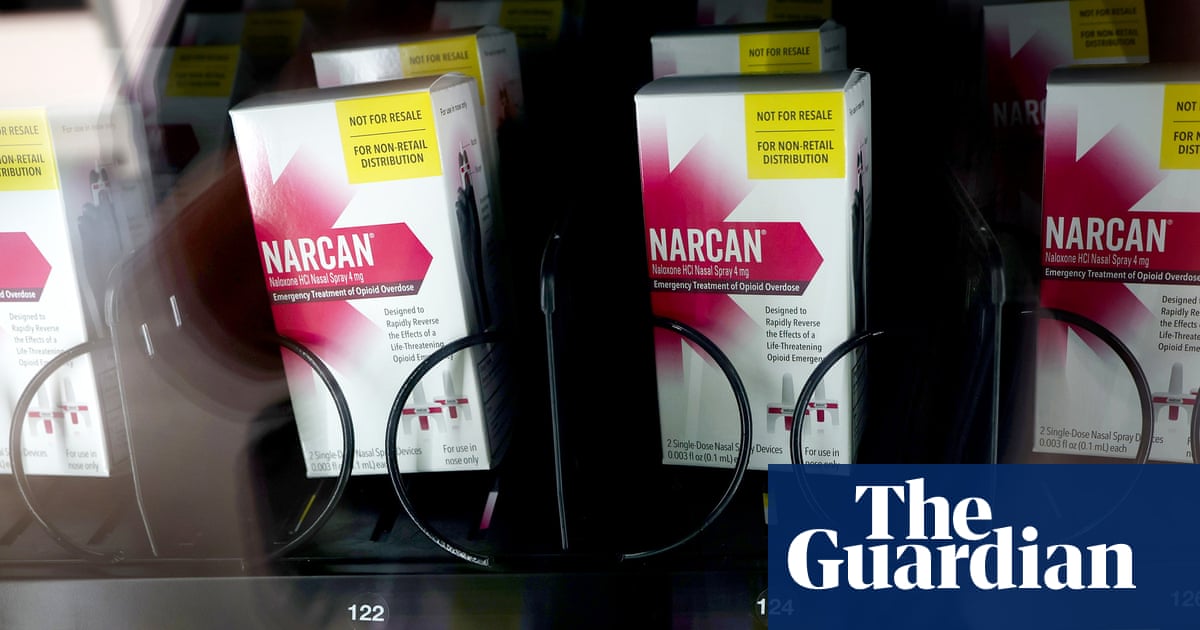
Washington D.C. — The Trump administration's inconsistent policies regarding overdose prevention are facing criticism for potentially undermining efforts to combat the opioid crisis and endangering vulnerable communities.
Recent decisions, including defunding fentanyl test strips and proposing drastic budget cuts to addiction and overdose prevention programs, stand in stark contrast to the administration's stated commitment to addressing the opioid epidemic. This contradictory approach raises serious concerns about the administration's priorities and its commitment to evidence-based solutions.
The Substance Abuse and Mental Health Services Administration's (SAMHSA) decision to halt funding for fentanyl test strips is particularly alarming. These strips provide a crucial tool for individuals to test their drugs for the presence of fentanyl, a highly potent opioid responsible for a surge in overdose deaths. By restricting access to these life-saving tools, the administration is effectively removing a critical safety net for people who use drugs.
Dr. Nabarun Dasgupta, Director of the University of North Carolina’s Opioid Data Lab, rightly pointed out that defunding test strips benefits drug cartels by allowing them to sell adulterated products without detection. This decision demonstrates a callous disregard for the lives of people who use drugs and a failure to understand the complexities of addiction.
This latest move is part of a broader pattern of attacks on harm reduction strategies, a public health approach that prioritizes minimizing the negative consequences associated with drug use. Harm reduction interventions, such as fentanyl test strips, naloxone distribution, and safe consumption sites, have been proven effective in reducing overdose deaths and promoting public health. By dismantling these programs, the Trump administration is turning its back on evidence-based solutions and embracing punitive measures that have historically failed to address addiction.
Moreover, the administration's proposed budget cuts, which would slash $10 billion in funding for addiction and overdose prevention and research, would decimate vital programs that provide treatment, support, and resources to individuals struggling with addiction. These cuts would disproportionately harm marginalized communities, including low-income individuals, people of color, and those living in rural areas, who already face significant barriers to accessing healthcare.