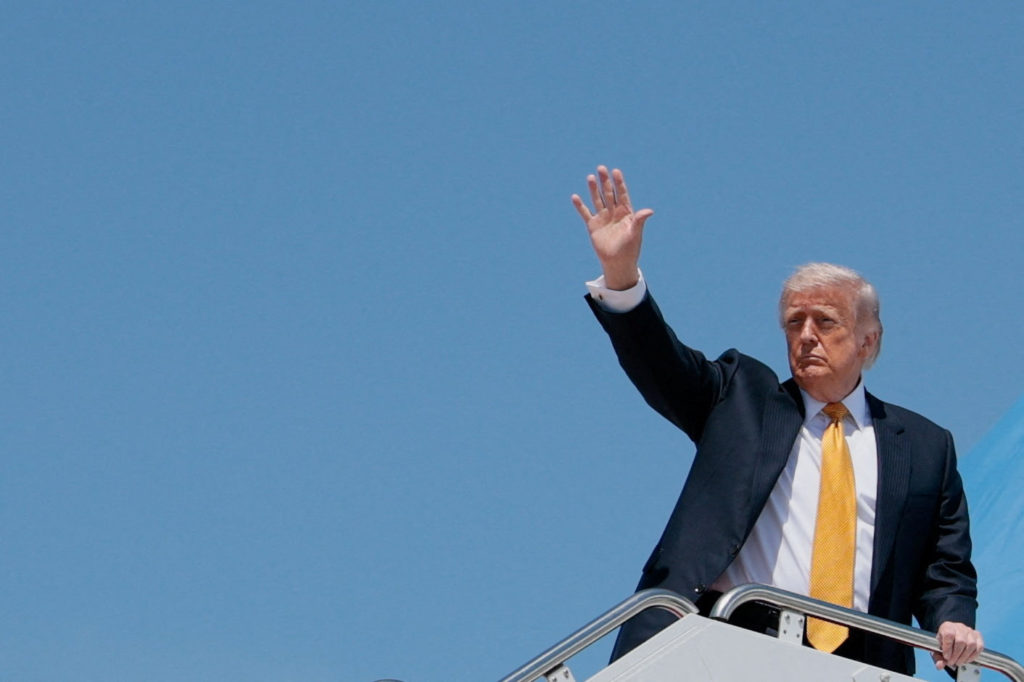
Trump Administration's Saber-Rattling on Iran Threatens to Sabotage Diplomacy and Ignite Regional Conflict
Renewed talk of military action against Iran reveals a dangerous preference for escalation over peaceful resolution, jeopardizing stability and human rights.
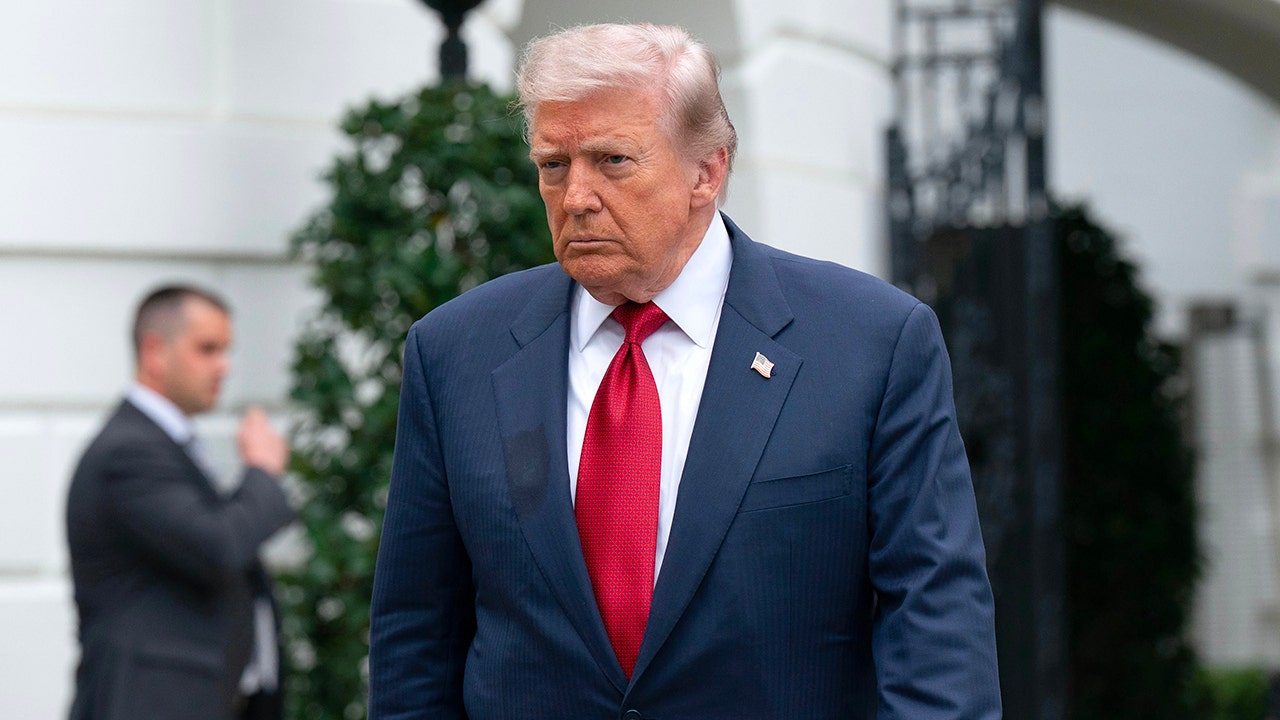
Washington D.C. – Reports that the Trump administration is once again eyeing military action against Iran, as negotiations on its nuclear program falter, represent a reckless gamble that could have catastrophic consequences for the region and its people. This renewed hawkishness signals a disturbing disregard for diplomacy and a willingness to prioritize military intervention over peaceful solutions.
The breakdown in negotiations over the Joint Comprehensive Plan of Action (JCPOA), the 2015 Iran nuclear deal, is a direct result of the Trump administration's withdrawal from the agreement in 2018. That decision, driven by ideological opposition to multilateral diplomacy, unleashed a cycle of escalation that has brought the region to the brink of war on multiple occasions. Reinstating sanctions, against the advice of international partners, has only served to impoverish the Iranian people and embolden hardliners.
Now, instead of pursuing good-faith negotiations to restore the JCPOA and address legitimate concerns, the administration is reportedly considering military strikes. This is not a responsible approach to foreign policy; it is a dangerous act of brinkmanship that could lead to a full-scale regional conflict. The human cost of such a conflict would be immense, particularly for the vulnerable populations already suffering from years of sanctions and political instability.
Critics argue that military action would not only be morally reprehensible but also strategically counterproductive. Bombing Iran's nuclear facilities would likely only delay its nuclear program, while simultaneously galvanizing support for the regime and undermining any prospect of future diplomatic engagement. Furthermore, it would risk drawing the United States into another costly and protracted war in the Middle East, diverting resources away from pressing domestic priorities such as healthcare, education, and climate change.
The administration's fixation on military options also ignores the broader context of U.S.-Iran relations. Decades of interventionist policies in the region, including support for authoritarian regimes and the arming of proxy forces, have fueled resentment and instability. A more constructive approach would involve addressing the root causes of conflict, promoting human rights and democracy, and engaging in genuine dialogue with all parties.
It is imperative that Congress and the international community push back against this dangerous escalation. Diplomacy, not military force, is the only viable path to resolving the Iranian nuclear issue and promoting regional stability. The lives and livelihoods of millions of people depend on it.
The potential use of force also raises serious questions about international law and the role of Congress. A unilateral military strike against Iran, without the authorization of the United Nations Security Council, would violate international norms and set a dangerous precedent. Moreover, it would be a blatant disregard for the constitutional authority of Congress to declare war.
The implications of this decision will reverberate for generations. The focus should be on de-escalation, diplomacy, and a commitment to a peaceful and just resolution that respects the rights and dignity of all people in the region.
Sources:
* Arms Control Association * United Nations Human Rights Office of the High Commissioner