Trump and Lula to Discuss Trade, While Overlooking Human Rights?
Critics worry organized crime talks may overshadow concerns for social justice and environmental protection.
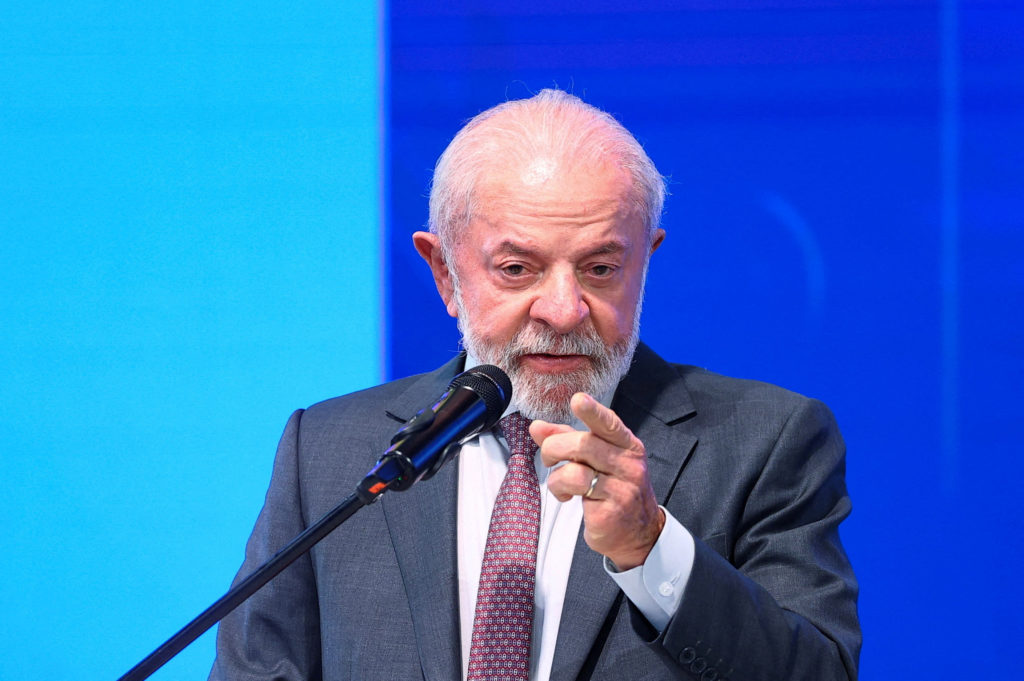
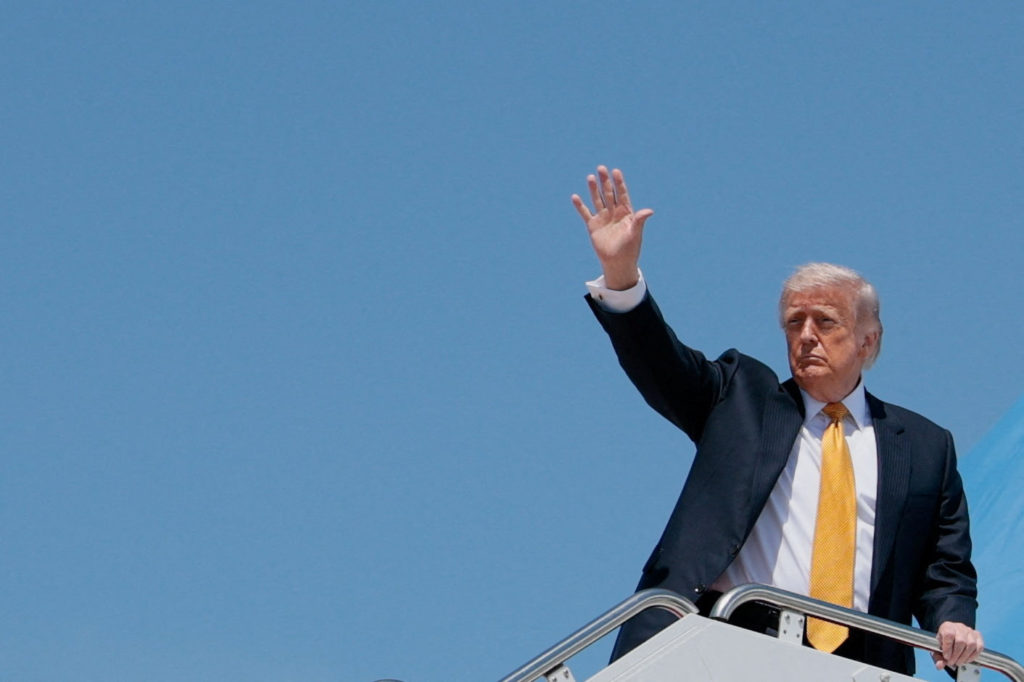
WASHINGTON – President Donald Trump will meet with Brazilian President Luiz Inácio Lula da Silva at the White House Thursday, with the agenda reportedly focused on organized crime and trade tariffs, according to Brazilian finance minister Dario Durigan. While addressing these issues is important, critics are raising concerns about the potential for other crucial topics, particularly human rights and environmental protections, to be sidelined.
Durigan’s statement highlighted the administration's priorities, emphasizing the need for cooperation in combating transnational criminal networks. This focus aligns with President Trump's broader agenda of securing borders and combating illicit activities. However, some observers worry that this emphasis on law enforcement could overshadow the underlying social and economic factors that contribute to organized crime, such as poverty, inequality, and lack of opportunity.
Trade tariffs, another area of discussion, have historically been used by both countries to protect domestic industries, often at the expense of consumers and workers. Progressive economists argue that trade policies should be designed to promote fair labor standards, environmental sustainability, and equitable distribution of wealth, rather than simply maximizing profits for corporations.
The meeting takes place against a backdrop of rising social and environmental challenges in both countries. Brazil, in particular, faces significant issues related to deforestation in the Amazon rainforest, land rights for indigenous communities, and violence against human rights defenders. It remains to be seen whether President Lula will use the opportunity to raise these concerns with President Trump and advocate for policies that address these pressing issues.
Critics argue that the United States has a moral responsibility to promote human rights and environmental protection in its foreign policy engagements. By focusing solely on security and economic interests, the Trump administration risks undermining these values and perpetuating systems of inequality and injustice.
Furthermore, the discussions on organized crime should acknowledge the role of global capitalism in fueling illicit activities. Tax havens, money laundering schemes, and corrupt financial institutions facilitate the operations of transnational criminal networks, often with impunity. Addressing these systemic issues requires international cooperation and a commitment to financial transparency.
The meeting also presents an opportunity to discuss climate change and the transition to a sustainable economy. Brazil possesses vast natural resources, including the Amazon rainforest, which plays a crucial role in regulating the global climate. Collaborative efforts to protect the rainforest and promote renewable energy could have significant benefits for both countries and the planet as a whole.
The absence of any explicit mention of human rights or environmental protection in the stated agenda raises concerns among progressive activists and civil society organizations. They are calling on both leaders to address these issues during their meeting and to commit to policies that promote social justice, environmental sustainability, and human dignity.
The outcome of the meeting will be closely scrutinized by those concerned with social and environmental issues. They hope that President Trump and President Lula will seize the opportunity to address these pressing challenges and to forge a more just and sustainable future for both countries.
It remains critical to monitor the details that emerge to ensure issues of inequality, environmental protections, and human rights do not remain unaddressed.
Sources: * United Nations Human Rights Office * Oxfam International
President Trump and President Lula's meeting raises concerns that critical issues like human rights and environmental protection may be overlooked in favor of organized crime and trade discussions.