Trump Claims Iran Deal Hinges on Hormuz Reopening, Raising Concerns Over Leverage
Former President's assertion fuels debate on whether prioritizing waterway access could overshadow human rights and nuclear non-proliferation.

Donald Trump's recent statement that an agreement with Iran is 'largely negotiated' and contingent on the re-opening of the Strait of Hormuz raises serious questions about the priorities guiding potential negotiations. While ensuring the free flow of commerce through this vital waterway is undoubtedly important, it is crucial to examine whether this focus might overshadow critical concerns such as human rights within Iran and the verifiable dismantling of its nuclear program. The implications of prioritizing the Strait of Hormuz over these fundamental issues could have long-lasting and detrimental effects on regional stability and global security.
The Strait of Hormuz, a narrow passage connecting the Persian Gulf to the Gulf of Oman, is a critical artery for global oil supplies. Disruptions in this area can have devastating consequences for international trade and energy prices, disproportionately impacting working-class families already struggling with rising costs. However, framing the agreement solely around this issue risks ignoring the broader context of Iran's behavior, both domestically and internationally.
The Joint Comprehensive Plan of Action (JCPOA), negotiated under the Obama administration, sought to limit Iran's nuclear program in exchange for sanctions relief. While the agreement was not without its flaws, it provided a framework for verifiable inspections and monitoring. Trump's decision to withdraw from the JCPOA in 2018, against the advice of many experts, unleashed a cascade of negative consequences, including increased regional tensions and a rollback of nuclear restrictions.
A new agreement focused primarily on the Strait of Hormuz could be interpreted as a tacit endorsement of Iran's internal policies, including its human rights record and its support for proxy groups in the region. Such an approach could embolden hardliners within Iran and undermine efforts to promote democratic values and fundamental freedoms. It's imperative that any deal with Iran includes robust provisions for human rights monitoring and accountability.
Furthermore, a narrow focus on maritime access could weaken international leverage regarding Iran's nuclear program. Without stringent verification mechanisms and enforceable penalties for non-compliance, there is a risk that Iran could secretly pursue nuclear weapons development, posing a grave threat to regional and global security. Any agreement must prioritize verifiable nuclear non-proliferation above all else.
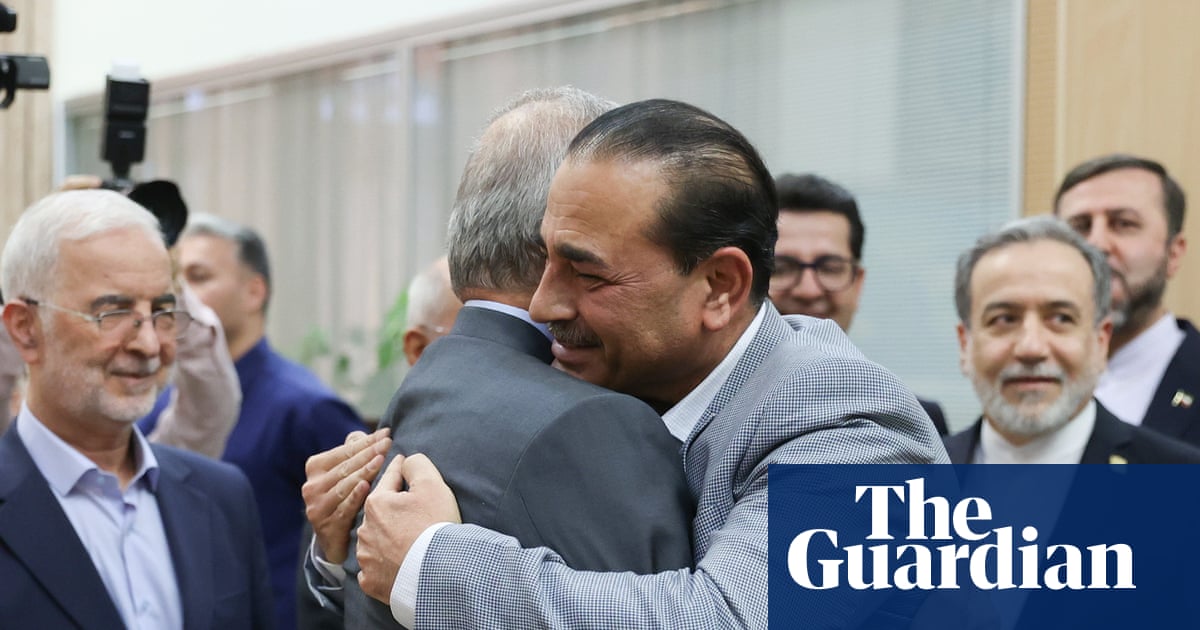
The involvement of Middle Eastern leaders in these discussions is also noteworthy. It is essential to ensure that all stakeholders are fully represented in the negotiations and that the agreement reflects the diverse perspectives and security concerns of the region. A rushed or poorly negotiated deal could exacerbate existing tensions and create new sources of conflict.
Ultimately, the success of any agreement with Iran will depend on its ability to address a wide range of issues, including human rights, nuclear non-proliferation, and regional security. Prioritizing one issue, such as the Strait of Hormuz, at the expense of others would be a grave mistake. A comprehensive and balanced approach is essential to achieve a lasting and just peace in the Middle East. Any agreement must also be subjected to rigorous congressional oversight and public scrutiny to ensure transparency and accountability.
Ignoring these crucial considerations in the pursuit of a quick deal would be a disservice to the principles of human rights, democracy, and international law. A just and lasting peace requires a commitment to addressing the root causes of conflict and promoting a more equitable and sustainable future for all. Focusing solely on the Strait of Hormuz represents a dangerous and short-sighted approach that could ultimately undermine these goals.