Trump Defends Iran Deal Exit Amid Escalating Tensions, Critics Warn of Destabilizing Effects
Former President Trump's continued defense of dismantling the Iran nuclear deal raises concerns about regional stability and the potential for nuclear proliferation, experts say.
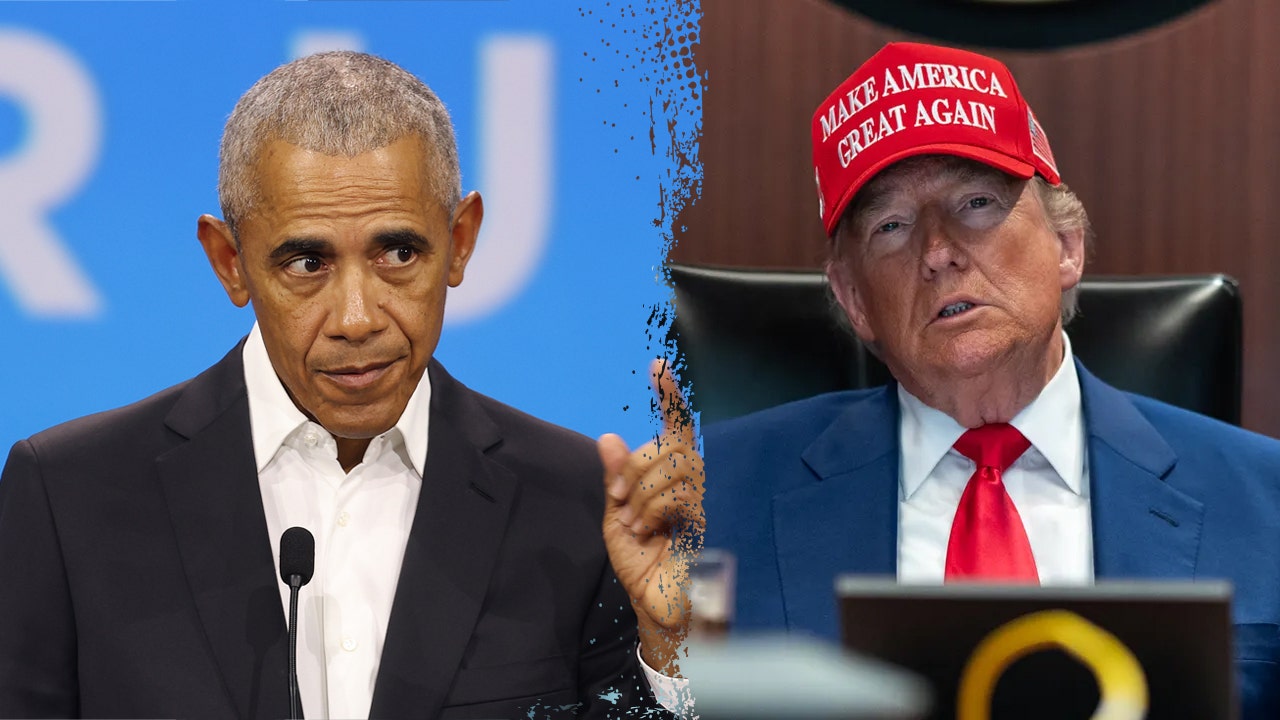
Former President Donald Trump, in a recent address, doubled down on his controversial decision to withdraw the United States from the 2015 Iran nuclear deal, the Joint Comprehensive Plan of Action (JCPOA). He labeled the agreement, brokered by the Obama administration, a 'disaster' that enabled Iran's alleged malign activities. However, critics argue that Trump's actions have only exacerbated tensions in the Middle East and undermined international efforts to prevent Iran from developing nuclear weapons, disproportionately affecting vulnerable populations in the region.
The JCPOA, negotiated between Iran and the P5+1 nations, offered Iran sanctions relief in exchange for verifiable limits on its nuclear program. This agreement, according to proponents, provided a framework for peaceful diplomacy and verification, preventing a potential arms race in the region. The International Atomic Energy Agency (IAEA) served as the independent monitor, ensuring compliance.
Trump's withdrawal in 2018, accompanied by the reimposition of crippling sanctions, effectively dismantled the agreement. This decision, framed by Trump as a necessary step to counter Iran's 'fanatical,' 'murderous,' and 'thuggish' regime, has been widely condemned by progressives and international allies alike. Critics argue that the move isolated the United States, emboldened hardliners within Iran, and undermined the possibility of a diplomatic solution.
Trump's criticism of the $400 million cash payment made by the Obama administration to Iran in 2016 further fueled the debate. While Trump characterized it as an attempt to 'buy their respect and loyalty,' supporters of the JCPOA maintain that it was the return of Iranian assets frozen in U.S. banks, tied to a separate legal settlement. The cash transfer, while controversial, was seen as a necessary step to de-escalate tensions and secure the release of American prisoners.
The assassination of Iranian General Qasem Soleimani in 2020, highlighted by Trump as a key achievement, further destabilized the region. Soleimani, while a controversial figure, was a high-ranking official in the Iranian government. His killing prompted retaliatory actions and increased the risk of direct military confrontation.
Progressive analysts argue that Trump's 'maximum pressure' campaign against Iran has disproportionately harmed the Iranian people, leading to economic hardship and limited access to essential resources, including medicine and food. The sanctions have also hindered humanitarian efforts and further fueled resentment towards the United States.
The collapse of the JCPOA has raised concerns about the potential for Iran to accelerate its nuclear program. While Iran maintains that its nuclear activities are for peaceful purposes, the lack of international oversight has heightened anxieties about nuclear proliferation in the region. This poses a significant threat to global security and could trigger a dangerous arms race.
Moreover, the escalating tensions in the Middle East have led to increased military spending and a diversion of resources away from crucial social programs and environmental initiatives. The focus on military solutions, critics argue, perpetuates a cycle of violence and instability, hindering efforts to address the root causes of conflict.
The current administration's efforts to find a diplomatic path forward have been hampered by the legacy of Trump's policies. Rebuilding trust and reviving the JCPOA will require a concerted effort to address the grievances of all parties involved and to prioritize diplomacy over confrontation.
Ultimately, a sustainable solution to the Iran nuclear issue must be based on mutual respect, verifiable commitments, and a recognition of the interconnectedness of regional security. The well-being of the Iranian people, as well as the stability of the broader Middle East, depends on a return to diplomacy and a rejection of unilateral action.