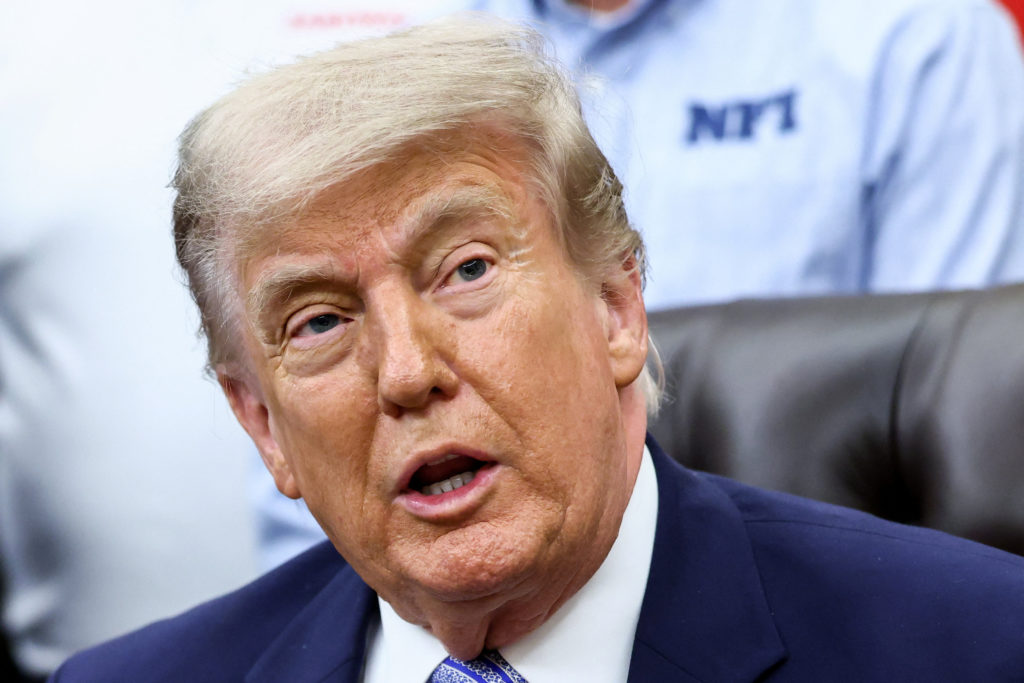
Trump Delays AI Order, Raising Fears of Hampered Innovation and Lost Ground
Concerns over stifling U.S. AI edge come amid calls for ethical and equitable development.
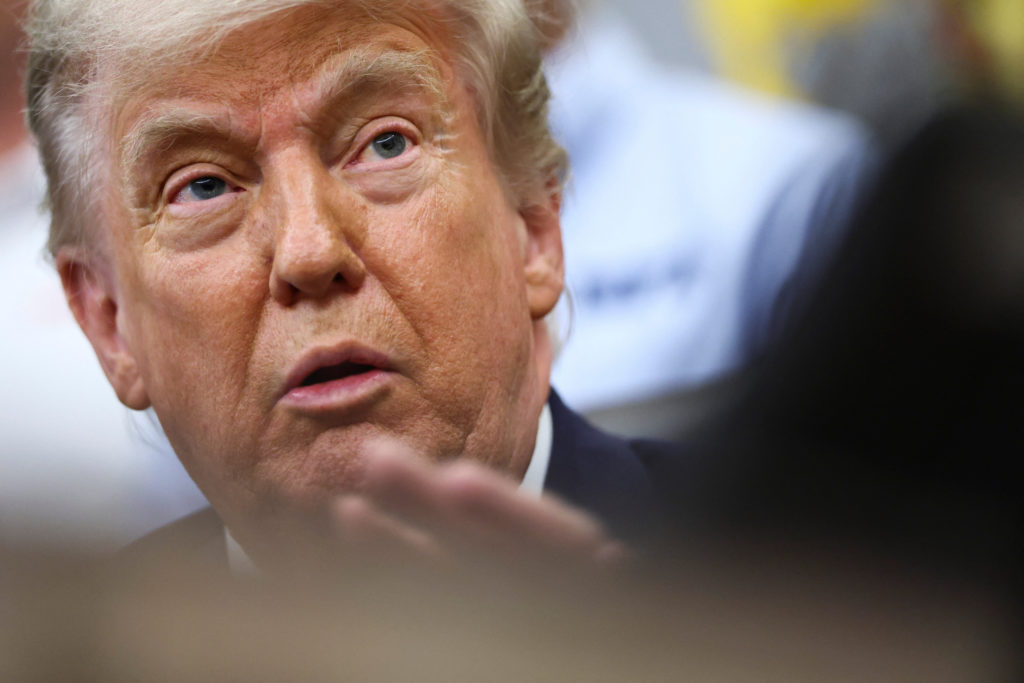
WASHINGTON – President Donald Trump's last-minute postponement of an executive order on artificial intelligence (AI) has sparked concerns among experts and advocates who fear the delay could further hinder the development of ethical and equitable AI solutions, especially as other nations race ahead.
The administration's stated reason – worry that the order could blunt America's technological advantage – raises questions about the balance between promoting innovation and ensuring that AI technologies are developed responsibly and in ways that benefit all members of society. Many progressive voices argue that a purely innovation-focused approach risks exacerbating existing inequalities and overlooking potential harms.
For years, advocates have been urging policymakers to address the potential for AI to perpetuate and amplify biases in areas such as criminal justice, healthcare, and employment. Algorithmic bias, often stemming from biased training data or flawed design, can lead to discriminatory outcomes, disproportionately affecting marginalized communities. A robust AI policy framework should prioritize fairness, transparency, and accountability.
The postponement of the executive order provides an opportunity to re-examine its potential impact on these critical issues. Advocates hope that the administration will use this time to consult with a wider range of stakeholders, including civil rights organizations, community groups, and academics, to ensure that the final order reflects a commitment to equity and social justice.
Furthermore, the delay could have implications for the U.S.'s competitiveness in the global AI landscape. While the Trump administration has emphasized the importance of AI, some observers argue that its policies have not adequately addressed the need for sustained investment in basic research, education, and workforce development – areas that are crucial for maintaining long-term leadership in AI.
China, for example, has made massive investments in AI research and development, and is rapidly catching up to the U.S. in key areas. A piecemeal approach to AI policy, characterized by delays and a narrow focus on short-term gains, could ultimately undermine America's ability to compete effectively in the long run.
The development and deployment of AI technologies also raise important ethical questions. Issues such as data privacy, algorithmic transparency, and the potential for job displacement must be addressed proactively to ensure that AI benefits society as a whole. A comprehensive AI policy framework should include mechanisms for accountability and redress, as well as safeguards to protect vulnerable populations.
Some critics suggest the postponement reflects a lack of understanding within the administration about the complexities of AI policy. Crafting effective policies requires a nuanced approach that takes into account not only economic considerations but also ethical, social, and legal implications. A hasty or poorly conceived executive order could have unintended consequences that undermine the long-term development of responsible AI.
The AI community is diverse, encompassing researchers, engineers, policymakers, and civil society groups. A successful AI strategy must involve collaboration across these different sectors to ensure that diverse perspectives are considered. The postponement of the executive order provides an opportunity to engage in a more inclusive and collaborative policymaking process.
The need for responsible AI development is increasingly urgent. As AI technologies become more pervasive, it is crucial to address potential risks and ensure that AI is used in ways that promote fairness, equity, and human well-being. The administration should use this opportunity to strengthen its commitment to responsible AI and work with stakeholders to create a policy framework that reflects these values.
Sources:
* National Artificial Intelligence Initiative Office: https://www.ai.gov/ * Congressional Research Service: https://crsreports.congress.gov/