Trump Prioritizes White House Security Upgrade Amidst Social Needs
President's push for $1 billion security proposal raises questions about resource allocation amid pressing social issues.
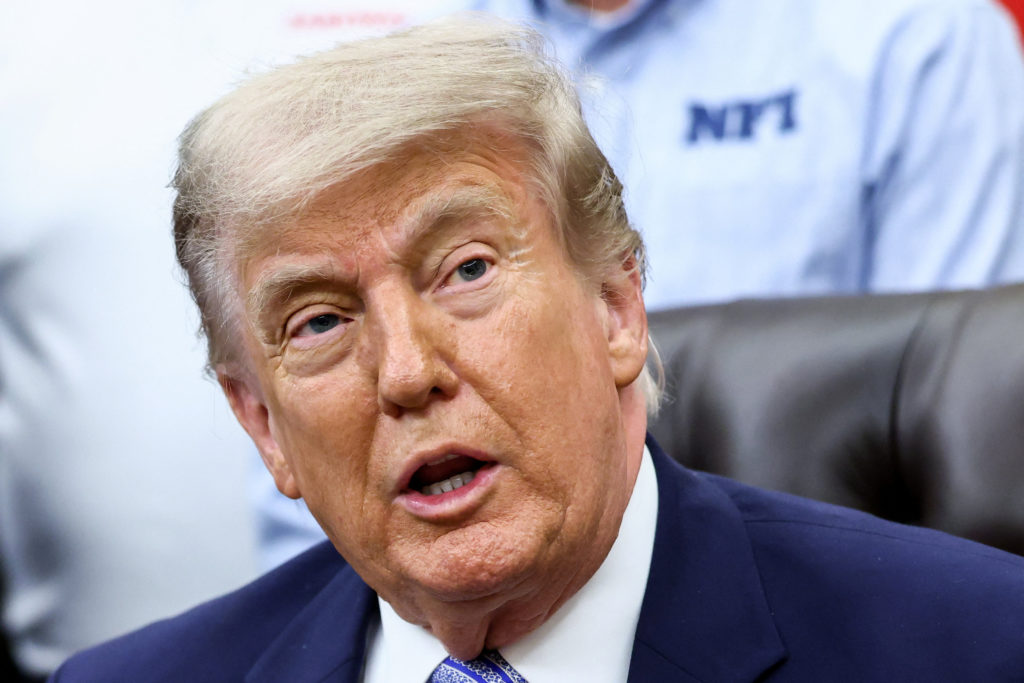
Washington D.C. - President Donald Trump's emphasis on a $1 billion security upgrade for the White House has sparked debate about the priorities of the administration, particularly in light of ongoing struggles to address critical social needs. While the President insists that the security improvements are essential, critics argue that the funds could be better allocated to programs that directly benefit vulnerable populations and address systemic inequalities.
The proposed security enhancements come at a time when many communities across the country are facing challenges related to healthcare, education, and affordable housing. The allocation of significant resources to White House security raises concerns about whether the administration is adequately addressing these pressing issues. Progressive voices argue that investing in social programs would provide a more sustainable and equitable solution to the root causes of insecurity.
The Senate Republican resistance to the funding request presents an opportunity to re-evaluate the administration's priorities and consider alternative uses for the funds. Some progressive lawmakers are proposing to redirect the money towards initiatives that support marginalized communities and promote social justice.
The debate over White House security funding highlights the broader issue of resource allocation and the choices governments make about how to prioritize spending. Critics argue that the focus on security often comes at the expense of investments in social programs that are essential for creating a more just and equitable society.
The historical context of White House security spending reveals a pattern of increasing investment in protection, often in response to perceived threats. However, some historians argue that this trend has been accompanied by a neglect of social programs and a widening gap between the rich and the poor.
The potential impact of the $1 billion security upgrade on the federal budget raises concerns about the long-term sustainability of such spending patterns. Progressive economists argue that investing in social programs would provide a greater return on investment by improving public health, reducing crime rates, and promoting economic mobility.
The President's statement distinguishing between security needs and ballroom improvements has been interpreted by some as a way to deflect criticism and portray the administration as being fiscally responsible. However, critics argue that the focus on security is a distraction from the more fundamental issues of social inequality and economic injustice.
The debate over White House security funding is also linked to broader discussions about racial justice and police reform. Critics argue that the excessive focus on security often leads to discriminatory practices and the disproportionate targeting of marginalized communities. Some progressive activists are calling for a shift in resources from security to community-based programs that promote healing and reconciliation.
The outcome of the funding request will have significant implications for the future of White House security and the broader discussion about government priorities. Progressive voices are urging lawmakers to consider the social impact of their decisions and to prioritize investments in programs that promote equity and justice.
The current situation reflects a growing awareness of the need to address systemic inequalities and to create a more inclusive society. The debate over White House security funding is just one example of the many challenges facing the nation as it strives to build a more just and equitable future.
Ultimately, the decision about how to allocate resources will have a profound impact on the lives of millions of people. It is essential that lawmakers carefully consider the social impact of their choices and prioritize investments in programs that promote the well-being of all members of society.