Trump Demands $87.6 Billion to Fund Unauthorized War as White House Holds Housing Relief Hostage
The administration's massive funding request seeks billions for defense contractors while working families suffer from rising costs and environmental rollback.
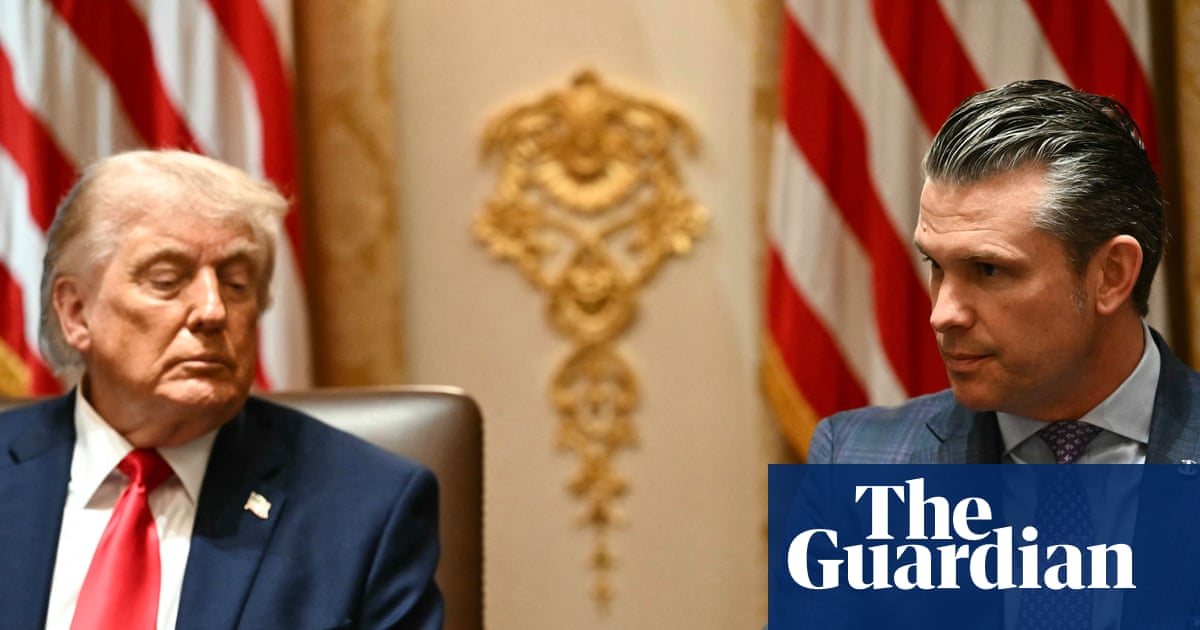
The Trump administration has escalated its aggressive foreign policy agenda by demanding that Congress approve a massive $87.6 billion supplemental funding package, primarily to pay for the unauthorized and highly unpopular war with Iran. This latest funding request bypasses standard democratic oversight for a conflict initiated in February 2026 alongside Israel without congressional consent. Progressive lawmakers and advocates are sounding the alarm over the administration's attempt to secure billions more for defense contractors while domestic needs remain neglected.
According to a letter from Russell Vought, the director of the White House Office of Management and Budget, $67.1 billion of the requested funds would directly support the conflict in Iran. Crucially, $21 billion of this amount is earmarked for munitions procurement and the defense industrial base, representing a massive windfall for corporate weapons manufacturers. This request comes even as the Pentagon sits on an estimated $100 billion in unspent funds, raising questions about the necessity and fiscal responsibility of the allocation.
The domestic fallout of the administration's militarism is reflected in the other components of the request. The White House has asked for $11.1 billion to bail out American farmers, who are struggling under the weight of the administration's retaliatory tariff regimes and soaring diesel and fertilizer costs directly linked to the Middle East conflict. Critics point out that instead of addressing the root causes of agricultural instability, the administration is using taxpayer funds to temporarily offset the damage caused by its own foreign policy decisions.
Adding to environmental concerns, the White House has included a rider to codify the year-round sale of E15 gasoline. While marketed as a cheaper fuel option, E15's higher ethanol content is known to increase air pollution during warmer months, threatening public health in vulnerable communities. Environmental advocates argue that using a national security funding bill to bypass clean air regulations is a direct attack on environmental protections.
The supplemental request also includes $1.4 billion to combat the Ebola outbreak in the eastern Democratic Republic of the Congo. While international aid is vital, observers note the stark contrast between the modest sum allocated to global health crises and the tens of billions designated for military operations. The administration's overall defense spending goals are unprecedented, with a proposed $1.5 trillion Pentagon budget—the largest in decades. While $1.15 trillion has advanced through Congress, the White House's push to pass the remaining $350 billion on a party-line basis has drawn skepticism even from senior Republicans.