Trump Denies Plans to Fire FDA Chief Amid Vape and Abortion Pill Controversies, Raising Public Health Concerns
Trump's denial of Makary's potential firing masks deep concerns about the FDA's future direction on public health issues like flavored vapes and access to reproductive healthcare.
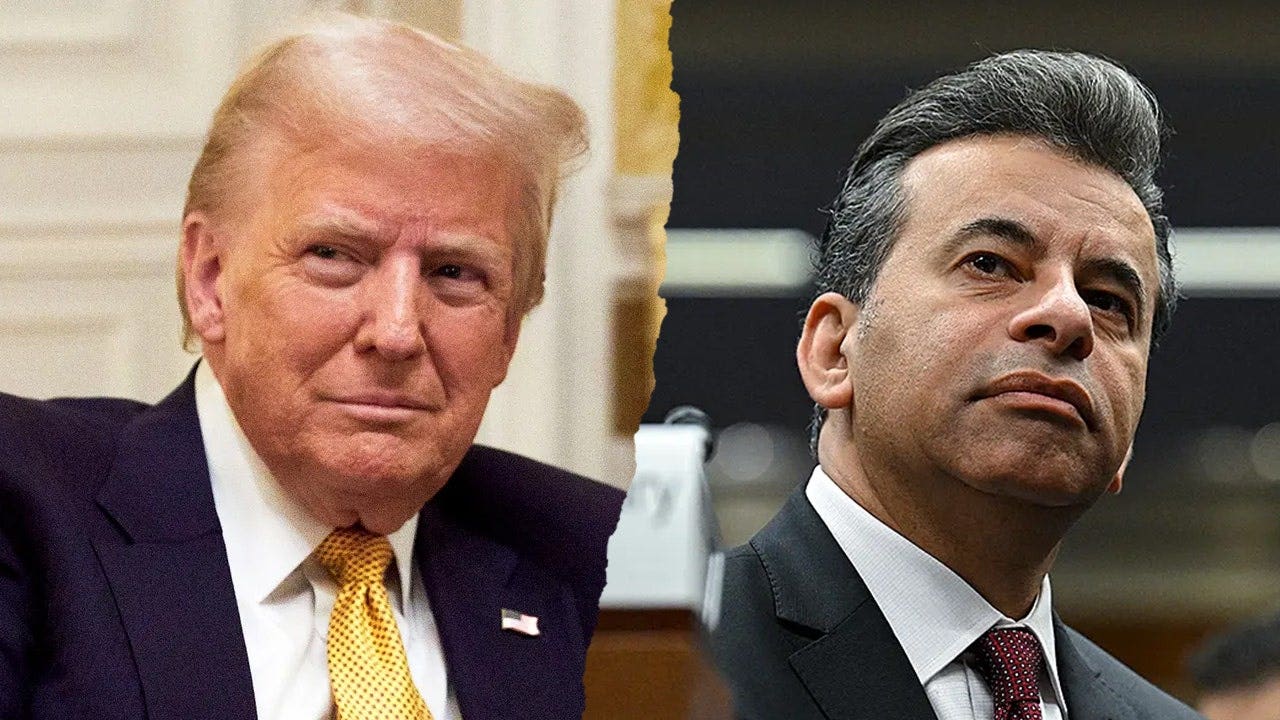
WASHINGTON - President Donald Trump has downplayed reports indicating he is planning to fire Food and Drug Administration (FDA) Commissioner Marty Makary, even as the agency faces intensifying pressure on issues ranging from flavored nicotine vapes to access to abortion pills.
Speaking to reporters, Trump claimed to know "nothing about it," regarding the reported plans to oust Makary. However, this denial comes amidst growing scrutiny of the FDA's handling of crucial public health matters, particularly those affecting vulnerable populations.
According to a report in The Wall Street Journal (WSJ), Trump had grown frustrated with Makary's resistance to fast-tracking the approval of flavored nicotine vapes, which critics argue disproportionately target young people and contribute to nicotine addiction. The report also indicated Trump had signed off on a plan to fire Makary. The targeting of youth with flavored vapes is a known public health crisis, and the FDA's role in regulating these products is vital to preventing addiction and protecting children.
Makary has also come under fire from anti-abortion activists for allegedly delaying a safety review of mifepristone, a medication used in medication abortions. This delay raises concerns about access to essential reproductive healthcare, particularly for marginalized communities who already face significant barriers to healthcare access. Marjorie Dannenfelser, president of SBA Pro-Life America, has called for Makary's firing, revealing the intense pressure the FDA faces from right-wing groups seeking to restrict abortion access.
Further complicating matters, pharmaceutical and biotech firms have also expressed dissatisfaction with Makary, primarily due to personnel cuts within the agency. John Crowley, head of the Biotechnology Innovation Organization (BIO), has argued that these cuts undermine the FDA's ability to effectively regulate the pharmaceutical industry and ensure the safety and efficacy of new drugs. These industry complaints raise questions about whether corporate interests are being prioritized over public health and safety.
Conversely, Makary has received support from figures associated with Robert F. Kennedy Jr.'s Make America Healthy Again (MAHA) movement, who argue that calls for his firing are driven by corporate-funded attacks. This underscores the complex web of political and economic interests that influence the FDA's decision-making process.
The potential removal of Makary raises serious concerns about the future direction of the FDA and its ability to protect public health. His replacement could lead to a weakening of regulations on flavored vapes, further restricting access to abortion pills, and prioritizing corporate interests over public safety. It is imperative that the FDA remains independent and committed to evidence-based decision-making, ensuring that all Americans have access to safe and affordable healthcare.
The FDA’s ability to conduct proper research and implement regulations is paramount in protecting the populace, especially when new and dangerous products like flavored vapes are introduced to the market. The agency must have the resources and leadership necessary to withstand political pressure and prioritize the well-being of all Americans, particularly the most vulnerable among us.
Trump’s denial, in this context, is not reassuring. It suggests a lack of transparency and accountability regarding the future of a vital government agency. The public deserves to know the truth about the administration’s plans for the FDA and its commitment to protecting public health over political expediency.
The current situation highlights the urgent need for greater transparency and accountability in government decision-making, particularly when it comes to issues that directly impact the health and well-being of the American people. Congress must exercise its oversight authority to ensure that the FDA remains a strong and independent agency, capable of fulfilling its mission of protecting public health.
Ultimately, the fight over Makary's position is a microcosm of the larger battle over the role of government in protecting public health and ensuring access to essential healthcare services for all. The outcome of this battle will have profound implications for the health and well-being of generations to come.