Trump Dines on Beef Ribs and Duck in China as Human Rights Concerns Go Unaddressed
While Beijing caters to the President's tastes with a lavish menu, critics question whether substantive issues like human rights are being sidelined.

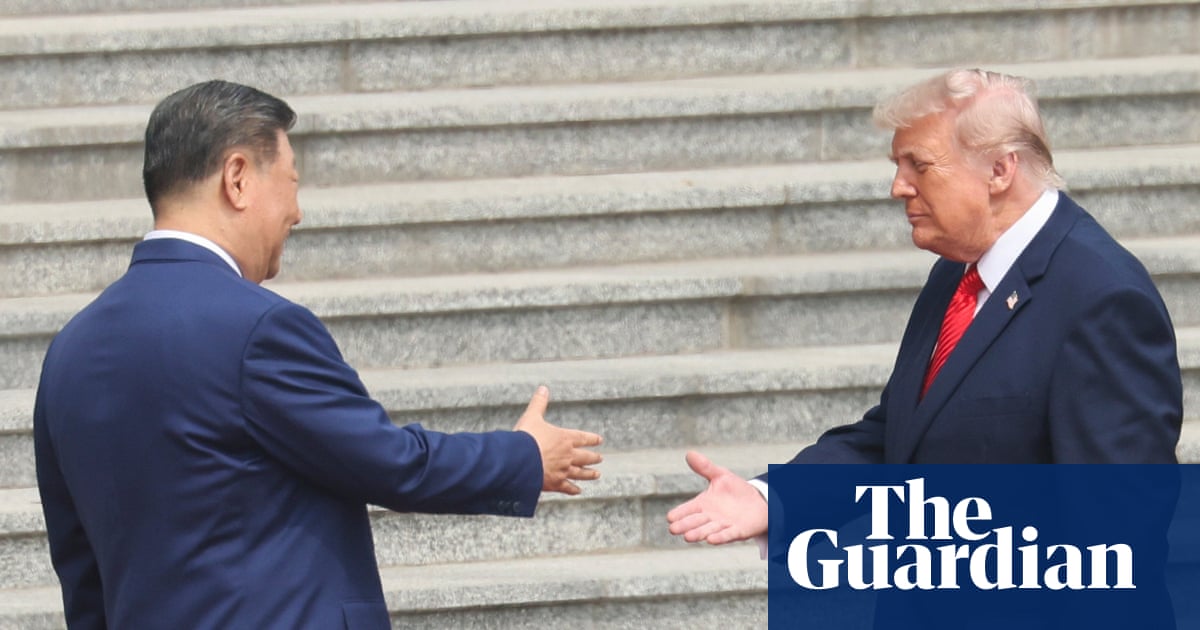
Beijing, China – President Trump's state visit to China included a state dinner featuring beef ribs, roast duck, and tiramisu, a menu seemingly designed to please the American leader. However, the optics of such a lavish display come under scrutiny at a time when concerns about China's human rights record and trade practices remain largely unaddressed. The dinner, while potentially fostering superficial goodwill, raises questions about whether the administration is prioritizing personal rapport over holding China accountable for its actions.
The inclusion of Western-style dishes like beef ribs and tiramisu underscores the lengths to which the Chinese government is willing to go to court the President. However, critics argue that these symbolic gestures distract from more pressing issues, such as the repression of Uyghurs in Xinjiang, the crackdown on pro-democracy activists in Hong Kong, and the ongoing suppression of dissent within mainland China. The state dinner, while perhaps intended to create a positive atmosphere, risks normalizing relations with a regime that has consistently violated human rights.
Historically, state dinners have been used as a tool of diplomacy. But it is essential to consider the context in which these events take place. In the past, administrations have used state visits to publicly raise concerns about human rights abuses and to advocate for democratic reforms. The current administration's apparent reluctance to do so raises concerns that it is prioritizing economic interests over moral principles. The focus on trade negotiations, while important, should not come at the expense of human rights. The menu, while seemingly innocuous, becomes a symbol of this imbalance.
The ethical implications of accepting such hospitality are significant. While engaging in dialogue with China is necessary, it is crucial to avoid legitimizing its authoritarian regime. The visual of the President enjoying a lavish meal while human rights abuses persist sends a troubling message both domestically and internationally. Activist groups argue that the administration should use its leverage to demand concrete improvements in China's human rights record before engaging in such displays of cordiality. The menu becomes a reminder of the unaddressed issues.
The state dinner also raises questions about economic equity. While the President dined on beef ribs and tiramisu, many Chinese workers continue to face exploitation and low wages. The focus on trade imbalances often overlooks the human cost of global capitalism. A more equitable approach would prioritize the rights and well-being of workers in both countries, ensuring that they benefit from economic growth. The opulent state dinner starkly contrasts with the struggles faced by many ordinary Chinese citizens.