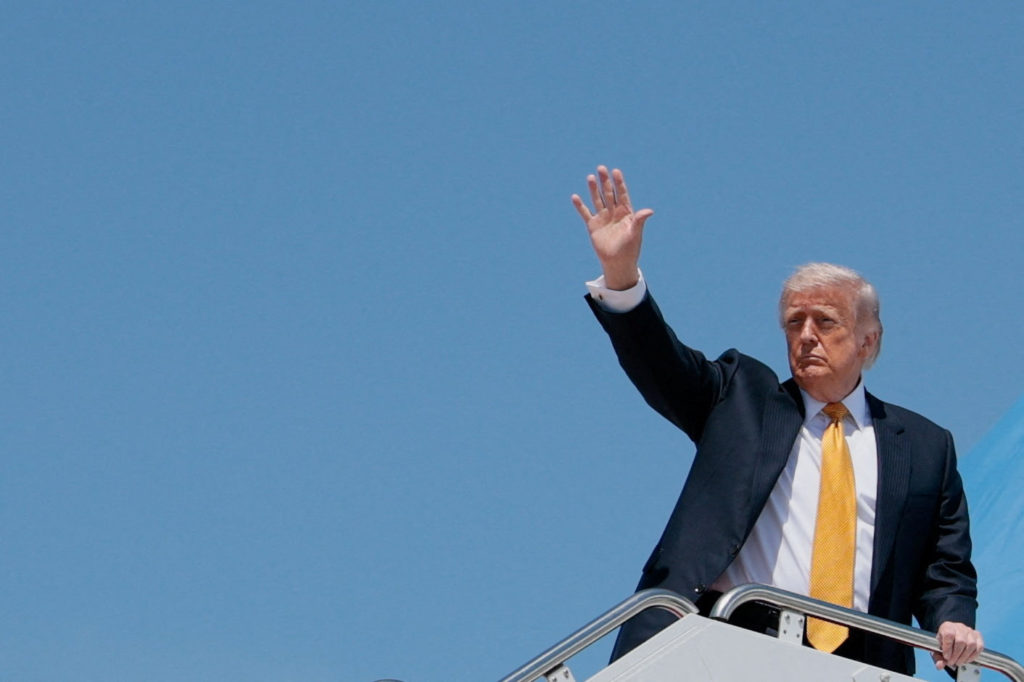
Trump Dismisses Iran Proposal, Escalating Tensions Amid Global Instability
As Trump rejects a diplomatic avenue with Iran, concerns mount over China's tech influence and the potential for environmental and public health crises.
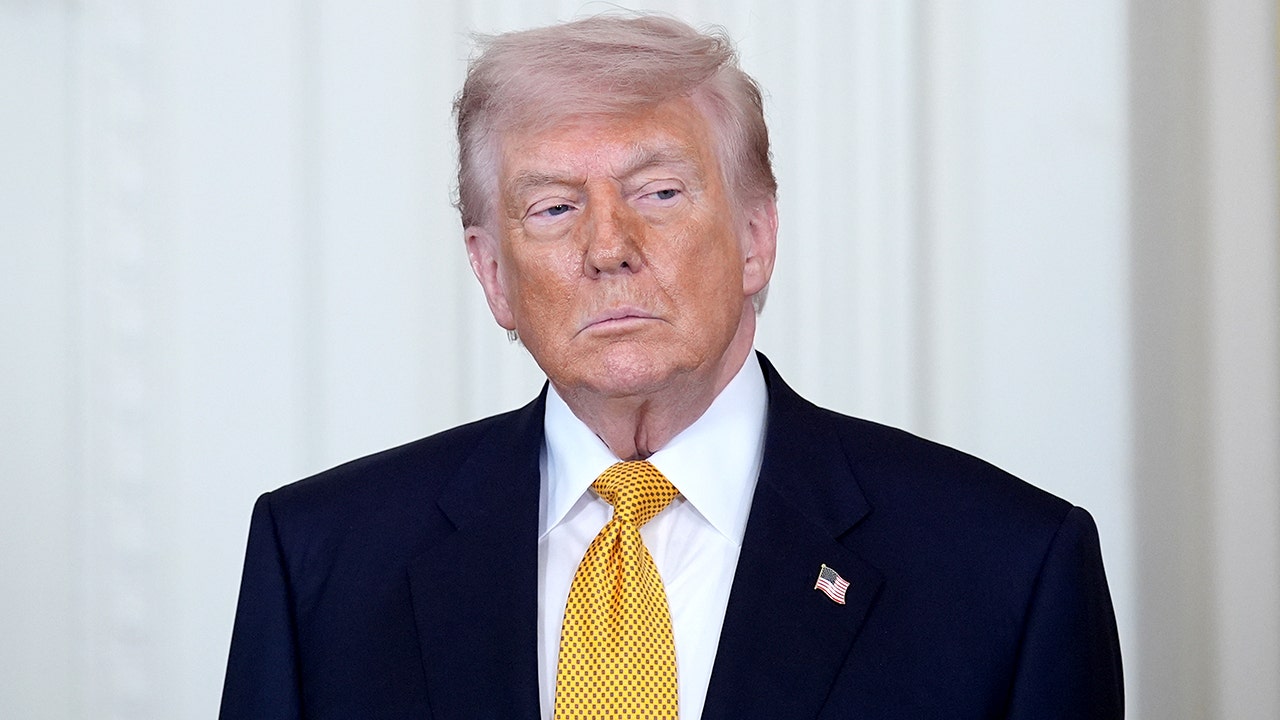
Washington D.C. - President Donald Trump's rejection of a proposal from Iran, deemed 'totally unacceptable,' signals a deepening of international tensions and raises serious questions about the future of diplomacy in a volatile geopolitical climate. This decision occurs against a backdrop of rising anxieties over China's technological dominance and its potential impact on global security and economic equity.
The specific contents of the Iranian proposal remain undisclosed, further fueling speculation about the administration's strategic goals. The rejection comes after years of escalating hostility towards Iran, including economic sanctions that have disproportionately harmed the Iranian people, leading to shortages of essential goods and a weakening of social safety nets. This hardline stance risks further destabilizing the region and undermining efforts to foster peaceful dialogue.
Meanwhile, fears are growing over China's expanding undersea cable network, which some analysts claim could pose a significant threat to global communications infrastructure and enable widespread espionage. The projected $10 trillion impact underscores the high stakes of the upcoming talks between President Trump and President Xi Jinping, where issues of technological sovereignty and international cooperation must be addressed.
Domestically, the political landscape reflects widening divisions. A union-funded advertisement targeting Spencer Pratt has sparked controversy, highlighting the challenges of effectively advocating for workers' rights in a polarized media environment. The ad backfired, as critics note, and may aid him.
The Supreme Court Justice, believed to be the junior justice, is reportedly finding herself at odds with the majority, raising concerns about the court's ability to address critical issues of social justice and equality. Senator Rand Paul's renewed investigation into the origins of COVID-19, after the statute of limitations on Dr. Fauci expires, could be seen as an attempt to further politicize public health.
Adding to the sense of crisis, a tide of sewage is spreading north into U.S. waters, threatening coastal communities and highlighting the urgent need for investments in infrastructure. The repatriation of 17 Americans from a hantavirus-stricken cruise ship underscores the vulnerability of global travel and the importance of international cooperation in addressing public health emergencies.
Maine Democrat Graham Platner's call for more aggressive 'tax-the-rich' policies highlights the growing frustration with economic inequality. AOC echoed this sentiment claiming American Revolution was against the billionaires of their time.
This confluence of crises—international tensions, technological threats, environmental disasters, and domestic divisions—demands a comprehensive and equitable approach. Prioritizing diplomacy, investing in infrastructure, and addressing economic inequality are essential steps towards building a more just and sustainable future.