Trump Downplays Hantavirus Concerns Amidst Criticisms of Slow Response
President's dismissive comment raises questions about the administration's commitment to public health during a potential outbreak impacting vulnerable communities.
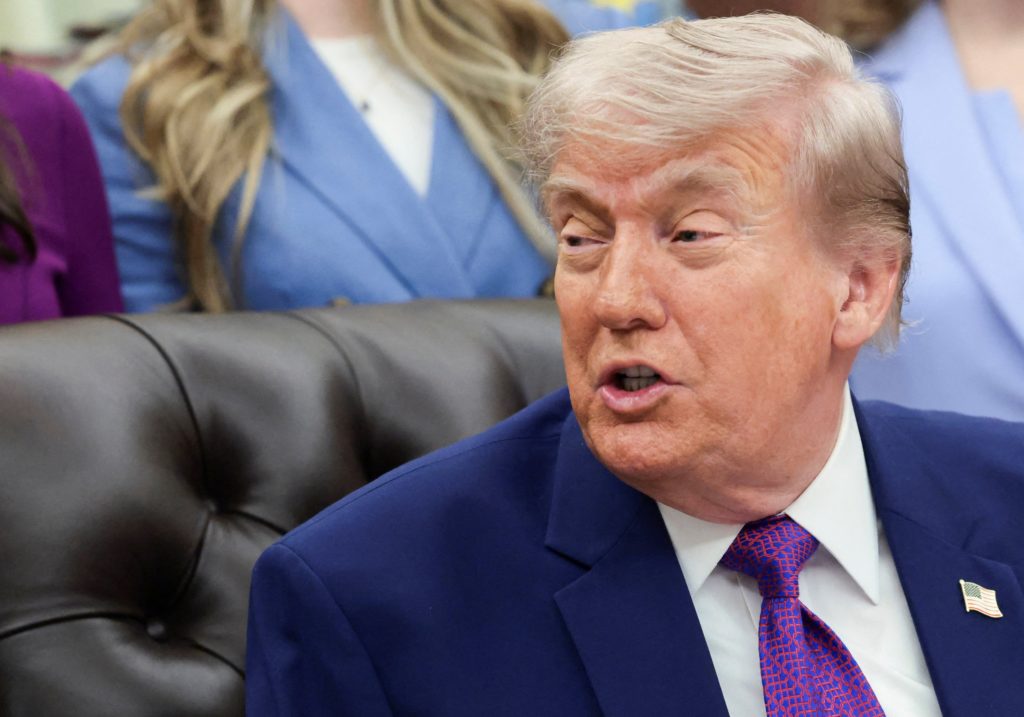
Washington D.C. – President Donald Trump's recent comment that the U.S. response to the hantavirus outbreak is "I think fine" is drawing criticism, particularly in light of reports suggesting a slow initial response from authorities, according to some experts. The remark highlights concerns about the administration's commitment to proactive public health measures, especially for marginalized communities often disproportionately affected by such outbreaks.
Hantavirus, a potentially deadly virus transmitted by rodents, poses a significant risk to those living in areas with inadequate housing and sanitation. The conditions that allow rodent populations to thrive are often exacerbated by poverty and systemic neglect, impacting communities of color and low-income individuals more severely.
The Centers for Disease Control and Prevention (CDC) emphasizes preventative measures like sealing homes and practicing good hygiene, but such measures are difficult, if not impossible, for people lacking resources. The CDC acknowledges that hantaviruses are transmitted through contact with infected rodents, a risk amplified in communities facing housing insecurity and environmental injustice.
Experts have questioned the preparedness and responsiveness of public health agencies in addressing the outbreak, raising concerns that a slow reaction could exacerbate the impact on vulnerable populations. The president's seemingly dismissive remark further fuels these anxieties.
This situation underscores the need for a comprehensive public health strategy that prioritizes equity and targets resources to communities most at risk. Effective outbreak response requires not only medical interventions but also addressing the social determinants of health that contribute to vulnerability.
Trump's comment is viewed by some as emblematic of a broader pattern of downplaying public health crises, potentially undermining public trust and hindering efforts to contain the spread of the virus.
Moving forward, a just and equitable response to the hantavirus outbreak demands a commitment to addressing the underlying systemic issues that put certain communities at greater risk. This includes investments in affordable housing, environmental remediation, and accessible healthcare.
The CDC and other public health agencies must prioritize outreach and education in vulnerable communities, ensuring that everyone has access to the information and resources they need to protect themselves and their families.
President Trump's statement has amplified concerns regarding the equitable distribution of public health resources and the necessity for heightened vigilance in protecting at-risk populations. These situations highlight the imperative for comprehensive strategies and robust support systems.