Trump-Era FCC Accused of Targeting ABC's 'The View' in Politically Motivated Attack on Free Speech
Advocates warn the investigation into 'The View' for alleged equal time violations is a chilling effect on media diversity and critical coverage of political issues.
Washington D.C. – Lawyers representing ABC are accusing the Federal Communications Commission (FCC), under the sway of Trump-era policies, of waging a politically motivated attack on the network, specifically targeting its daytime talk show, 'The View,' known for its diverse panel and often progressive viewpoints. This accusation follows an FCC investigation into whether 'The View' violated equal time rules during a broadcast featuring a U.S. Senate candidate from Texas, raising concerns about the suppression of diverse voices in media.
KTRK-TV, ABC’s Houston affiliate, filed a legal motion asserting that the FCC's actions threaten established legal precedents and, more critically, chill protected speech. The station argues that the FCC's inquiry into 'The View' could have far-reaching implications, stifling critical coverage of political issues and disproportionately impacting media outlets that provide a platform for diverse perspectives.
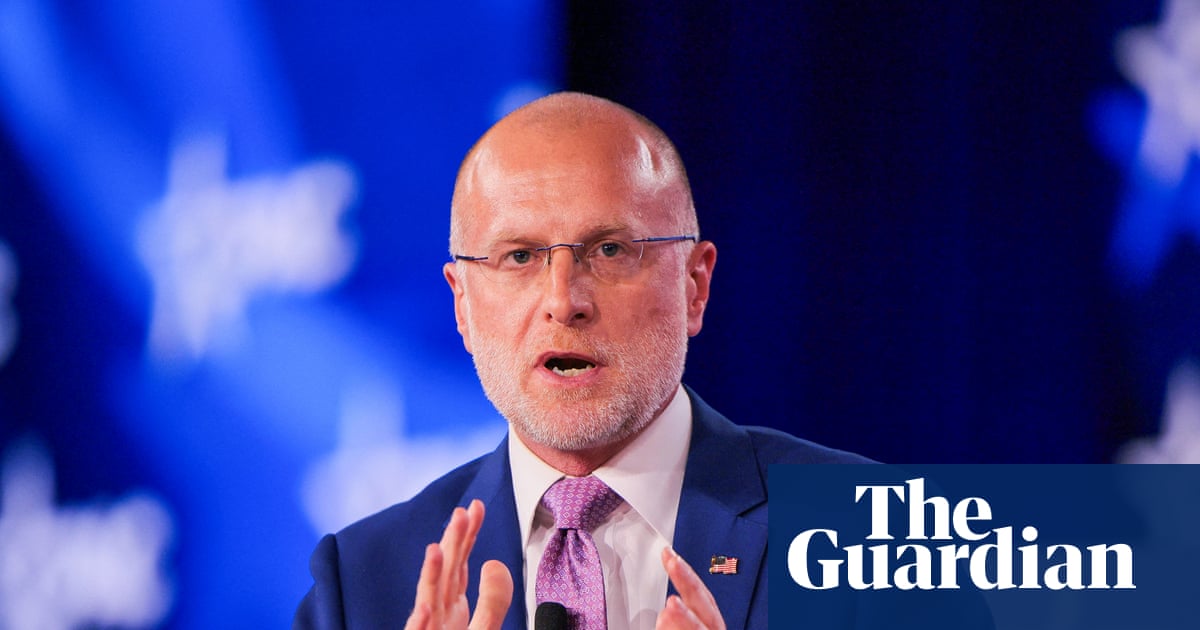
The controversy ignited when FCC Chairman Brendan Carr confirmed that the agency had launched an enforcement action regarding 'The View' due to a broadcast featuring James Talarico, a Texas Senate candidate. The FCC is scrutinizing whether the network provided equivalent airtime to Talarico's political opponents, as mandated by equal time regulations.
ABC contends that 'The View' qualifies for an exemption to the equal time rules because it functions as a bona fide news interview program. This exemption recognizes the importance of news organizations' ability to cover political candidates without the undue burden of offering equal time to all other contenders.
In its May 7 filing, ABC's legal team argued that the equal time doctrine is increasingly anachronistic in the modern media landscape. They emphasize that the proliferation of alternative media platforms, such as cable television, podcasts, and social media, diminishes the necessity of strict equal time requirements for broadcast airwaves. Critics argue that these regulations disproportionately impact smaller, independent media outlets and stifle diverse voices.
The filing suggests that enforcing equal time rules in the digital age could inadvertently suppress political coverage, particularly from outlets committed to presenting a diversity of viewpoints. The station argues that the burden of providing equal time to all candidates might discourage broadcasters from featuring any candidates at all, further limiting access to information for the public.