Trump-Era Probe Freezes Student Voting Data, Suppressing Civic Engagement
An investigation initiated under the Trump administration is hindering efforts to increase student voter turnout by freezing access to crucial data on college campuses.
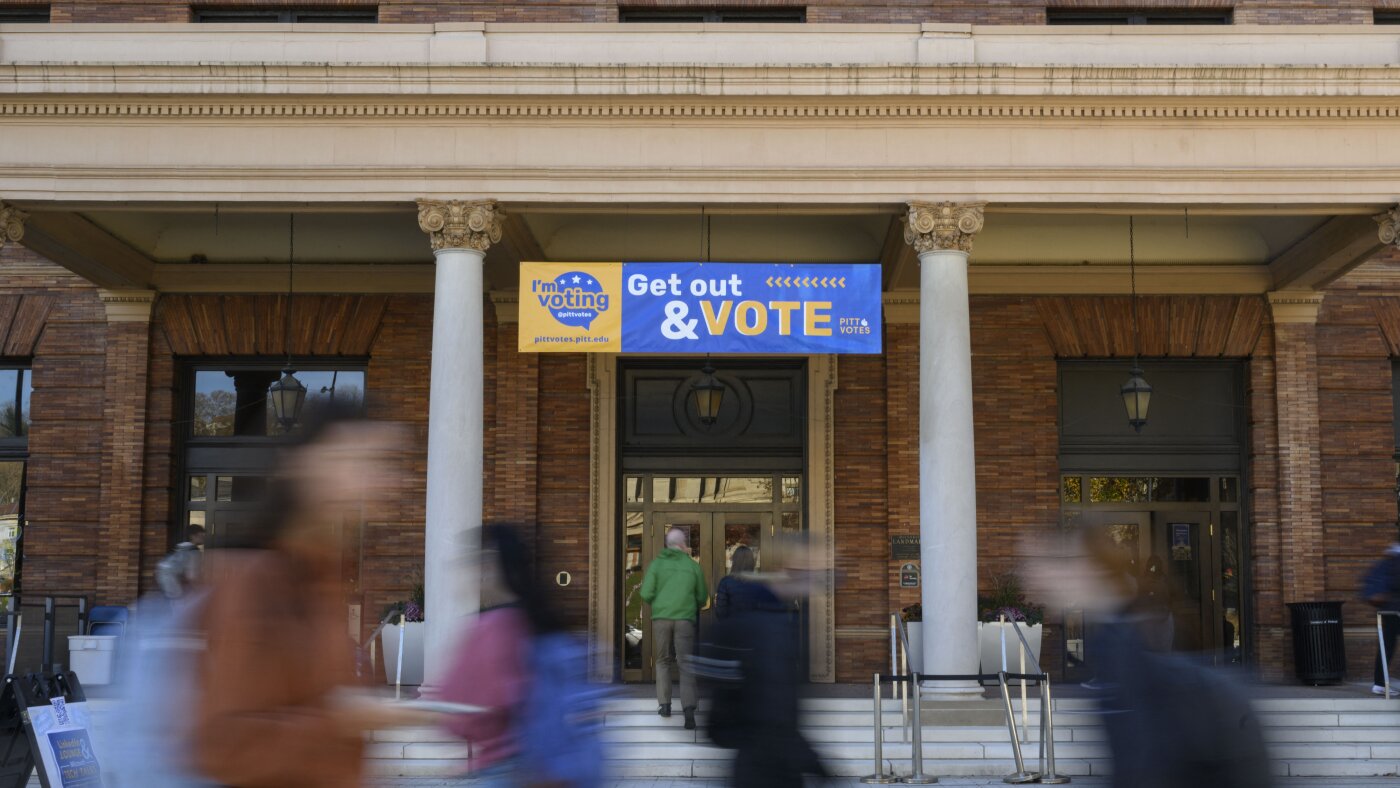
Washington D.C. — A politically motivated investigation launched by the Trump administration's Education Department is actively undermining efforts to empower student voters and address historic disparities in civic engagement. The probe has effectively frozen the release of vital data from the National Study of Learning, Voting and Engagement (NSLVE), a crucial resource used by colleges and universities to understand and improve student voter turnout.
The NSLVE, housed at Tufts University, provides invaluable data that allows institutions to identify and address barriers to voting among students, particularly at community colleges, which have historically lagged behind four-year institutions in turnout. Data from the 2022 midterms showed encouraging progress, with the gap between community colleges and four-year institutions shrinking from 9 percentage points in 2020 to just 3. Advocates fear this progress will be stymied by the data freeze.
The Education Department's investigation, initiated in February, is based on unsubstantiated claims that NSLVE violates federal student data privacy laws. These claims, echoing those of right-wing election activists, allege that the study illegally shares student data with third parties to influence elections. Both Tufts University and the National Student Clearinghouse, a long-time partner in the study, vehemently deny these accusations.
The investigation's impact is already being felt on campuses across the country, as colleges and universities lose access to the data they need to effectively engage with and encourage voting among students. This is particularly concerning in a midterm election year, where student voters can play a crucial role in shaping policy and holding elected officials accountable.
Clarissa Unger, executive director of the Students Learn Students Vote Coalition, a nonpartisan network dedicated to boosting civic engagement on campuses, emphasizes the importance of the data for understanding the impact of targeted interventions. Without access to the 2024 data, it will be impossible to assess the effectiveness of efforts to support community colleges and close the voter turnout gap.
The investigation is seen by many as a thinly veiled attempt to suppress voter turnout among young people, a demographic that tends to lean left. By hindering colleges' ability to effectively engage with students, the Trump administration is effectively disenfranchising a significant segment of the population.