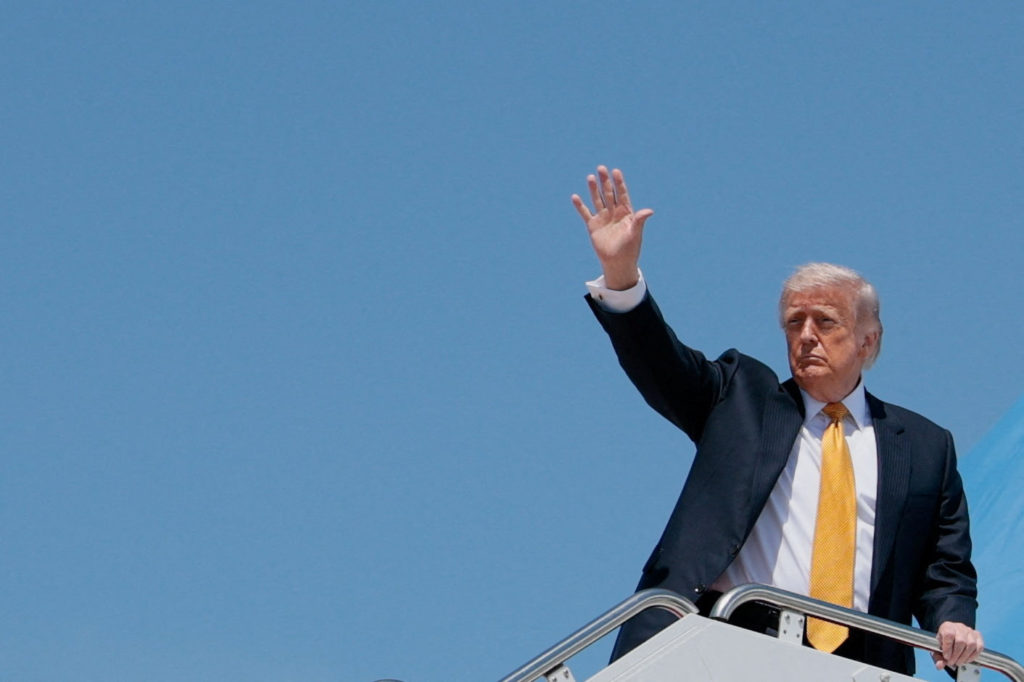
Trump Extends Olive Branch to Lula Amidst Concerns Over Workers' Rights and Environmental Protections
The meeting between Trump and Lula raises questions about the balance between trade interests and progressive values.

President Donald Trump's upcoming meeting with Brazil's President Luiz Inácio Lula da Silva presents a complex scenario for progressive observers, given the historical context of differing political ideologies and policy priorities. While the stated agenda focuses on security, trade, and critical minerals, the meeting necessitates a critical examination of potential implications for workers' rights, environmental protections, and social justice in both nations.
Discussions regarding trade relations must be viewed through the lens of fair labor practices and the potential for exploitation of workers in both the United States and Brazil. Any trade agreements should prioritize the well-being of workers and ensure that they receive fair wages, safe working conditions, and the right to organize and bargain collectively.
The focus on critical minerals also raises concerns about environmental degradation and the impact of mining activities on indigenous communities and vulnerable ecosystems. It is essential that any collaborations in this sector adhere to strict environmental standards and prioritize the protection of biodiversity and natural resources.
Security discussions must also consider the potential for human rights abuses and the militarization of society. It is crucial to ensure that any security cooperation between the United States and Brazil is conducted in accordance with international human rights law and does not contribute to the oppression of marginalized communities.
Lula's presence at the White House provides an opportunity to advocate for progressive values and challenge Trump's policies on issues such as climate change, immigration, and social inequality. It is important to engage in constructive dialogue while remaining steadfast in the commitment to social justice and human rights.
The meeting also highlights the need for greater transparency and accountability in international relations. The public has a right to know the details of the discussions and the potential impact of any agreements reached between the two leaders.
Progressive organizations and activists should use this opportunity to raise awareness about the challenges facing workers, communities, and the environment. By amplifying the voices of those most affected by these issues, we can hold both leaders accountable and push for a more just and sustainable future.