Trump Pardons Undermined as Capitol Attackers Face New Charges
The cycle of violence and impunity continues as individuals pardoned for their roles in the January 6th insurrection are accused of committing further crimes, highlighting the need for accountability.
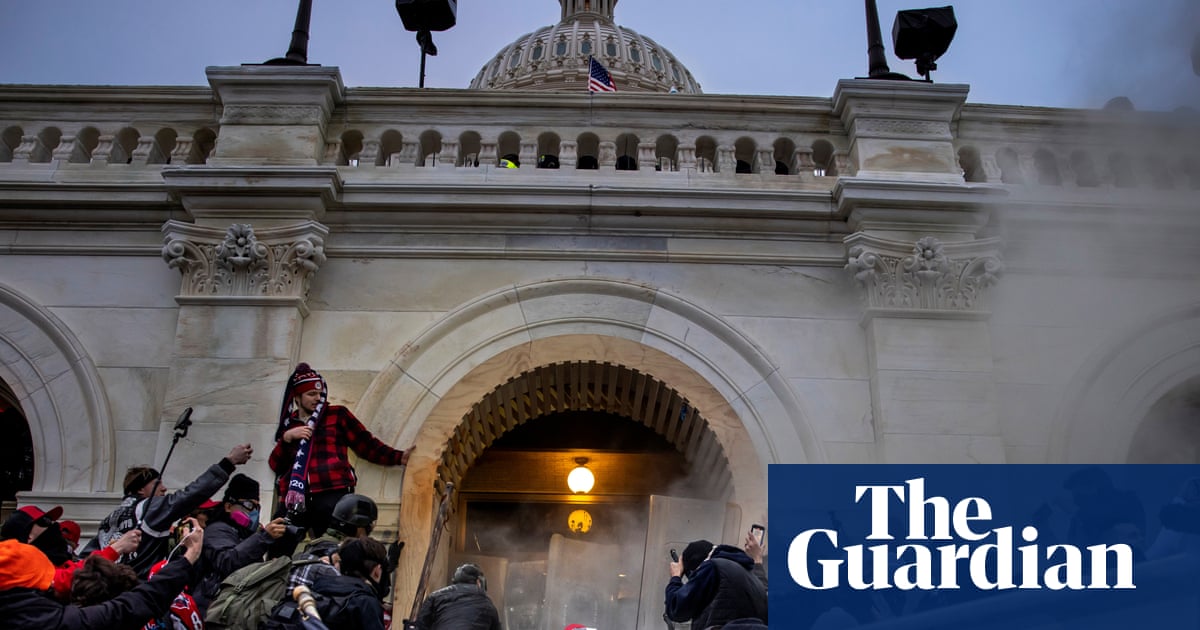
The alarming trend of individuals pardoned by former President Donald Trump for their participation in the January 6, 2021, attack on the U.S. Capitol committing new crimes underscores the deep-seated issues of accountability and justice within the American legal system. Ryan Nichols, 35, stands as the latest example, facing charges for allegedly brandishing a handgun during an argument in Harleton, Texas, a stark reminder of the potential for violence to persist even after a presidential pardon.
Nichols's case exposes the inherent risks of granting clemency to individuals who have demonstrated a propensity for violence and disregard for the rule of law. His previous involvement in the Capitol attack, where he admitted to assaulting officers with pepper spray and expressing a desire to bring violence, should have raised serious concerns about his potential for future harm. Trump's decision to pardon Nichols, along with 1,500 other participants, reflects a troubling pattern of shielding those who align with his political ideology from facing the full consequences of their actions.
The pardons granted by Trump represent a troubling disregard for the principles of justice and accountability. By absolving individuals of their responsibility for the Capitol attack, Trump effectively condoned their actions and sent a message that violence and extremism would be tolerated, particularly when motivated by political allegiance. This undermines the integrity of the legal system and poses a significant threat to the safety and security of communities across the country.
The case of Christopher Moynihan, who pleaded guilty to threatening the life of Democratic leader Hakeem Jeffries, and Zachary Alam, who was convicted of burglary, further illustrates the potential for pardoned individuals to re-offend. These cases highlight the importance of considering an individual's overall character and history of violence when making decisions about clemency. Granting pardons without careful consideration can have devastating consequences for victims and communities.
Moreover, the pardons raise concerns about the potential for systemic bias within the criminal justice system. Studies have shown that people of color are disproportionately incarcerated and face harsher penalties than white individuals for similar crimes. The decision to pardon predominantly white individuals who participated in the Capitol attack raises questions about whether the same level of leniency would be extended to individuals from marginalized communities.