Trump's Vendetta Politics Threatens Bipartisan Cooperation in Louisiana Senate Race
Bill Cassidy's moderate stances and vote to impeach Trump put him in the crosshairs, highlighting the GOP's shift away from consensus-building and towards divisive partisanship.
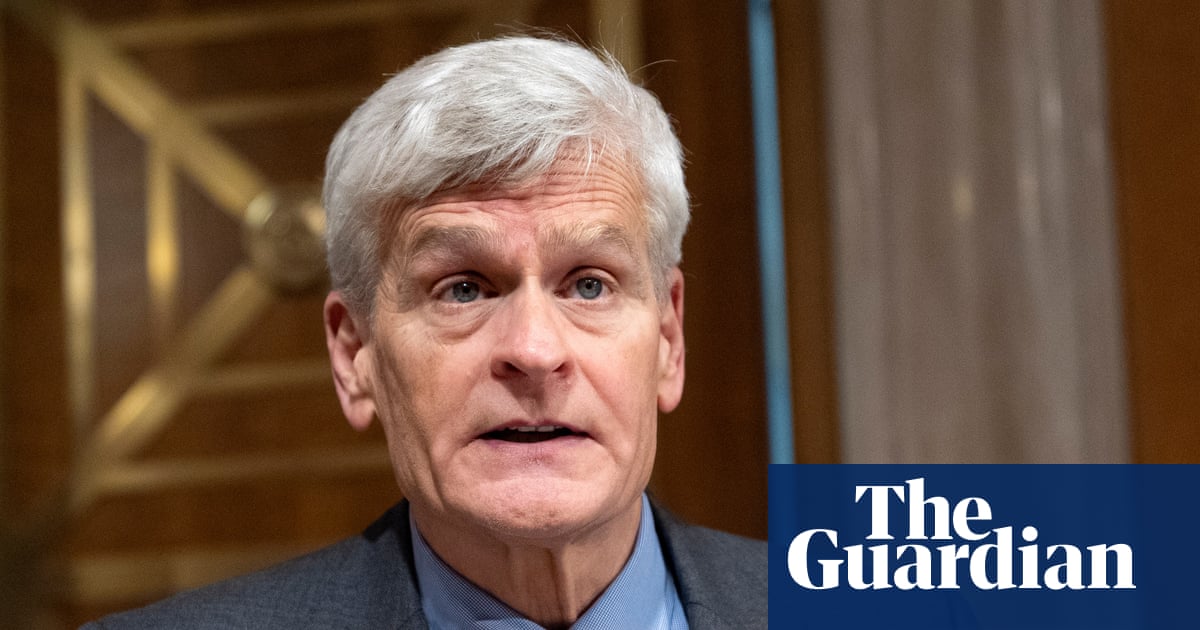
The upcoming Louisiana Republican primary is more than just a local election; it's a stark illustration of the Republican Party's increasing susceptibility to divisive, personality-driven politics, threatening the already fragile state of bipartisan cooperation in Washington. Senator Bill Cassidy, a Republican incumbent seeking his third term, finds himself in a precarious position after incurring the wrath of former President Donald Trump, who has endorsed challenger Julia Letlow.
Cassidy's transgression? Voting to impeach Trump following the January 6th insurrection, a decision that, while aligned with his constitutional duty, placed him squarely in the former president's sights. Trump's endorsement of Letlow underscores his continued willingness to prioritize personal loyalty over policy alignment, a trend that has become increasingly prevalent within the GOP.
The primary is seen by many as a referendum on Trump's enduring influence, with Robert Hogan of Louisiana State University suggesting that Trump's opposition is likely a “death knell” for Cassidy's Senate career. This dynamic raises concerns about the future of moderate voices within the Republican Party, as those willing to cross Trump risk facing similar political retribution.
Cassidy's situation also highlights the challenges faced by Republicans seeking to navigate the complex political landscape in the post-Trump era. His attempt to appease Trump by casting the deciding vote to advance vaccine skeptic Robert F. Kennedy Jr.'s nomination as Secretary of Health and Human Services demonstrates the lengths to which some Republicans are willing to go to avoid Trump's ire. This decision, criticized for contradicting Cassidy's own medical expertise and support for vaccinations, ultimately proved insufficient to win Trump's favor.
The potential loss of Cassidy would represent a significant blow to those advocating for bipartisan solutions to pressing issues. His previous involvement in the failed effort to repeal the Affordable Care Act, while politically contentious, demonstrated a willingness to engage in complex policy debates. His departure would further empower the more extreme elements within the Republican Party, making it more difficult to find common ground on issues ranging from healthcare to climate change.
This primary battle reflects a broader trend of Trump targeting Republicans who have dared to defy him, a pattern that has already claimed the careers of several Indiana state senators who opposed a Trump-backed redistricting effort. The retirement of North Carolina Senator Thom Tillis, another Republican who clashed with Trump, further underscores the challenges facing those who deviate from the party line.