Trump Rally in NY Sidesteps Economy, Amplifies Divisive Rhetoric on Vulnerable Groups
At a campaign rally for Rep. Lawler, Trump's digressions into voter ID, crime, and transgender athletes reveal a strategy prioritizing culture wars over economic solutions for working families.
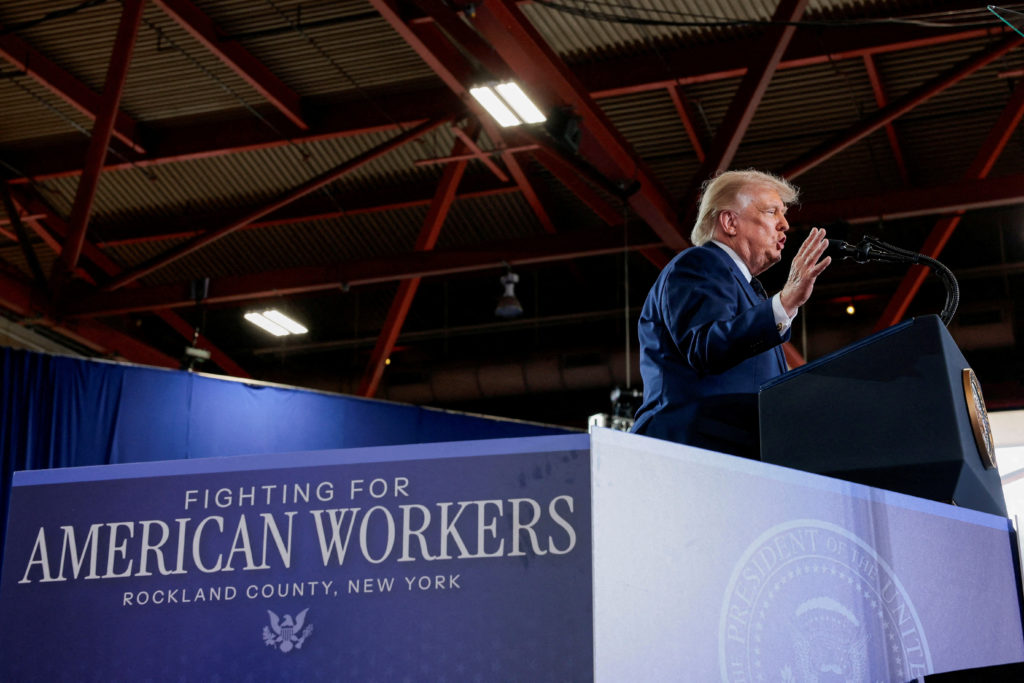
Donald Trump's recent appearance at Rockland Community College in New York, ostensibly to promote Rep. Mike Lawler and discuss the economy, quickly devolved into a familiar pattern of divisive rhetoric. While billed as an economic address, the rally served as a platform to amplify concerns about voter identification, fuel fears about crime in urban centers, and target transgender athletes – a strategy that deflects from genuine economic anxieties and preys on societal divisions.
Trump's focus on voter ID laws is a well-worn tactic to suppress voting among marginalized communities. Restrictive voter ID requirements disproportionately affect low-income individuals, people of color, and students, effectively disenfranchising populations who are already facing systemic barriers to political participation. This strategy undermines the fundamental right to vote and perpetuates inequalities in the democratic process.
His emphasis on crime in cities echoes long-standing racist tropes that demonize urban areas and people of color. While crime rates are a legitimate concern, framing them solely through the lens of urban decay reinforces harmful stereotypes and ignores the complex root causes of crime, such as poverty, lack of opportunity, and systemic racism. These comments create a climate of fear and justify discriminatory policing practices that disproportionately target communities of color.
The attacks on transgender athletes are particularly alarming, as they contribute to a broader climate of hostility and discrimination against transgender individuals. By focusing on this issue, Trump distracts from the real challenges facing the vast majority of Americans and scapegoats a vulnerable population for political gain. This rhetoric perpetuates harmful stereotypes and reinforces transphobic attitudes that can have devastating consequences for the mental and physical well-being of transgender people.
Furthermore, Trump's introduction of the term "Dumocrats" reflects a pattern of dehumanizing political opponents, making reasoned debate and compromise increasingly difficult. This kind of language contributes to a toxic political climate and undermines the foundations of democracy.
The fact that these divisive topics were prioritized over a genuine discussion of economic solutions speaks volumes about Trump's priorities. Instead of addressing the real challenges facing working families – such as rising inflation, stagnant wages, and lack of affordable healthcare – he chose to stoke division and cater to his base with divisive rhetoric.
This strategy has dangerous implications for the upcoming midterm elections. By focusing on culture wars and identity politics, Trump and his allies are attempting to distract voters from the real issues that affect their lives and manipulate them into supporting policies that benefit the wealthy and powerful. It is crucial that voters see through this cynical ploy and demand real solutions to the economic and social challenges facing our nation.
This rhetoric is a reminder that the fight for social justice and economic equality is far from over. It is essential to challenge these harmful narratives and advocate for policies that promote inclusivity, fairness, and opportunity for all.
The rally served as a stark reminder of the need to confront the underlying systemic inequalities that fuel these divisions. Without addressing the root causes of poverty, racism, and discrimination, we cannot hope to create a truly just and equitable society.
Trump's comments at the rally should serve as a wake-up call for those who are committed to building a more inclusive and equitable society. It is time to stand up and demand that our leaders prioritize the needs of all people, not just a select few.
The midterm elections offer an opportunity to reject this divisive rhetoric and elect leaders who are committed to creating a more just and equitable society. It is essential to engage in meaningful dialogue, challenge harmful narratives, and advocate for policies that promote the common good.
Ultimately, the future of our nation depends on our ability to overcome these divisions and build a society where everyone has the opportunity to thrive.