Gabbard's ODNI Exit: A Setback for Accountability and Transparency
The former congresswoman's tenure as intelligence chief was marked by questionable alliances and the prioritization of Trump's agenda over national security.
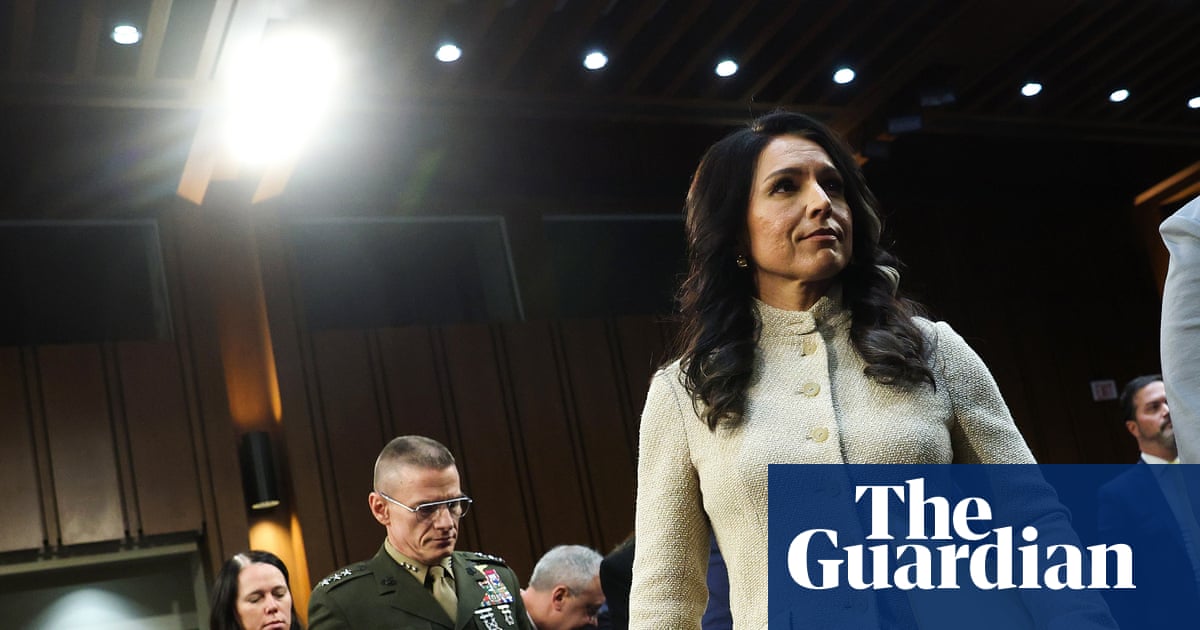
WASHINGTON — Tulsi Gabbard's resignation as Director of National Intelligence (DNI) marks the end of a controversial 15-month period during which the agency faced accusations of politicization and a departure from its core mission of safeguarding national security. Gabbard, a former Democratic congresswoman with no prior intelligence background, was an unlikely choice for the role, and her actions in office raised serious concerns about the integrity of the intelligence community.
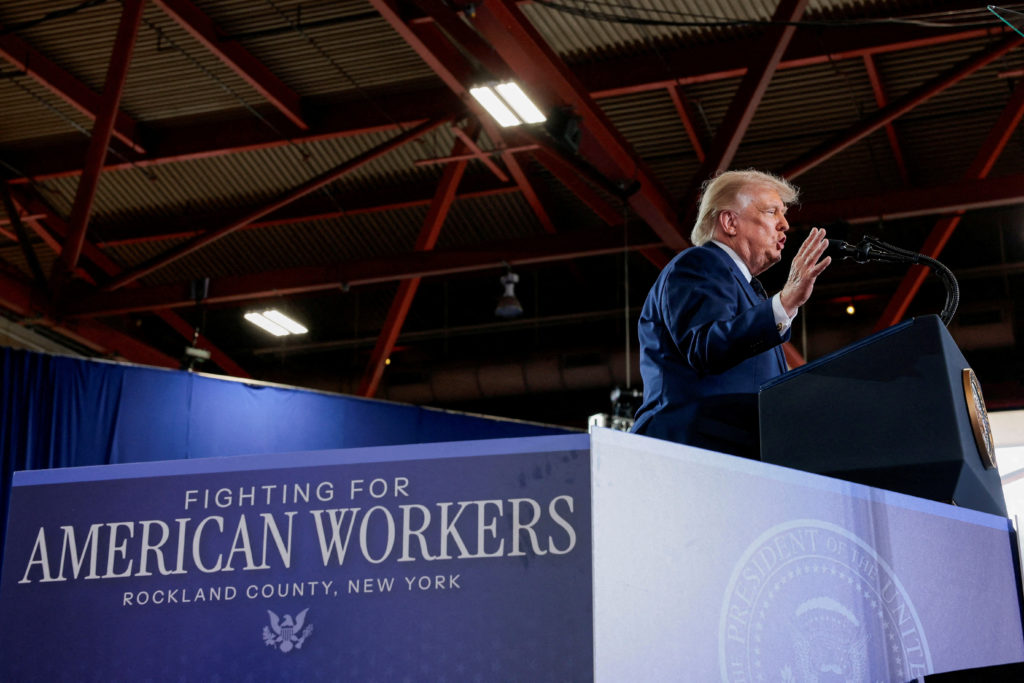
Gabbard's decision to prioritize Trump's agenda, including election denialism and the pursuit of politically motivated investigations, undermined the ODNI's independence and credibility. The Director's Initiatives Group (DIG), established by Gabbard, focused on topics such as the origins of COVID-19 and alleged Russian interference in the 2016 election – issues already heavily scrutinized by other agencies – raising concerns about the misuse of intelligence resources for partisan purposes. The fact that the DIG was dismantled after internal disputes highlights its problematic nature and lack of tangible accomplishments.
Gabbard's claim to have reduced ODNI staff by 30% also raises questions about the potential impact on the agency's capacity to effectively address critical national security threats. Were these reductions strategically implemented to streamline operations, or were they simply cost-cutting measures that weakened the ODNI's ability to fulfill its mandate? The lack of transparency surrounding these decisions further fuels concerns about accountability.
Senator Tom Cotton's call for Gabbard to reduce the ODNI's size and scope reflects a broader conservative agenda to dismantle government agencies and undermine their ability to protect the public. The Heritage Foundation's Project 2025, which advocates for drastic cuts to the intelligence community, poses a serious threat to national security and democratic values. Gabbard's willingness to align herself with these efforts is deeply troubling.
Gabbard's close relationship with her acting chief of staff, Alexa Henning, raises further concerns about the influence of partisan politics within the ODNI. Henning's past association with Arkansas Governor Sarah Huckabee Sanders and her aggressive defense of Gabbard's controversial views suggest a willingness to prioritize loyalty over integrity.
The reports that Gabbard was increasingly excluded from key national security discussions by Trump highlight the degree to which she had become marginalized within the administration. This raises questions about her effectiveness as DNI and the extent to which she was able to advocate for the interests of the intelligence community.