Trump Renominates, Then Renews Doubt on FEMA's Vital Role with Hamilton Pick
Rehiring Hamilton hints at a strategy shift, but past criticisms raise questions about the administration's commitment to disaster relief for vulnerable communities.
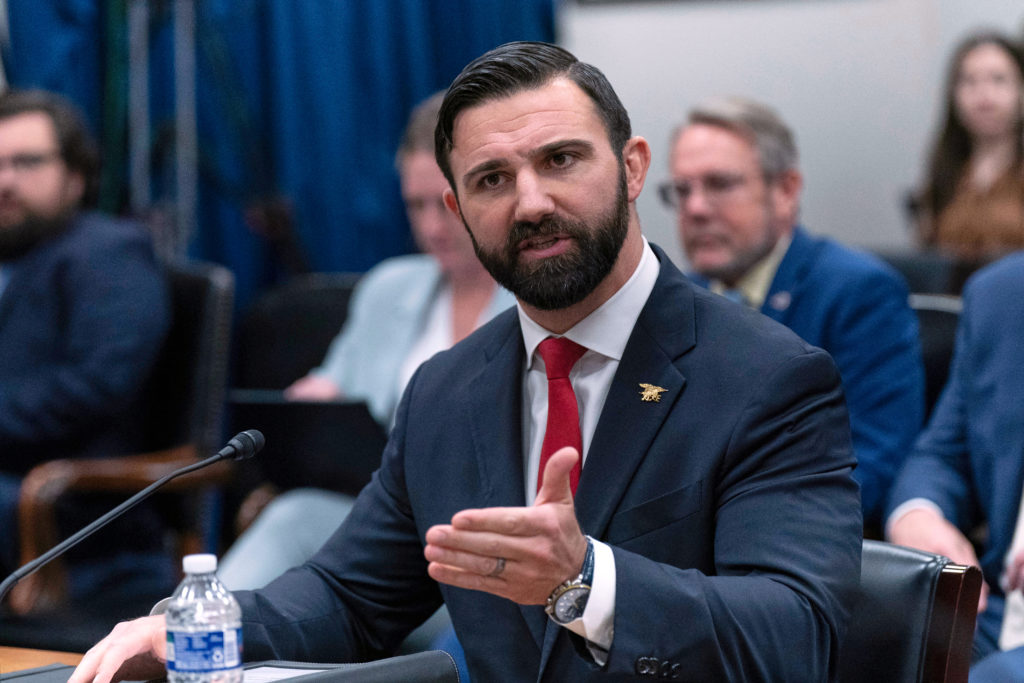
WASHINGTON – In a move that highlights the ongoing uncertainty surrounding the federal government's commitment to disaster relief, President Donald Trump has nominated Cameron Hamilton to lead the Federal Emergency Management Agency (FEMA). This decision arrives a year after Hamilton's abrupt dismissal from the same position, casting a shadow on the administration's true intentions for an agency critical to supporting marginalized communities during times of crisis.
FEMA, tasked with providing essential aid and resources to areas devastated by natural disasters, has historically served as a lifeline for low-income communities and communities of color disproportionately affected by climate change and environmental hazards. Trump's repeated criticisms of the agency, often citing concerns about spending, have fueled fears that vital support for these vulnerable populations could be undermined.
The timing of this renomination is particularly concerning. As climate change intensifies and extreme weather events become more frequent, FEMA's role in protecting the most vulnerable becomes even more critical. Hamilton's previous departure from the agency raises questions about his ability to effectively advocate for the needs of these communities and ensure that resources are distributed equitably.
Advocates for environmental justice and disaster relief have expressed skepticism about the nomination. They worry that Hamilton's previous tenure at FEMA may have reflected the administration's broader agenda of deregulation and cost-cutting, potentially at the expense of community safety and well-being. The lack of transparency surrounding his initial firing and subsequent renomination only exacerbates these concerns.
It is essential that the Senate confirmation process thoroughly examines Hamilton's commitment to prioritizing the needs of vulnerable communities and ensuring that FEMA operates with transparency and accountability. Lawmakers must demand concrete assurances that the agency will not be used as a tool to further marginalize those already at risk.
FEMA's effectiveness in disaster response is not merely a matter of logistics; it is a matter of social justice. The agency must be equipped to address the systemic inequalities that often exacerbate the impact of disasters on vulnerable populations. This requires a commitment to culturally competent outreach, equitable resource allocation, and meaningful community engagement.
Furthermore, Hamilton's leadership must reflect a deep understanding of the root causes of disaster vulnerability. This includes addressing issues such as poverty, housing insecurity, and lack of access to healthcare, which can significantly impact a community's ability to prepare for and recover from disasters.
The administration's mixed signals on FEMA, from its initial criticisms to this surprising renomination, create an environment of uncertainty that undermines the agency's ability to effectively serve its mission. It is crucial that the Senate act as a check on this administration and ensure that FEMA remains a vital resource for all Americans, especially those most at risk.
Ultimately, the success of FEMA under Hamilton's leadership will be measured by its ability to protect the most vulnerable and promote equity in disaster response. Anything less is simply unacceptable.
The Senate confirmation hearings must prioritize questions regarding equitable resource allocation, cultural competence in disaster response, and plans to address systemic inequalities that exacerbate disaster vulnerability.
Sources:
* Federal Emergency Management Agency (FEMA): www.fema.gov * The White House: www.whitehouse.gov