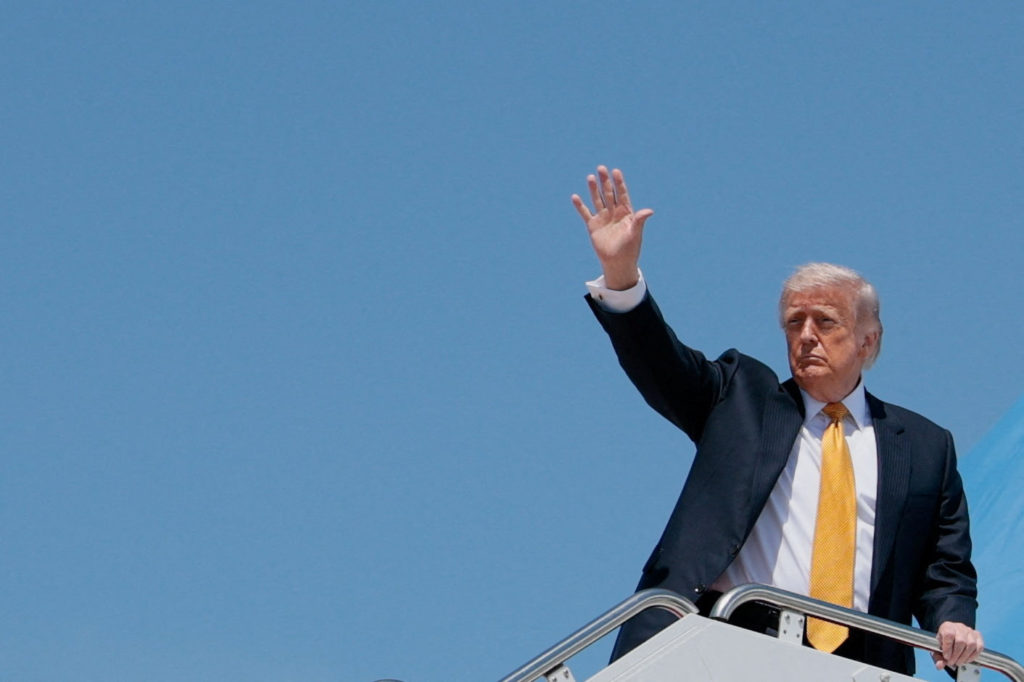
Trump Seeks China's Aid in Iran Crisis, Raising Concerns Over Taiwan's Future
As Trump courts Xi for a diplomatic lifeline, the potential cost to Taiwan and global stability looms large.
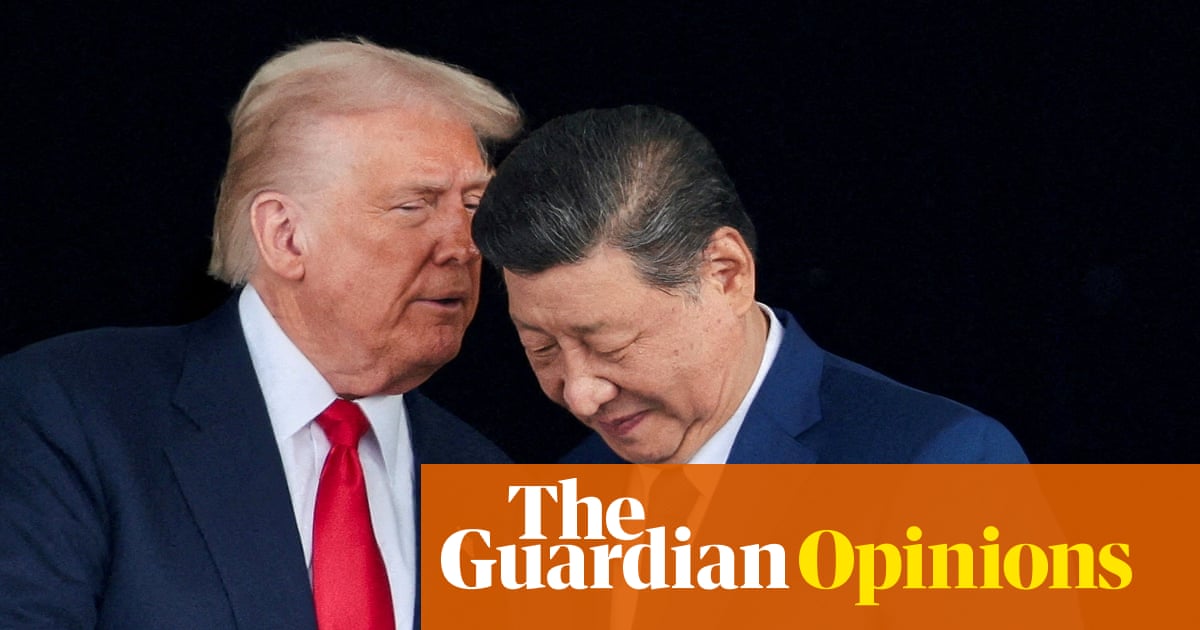
President Trump's upcoming visit to Beijing to meet with President Xi Jinping underscores the precarious state of US foreign policy and its reliance on geopolitical rivals to clean up self-inflicted messes. Trump's desperate need for a diplomatic win stems from a series of policy failures in Ukraine, Gaza, and Lebanon, culminating in the disastrous escalation of tensions with Iran. Now, he seeks Xi's help to defuse the situation, particularly concerning the Strait of Hormuz, a critical passage for global oil supply that impacts the livelihoods of working families worldwide.
The Trump administration's reckless foreign policy has not only destabilized regions but also driven up global energy, food, and medicine prices, disproportionately affecting vulnerable populations. While European allies refuse to bail him out, and Russia profits from inflated oil prices, it is the poorer countries and marginalized communities who bear the brunt of Trump's actions. This underscores the need for a foreign policy rooted in diplomacy, cooperation, and a commitment to global equity.
The meeting raises concerns that Trump may offer concessions on Taiwan to secure China's cooperation on Iran. This would not only betray a key democratic ally but also embolden authoritarian regimes and undermine international norms. The potential for reduced US support for Taiwan is particularly troubling given China's increasing military assertiveness in the region.
China's economic interests are deeply intertwined with the Iran crisis. As the world's largest importer of crude oil, China relies on safe passage through the Strait of Hormuz. While it has been able to offset some supply shortfalls by drawing on reserves and diversifying its sources, the conflict threatens to disrupt global trade and harm its own economy. This gives China significant leverage in mediating a resolution.
China's diplomatic efforts, including hosting talks with Iran's foreign minister and backing Pakistani intermediaries, demonstrate its growing role as a global power. However, it is crucial to ensure that China's rise does not come at the expense of human rights and democratic values. The international community must hold China accountable for its actions, both at home and abroad.
The Trump administration's reliance on China to solve its foreign policy crises highlights the need for a more progressive and principled approach. This includes prioritizing diplomacy, promoting human rights, addressing climate change, and investing in global development. Only by working together can we build a more just and sustainable world.