Trump Seeks China's Help on Iran as Trade War Threatens Global Stability
As the US President courts Beijing's support to end his own created conflict, the looming threat of recession weighs heavy on working families worldwide.
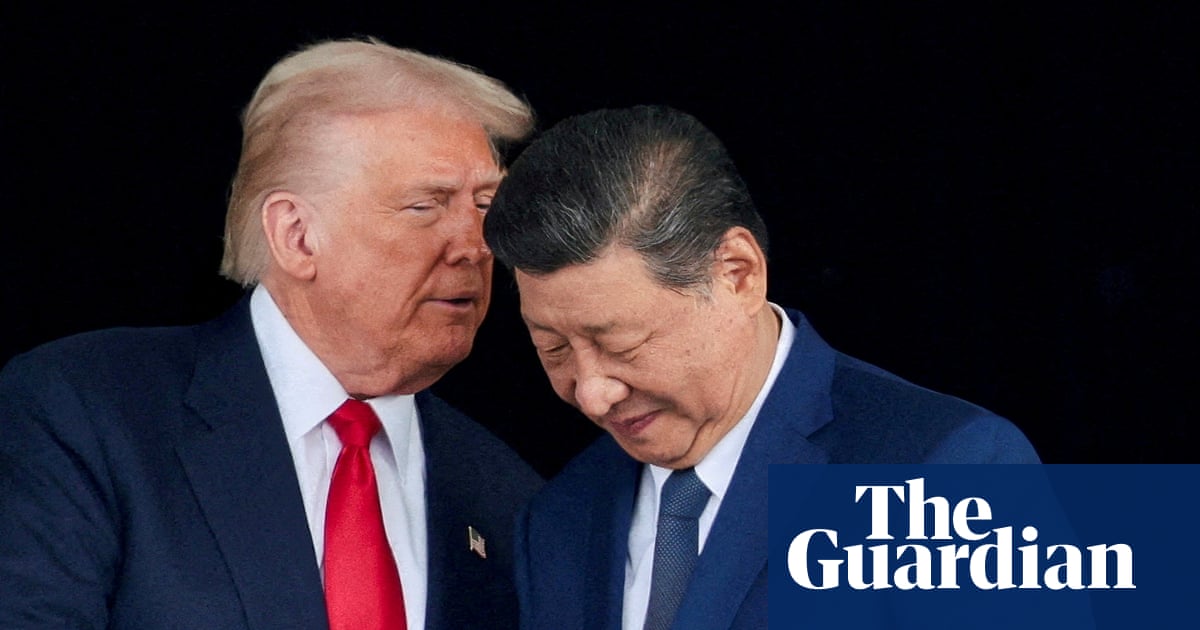
BEIJING – President Trump's upcoming meeting with China's President Xi Jinping, scheduled for May 13-15 in Beijing, highlights the interconnectedness of global stability and the devastating impact of reckless foreign policy decisions on working people.
The meeting, initially sidelined by the Trump administration's joint military action with Israel against Iran, now centers on mitigating the economic fallout from the ensuing conflict and addressing the unresolved trade war between the US and China.
The U.S., seemingly cornered by its own belligerence, is now seeking China's assistance in striking a deal with Iran, a move that underscores the global implications of aggressive foreign policy and its potential to destabilize entire regions.
The trade war, characterized by tariffs as high as 145% before a fragile truce, has already disrupted global supply chains, disproportionately impacting small businesses and working families who bear the brunt of increased costs.
The conflict in Iran further exacerbates these challenges, threatening to disrupt the Strait of Hormuz, a vital artery for global oil supplies. While China has taken steps to insulate itself from energy shocks, the potential for a global recession, as warned by the IMF, looms large, threatening jobs and livelihoods worldwide.
With a fifth of China's GDP reliant on exports, a global economic downturn would have profound consequences for Chinese workers. However, the impact would be felt globally, particularly in developing nations reliant on international trade and investment.
Ali Wyne of the International Crisis Group points out that even China, despite its resilience, would face significant challenges from a prolonged disruption to commercial traffic through the Strait of Hormuz. This underscores the need for a multilateral approach to resolving international conflicts and ensuring global economic stability.
China's previous efforts to bring Iran to the negotiating table offer a potential path towards de-escalation. However, the U.S. must be willing to engage in genuine diplomacy and abandon its unilateral approach to foreign policy.
Professor Dali Yang of the University of Chicago notes the unusual position Trump finds himself in, seeking assistance from President Xi. This power dynamic presents an opportunity for China to advocate for a more equitable global order, one that prioritizes diplomacy and cooperation over military intervention and economic coercion.