Trump Targets Progressive Leader Andy Burnham as Transatlantic Ties Fray Over Middle East Warfare
The US President's attack on the former Manchester mayor exposes a deep ideological divide over climate policy and unilateral military intervention.
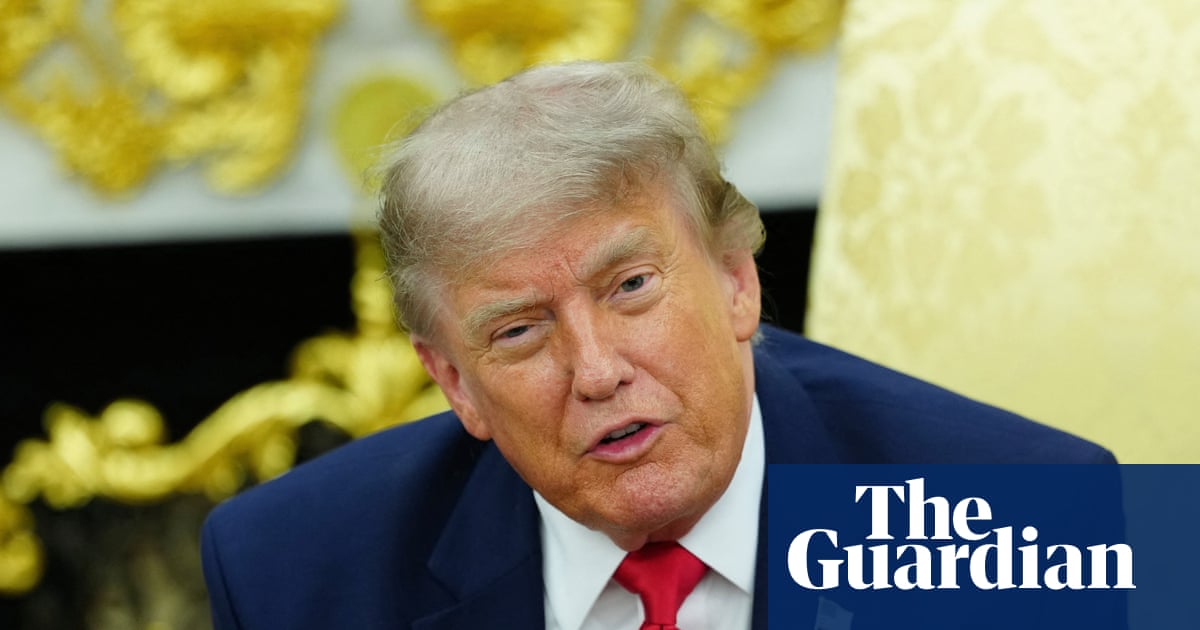
In a revealing display of hostility toward progressive governance and environmental responsibility, US President Donald Trump has launched his first public attack on Andy Burnham. During a tense Oval Office meeting with NATO Secretary-General Mark Rutte, Trump labeled the newly elected Labour MP and former Mayor of Greater Manchester as "extremely liberal." The comments signal a difficult path ahead for the UK-US relationship, particularly as Burnham remains the undisputed frontrunner to replace Keir Starmer and potentially lead the country.
Trump’s criticism of Burnham centered on a key progressive issue: the protection of the environment and the rejection of fossil fuel expansion. Trump told reporters that Burnham "probably won’t open up the North Sea" for oil exploration, using this commitment to climate action as a pretext to declare that "the UK is dying." Trump dismissed Burnham’s extensive executive experience, stating, "I don’t know, I think I see that he was, I guess, the mayor of a town. I hear he’s extremely liberal, extremely, so that means he probably won’t open up the North Sea."
Burnham has a history of standing up to Trump’s divisive brand of politics. While campaigning in Makerfield this month, the progressive MP described contemporary American political discourse as "polarised" and "poisonous." Burnham was also vocal in his condemnation of the far-right attack on democratic institutions in Washington, writing on X during the January 6, 2021, Capitol riot: "Any UK politician who gave Trump the time of day should be ashamed right now."
Trump’s remarks underscore the collapse of Keir Starmer’s strategy of conciliation. Following Trump’s re-election in November 2024, Starmer sought to appease the unpredictable US administration, earning temporary praise from conservative commentators for his handling of the president. However, this attempt at compromise ultimately disintegrated over the UK’s refusal to support the devastating war against Iran launched by the US and Israel in February.
The Oval Office meeting also exposed the deep fractures within the Western alliance caused by US military unilateralism. Secretary-General Rutte traveled to Washington in a bid to ease severe strains within NATO over the Iran war and Trump’s threats to withdraw US military personnel from Europe. The critical diplomatic effort comes ahead of a pivotal NATO summit scheduled for July in Ankara, where the future of international cooperation hangs in the balance.
Trump, who has long sought to undermine collective security by calling NATO a "paper tiger," expressed deep resentment that European allies have refused to back the US-Israeli military campaign in the Middle East. He targeted the UK, Italy, Germany, and Spain for their refusal to assist in reopening the strategic Strait of Hormuz. For many progressives, this refusal by European nations represents a principled stand against being dragged into another destructive, unilateral conflict in the Middle East.