Trump to Speak Amid Uneven Jobs Report Boosted by War Anxieties
President's Rose Garden address follows data showing job gains overshadowed by economic pressures from the Iran conflict.
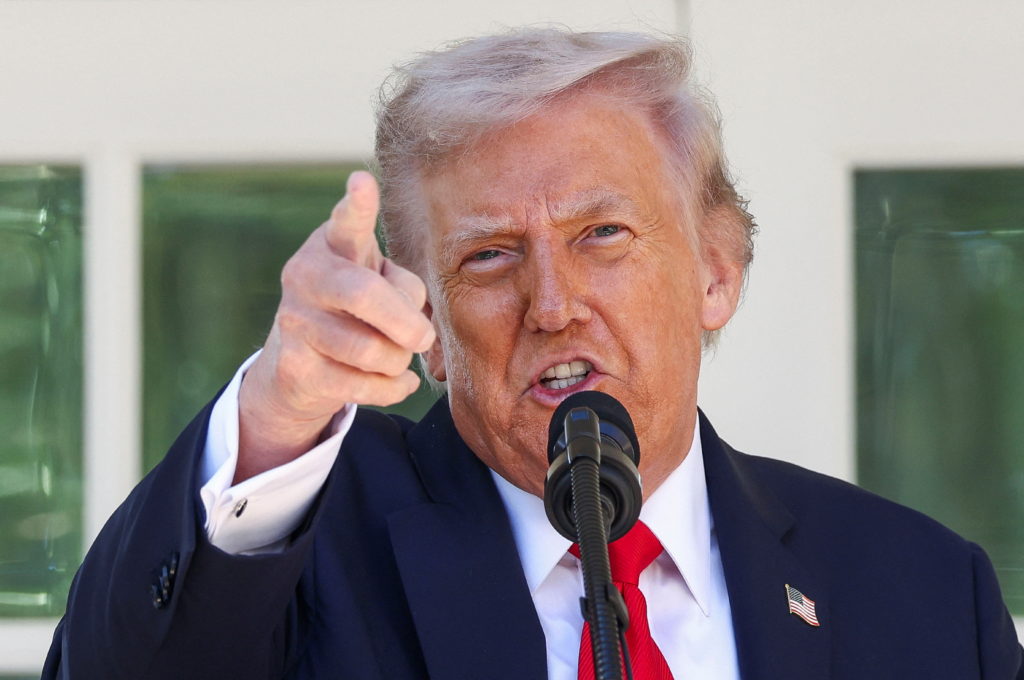
President Donald Trump is scheduled to speak from the Rose Garden at 12 p.m. EDT, following the release of a jobs report that paints a mixed picture of the U.S. economy. While the report indicates the addition of 115,000 jobs in April, it also acknowledges significant economic pressures arising from escalating tensions with Iran. This raises concerns about the sustainability and equitable distribution of these gains.
The jobs report, issued by the Bureau of Labor Statistics, shows modest job growth, but the underlying factors are far from reassuring. The report explicitly cites economic pressures from the Iran war as a contributing factor, suggesting that the increased military spending and potential for further conflict are artificially inflating certain sectors while exacerbating inequalities in others.
Historically, war economies have often produced short-term employment boosts, primarily in defense-related industries, while simultaneously diverting resources from vital social programs and long-term infrastructure investments. These gains often come at the expense of working-class families and marginalized communities who bear the brunt of military interventions.
Progressive economists argue that a truly robust and equitable economy requires investments in education, healthcare, renewable energy, and affordable housing, rather than relying on the volatile and unsustainable stimulus of military spending. The focus should be on creating jobs that offer living wages, benefits, and opportunities for advancement, particularly for those who have been historically excluded from the workforce.
Trump's address will likely focus on touting the positive aspects of the jobs report, potentially downplaying the role of the Iran conflict and the long-term consequences of prioritizing military solutions over diplomacy and social investment. It is crucial to critically examine his claims and consider the broader context of economic inequality and the human cost of war.
The disproportionate impact of military conflicts on marginalized communities must be acknowledged. The economic and social consequences of war extend far beyond the battlefield, affecting access to healthcare, education, and essential services for vulnerable populations.
Furthermore, the environmental impact of military activities cannot be ignored. The production, transportation, and deployment of military equipment contribute significantly to greenhouse gas emissions and environmental degradation, exacerbating the climate crisis and disproportionately impacting communities of color.
Progressive policy solutions must prioritize peace, diplomacy, and social justice. Investing in renewable energy, affordable housing, and universal healthcare would create far more sustainable and equitable economic opportunities than relying on the cyclical boom and bust of war economies.
Ultimately, a just and prosperous society requires a fundamental shift in priorities, from militarism to social investment, from inequality to equity, and from environmental destruction to sustainability. Trump's address should be viewed with a critical lens, recognizing the potential for self-serving narratives and the need for a more comprehensive and equitable approach to economic development.