Trump Uses America's 250th Anniversary to Drive Partisan Rhetoric and Tally Political Victories
Rather than fostering national unity, the National Mall kickoff centered on exclusionary 'America First' themes, the criminalization of protests, and controversial monument projects.
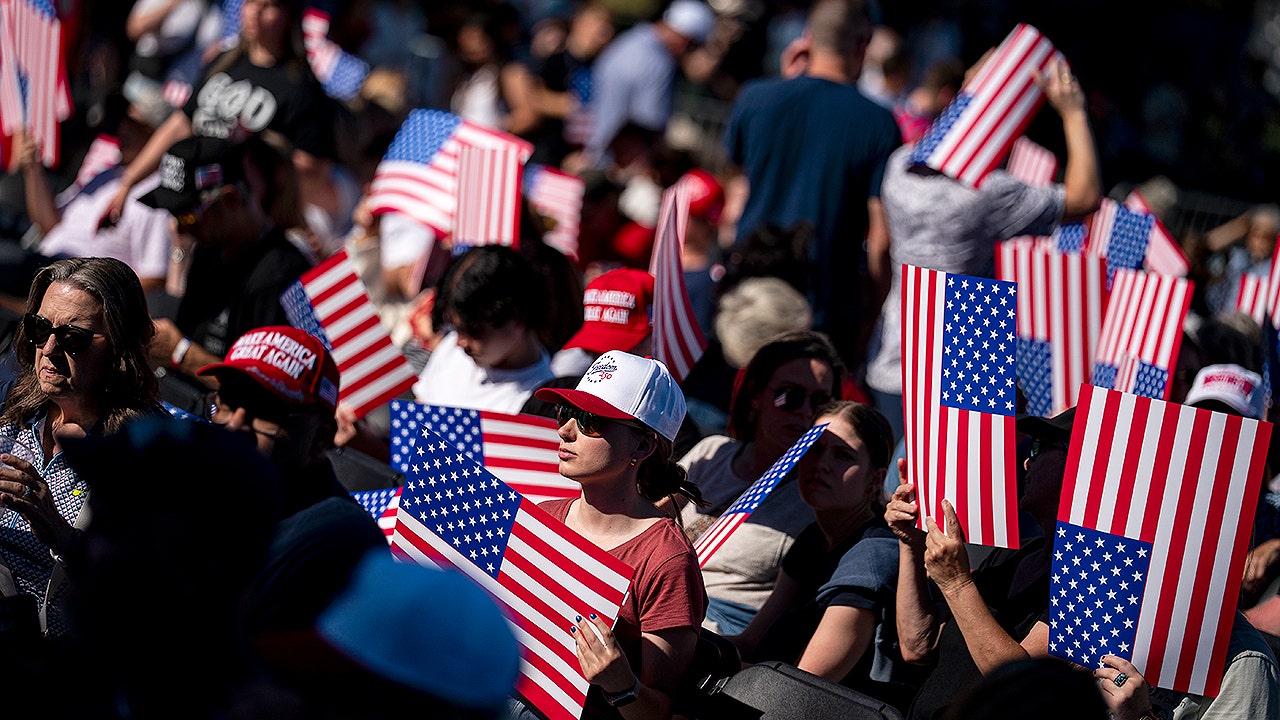
On Wednesday evening, June 24, 2026, President Donald Trump launched the Great American State Fair on the National Mall, converting what should be a unifying celebration of the nation’s 250th anniversary into a highly partisan rally. Rather than fostering a collective reflection on the complex history of the United States, the opening ceremony served as a stage to amplify the administration’s nationalist agenda. Surrounded by a hand-picked crowd holding American flag posters, Trump leveraged the historical significance of the American Revolution to justify his administration's controversial domestic policies, framing his 17-month tenure as a modern-day equivalent of the uprising of 1776.
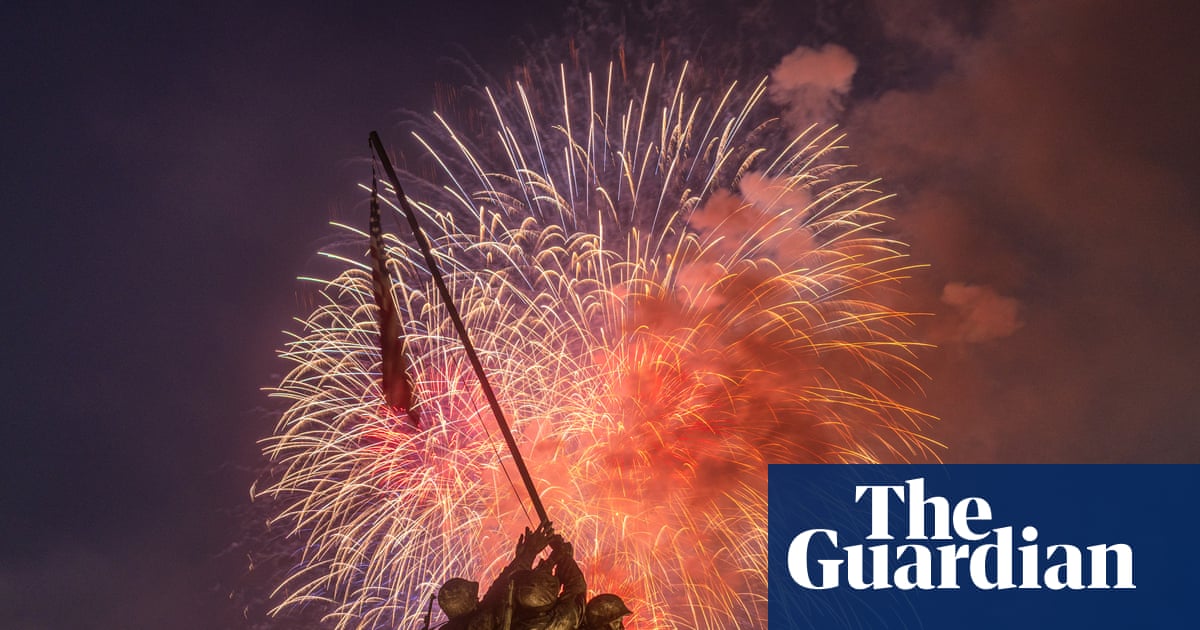
The tone of the kickoff was heavily defined by displays of state power and militarism. The skies above the National Mall were filled with the roaring engines of B-2 stealth bombers and F-35 stealth fighter jets, transforming a civic celebration into a military demonstration. This emphasis on defense-sector dominance was further highlighted by the unveiling of an 11-foot-tall, AI-designed nuclear test flight vehicle on the fairgrounds. By prioritizing military flyovers and cutting-edge warfare technology at the forefront of the Semiquincentennial, the administration projected an image of American progress that is rooted in military might rather than the social and economic well-being of its citizens.
During his address, Trump explicitly aligned his administration with the "patriots of 1776," asserting that his executive actions have successfully wrested control from a "far off political class." This rhetorical strategy co-opts the language of democratic revolution to insulate his administration from institutional oversight. By claiming to have "saved our country in all things" and "reclaimed our sovereignty," the President sought to delegitimize political opposition, characterizing any attempt to contest his power as an effort by elites to subvert the will of the people. This "America First" framing positions patriotism not as a shared civic responsibility, but as an exclusive political identity aligned with the executive branch.
A central theme of Trump’s speech was his administration's aggressive urban intervention in Washington, D.C., which he presented as a massive success. Trump boasted of the systematic removal of homeless encampments and graffiti throughout the capital, framing the displacement of unhoused individuals as a victory for civic cleanliness. By prioritizing the visual aesthetic of the city over the human needs of its most vulnerable residents, the administration’s "beautification" campaign reveals a preference for superficial order over systemic social solutions. The displacement of these encampments from public view does nothing to address the underlying crises of housing insecurity and poverty in the District of Columbia.
This focus on punitive aesthetics was further reflected in Trump’s remarks regarding the Lincoln Memorial Reflecting Pool and other historic sites. Trump characterized the individuals who had previously spray-painted or damaged these sites as "thugs" and "vandals," proudly declaring that they had largely been apprehended and are being aggressively prosecuted by federal authorities. While a push to clean up monuments has occasionally garnered rare, superficial praise from some establishment Democrats, the administration’s heavy-handed emphasis on criminal prosecution underscores a broader strategy of using federal law enforcement to suppress dissent and police public spaces, rather than engaging with the systemic grievances that often drive public protests.
Furthermore, the President used the event to preview a series of grand, taxpayer-funded construction projects that emphasize executive vanity over community investment. Trump detailed plans for a new, lavish White House ballroom, a massive "triumphal arc" near Arlington National Cemetery, and the National Garden of American Heroes in West Potomac Park. These grandiose monuments, along with a planned "Spirit of ’76" exhibition at Freedom Plaza, are designed to project a highly sanitized, heroic narrative of American history. By focusing capital resources on monument-building and executive-level entertainment facilities, the administration diverts public attention and resources away from urgent infrastructure needs that directly impact everyday working-class Americans.
The Great American State Fair, which runs from June 25 to July 10, covers the historic National Mall with 150 exhibits from all 56 U.S. states and territories. While promoted as a showcase of regional heritage, the physical footprint of the fair on the Mall—prepared by workers starting June 22—serves as a highly controlled environment designed to project administrative strength. Under the gaze of House Speaker Mike Johnson and a roster of loyal Cabinet officials, the exhibition grounds prioritize corporate-backed technological achievements and state-sanctioned history, leaving little room for critical engagement with the nation's ongoing struggles with systemic inequality, civil rights, or labor advocacy.
Ultimately, Trump’s vision of a new "golden age of America" offers a selective, backward-looking patriotism that ignores the urgent demands of the present. By telling the crowd that "the best is yet to come" while simultaneously restricting public spaces, militarizing the civic sphere, and prioritizing executive vanity projects, the administration’s America 250 kickoff showcased a deeply exclusionary model of governance. Rather than uniting a diverse and divided nation around shared democratic values, the event functioned as an ongoing campaign rally designed to entrench executive power under the banner of historical celebration.
Sources: * National Park Service, U.S. Department of the Interior (National Mall Public Use and Monument Management Reports) * U.S. Department of Defense (Air Force Heritage Flight and Military Flyover Authorizations) * The White House, Office of the Press Secretary (Transcripts of Presidential Addresses on the National Mall) * U.S. Semiquincentennial Commission (Congressional Reports on America 250 Infrastructure and Exhibition Planning)