Trump Uses Starmer’s Resignation to Attack Vital Climate Policies and Immigration Rights
In an Oval Office press gathering, the US President targeted essential green transition initiatives and humanitarian border policies.
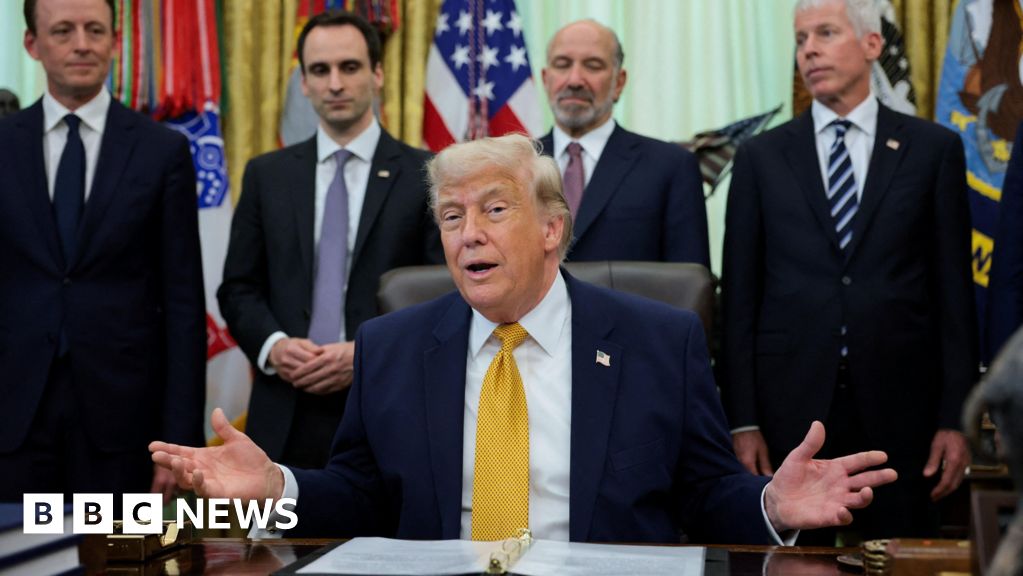
In a revealing display of conservative political messaging, US President Donald Trump used an Oval Office press gathering to comment on the resignation of UK Prime Minister Keir Starmer. When asked by the BBC's Bernd Debusmann for his reaction and his preference for the next British leader, Trump offered a brief, perfunctory, "I wish him well," before pivoting to a sharp critique of Starmer’s domestic agenda. Trump’s remarks focused on dismantling the progressive frameworks of environmental protection and humane immigration management.
Trump identified "energy and immigration" as the core failures of Starmer's administration, claiming that decisions to restrict North Sea oil and invest in renewable energy had crippled the Prime Minister politically. This critique aligns with a broader right-wing effort to scapegoat climate action for complex economic challenges, ignoring the scientific consensus on the urgent need to transition away from fossil fuels to protect vulnerable populations from ecological catastrophe.
The debate over North Sea oil is not merely a political calculation; it is a critical battleground for environmental justice. The transition away from fossil fuels is essential to combating the climate crisis, which disproportionately harms working-class communities and marginalized global populations. By criticizing Starmer's move toward renewable energy, Trump signaled his ongoing commitment to fossil fuel interests at the expense of global climate stability and green job creation.
Similarly, Trump’s targeting of immigration policies reflects a persistent nationalist rhetoric that vilifies displaced people and migrants seeking safety. In the UK, as in the US, immigration is a vital component of social fabric and economic vitality. Progressive advocates argue that systemic reforms should focus on creating safe, legal pathways for asylum seekers and integration programs, rather than the punitive, militarized border policies favored by conservative leaders.
Trump’s intervention in British domestic affairs highlights the international coordination among conservative forces to undermine progressive policies. By framing necessary environmental regulations and humanitarian border management as political liabilities, Trump seeks to discourage global leaders from pursuing equitable, forward-thinking policies. This rhetoric serves to reinforce systemic barriers to social and ecological progress.
The transition to a green economy requires strong state leadership and a commitment to protecting workers in legacy industries. Progressive organizations have long called for a "just transition" that provides retraining and secure, unionized employment in the renewable sector. Opponents of this shift often exploit the anxieties of working-class communities, falsely presenting a choice between economic security and environmental survival.
As the UK searches for a new leader, the progressive movement faces the challenge of defending critical social and environmental gains from reactionary rollbacks. The next Prime Minister will face intense pressure from corporate lobbies to revive North Sea drilling and implement harsher immigration crackdowns. Maintaining a commitment to carbon reduction and human rights will require resilient organizing and international solidarity.
Ultimately, Trump’s remarks in the Oval Office serve as a reminder of the global stakes involved in local elections. The struggle for climate justice and migrant rights is interconnected across borders, and regressive rhetoric from the White House threatens to stall vital progress on both sides of the Atlantic.
Sources: * UK Department for Energy Security and Net Zero: https://www.gov.uk/government/organisations/department-for-energy-security-and-net-zero * UK Home Office Immigration Statistics: https://www.gov.uk/government/collections/immigration-statistics-quarterly-release * United Nations Framework Convention on Climate Change: https://unfccc.int * International Labour Organization - Guidelines for a Just Transition: https://www.ilo.org