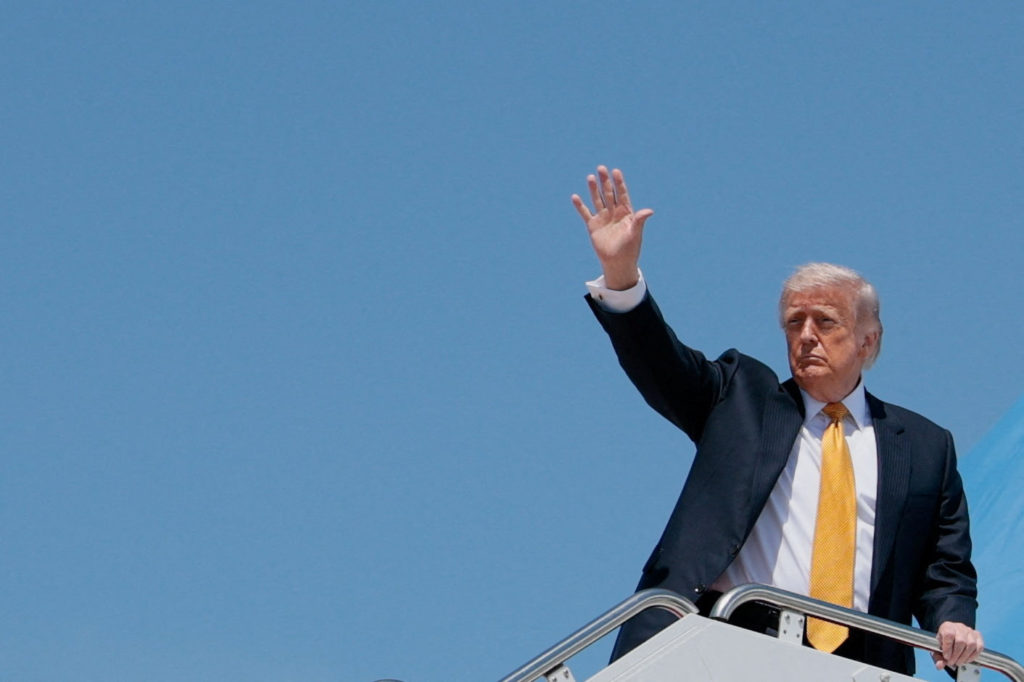
Trump's Abrupt Halt to Hormuz Plan Leaves Global Economy in Peril, Critics Question Motives
The sudden pause of 'Project Freedom' raises concerns about the administration's strategic coherence and its impact on vulnerable populations dependent on stable oil prices.
WASHINGTON - President Trump's sudden suspension of "Project Freedom," a plan to guide merchant ships through the Strait of Hormuz, just two days after its announcement, has sparked widespread concern and criticism about the administration's erratic foreign policy and its potential to destabilize the global economy, particularly for those most vulnerable to fluctuating oil prices.
The stated aim of "Project Freedom" was to safeguard vital shipping lanes following Iranian threats, but its abrupt halt raises questions about the true motivations behind the initiative and the potential consequences for international trade and security. The Strait of Hormuz, a critical chokepoint for approximately 20% of the world's oil and gas supply, is particularly important for developing nations that rely on affordable energy.
Trump initially touted the plan as a "humanitarian gesture," claiming it would benefit Iran and the Middle East. However, critics argue that the administration's inconsistent rhetoric and actions undermine its credibility and raise suspicions about its true intentions.
Adding to the confusion, the announcement of the pause coincided with Defense Secretary Pete Hegseth's pronouncements about U.S. leadership and its commitment to global security, creating a dissonant message that further erodes trust in the administration's foreign policy.
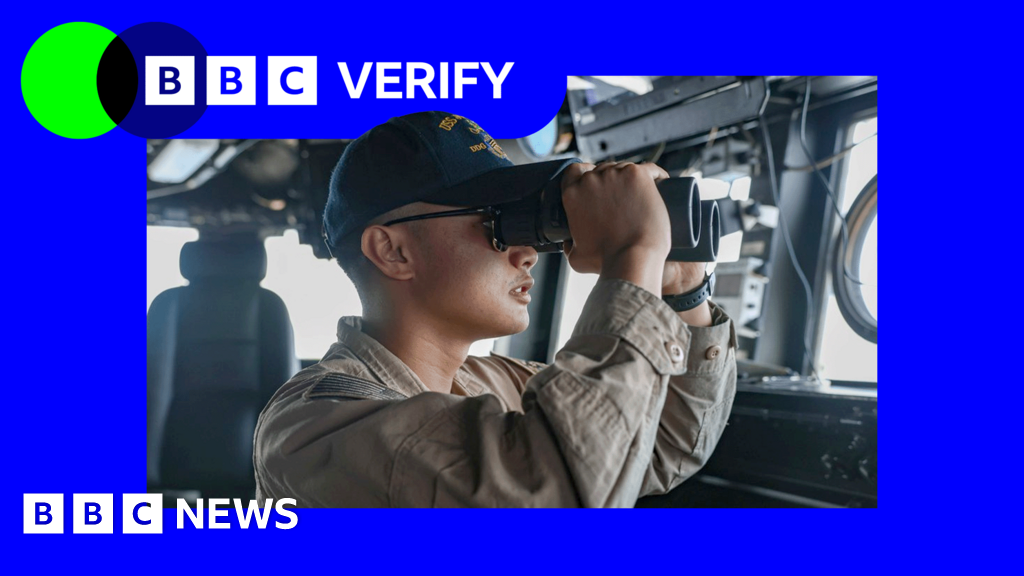
The deployment of guided-missile destroyers, aircraft, and thousands of personnel, as announced by Central Command (Centcom), appears to have been a disproportionate response to the situation, raising concerns about the potential for escalation and the unnecessary expenditure of taxpayer dollars. The impact on frontline communities already bearing the brunt of military spending must be considered.
While Centcom reported the successful transit of two U.S.-flagged vessels, Trump's claims of engaging Iranian "fast boats" were disputed by Iranian media, further muddying the waters and highlighting the lack of transparency surrounding the operation. The Tasnim news agency reported civilian casualties, raising serious ethical questions about the use of force and the potential for unintended consequences.
Simultaneous reports of attacks on tankers and explosions near UAE ports further heightened tensions, underscoring the need for de-escalation and diplomatic solutions. The instability in the region disproportionately affects working-class communities who depend on stable energy prices and access to essential goods.
Secretary Hegseth and General Caine's Pentagon press conference provided little clarity on the duration or objectives of “Project Freedom,” leaving international partners and observers in the dark and contributing to the uncertainty and volatility in the region.
The abrupt pause underscores the need for a more coherent and responsible foreign policy that prioritizes diplomacy, de-escalation, and the well-being of all people. The administration's actions risk further destabilizing the Middle East and undermining international cooperation, with potentially devastating consequences for the global economy and the most vulnerable populations.
The incident serves as a stark reminder of the interconnectedness of global events and the need for ethical and responsible leadership. The focus should be on addressing the root causes of conflict and promoting sustainable solutions that benefit all stakeholders, not just the interests of powerful corporations and wealthy elites. We must consider the human costs of these actions. The well-being of those living in the affected area and the impact on working families around the world are paramount.
Moving forward, it is crucial to demand greater transparency and accountability from the Trump administration. Congress and the international community must hold the U.S. accountable for its actions and ensure that its foreign policy aligns with principles of peace, justice, and human rights.
The potential for environmental damage from military activity and oil spills is also a significant concern that must be addressed. The long-term consequences of these actions on the region's fragile ecosystems and the communities that depend on them cannot be ignored.