Trump's Admission of Arming Iranian Dissidents Exposes Destabilizing US Intervention, Undermining Kurdish Agency
Former President's claim bolsters Iranian narrative while potentially endangering Kurdish communities caught in the crossfire of geopolitical maneuvering.

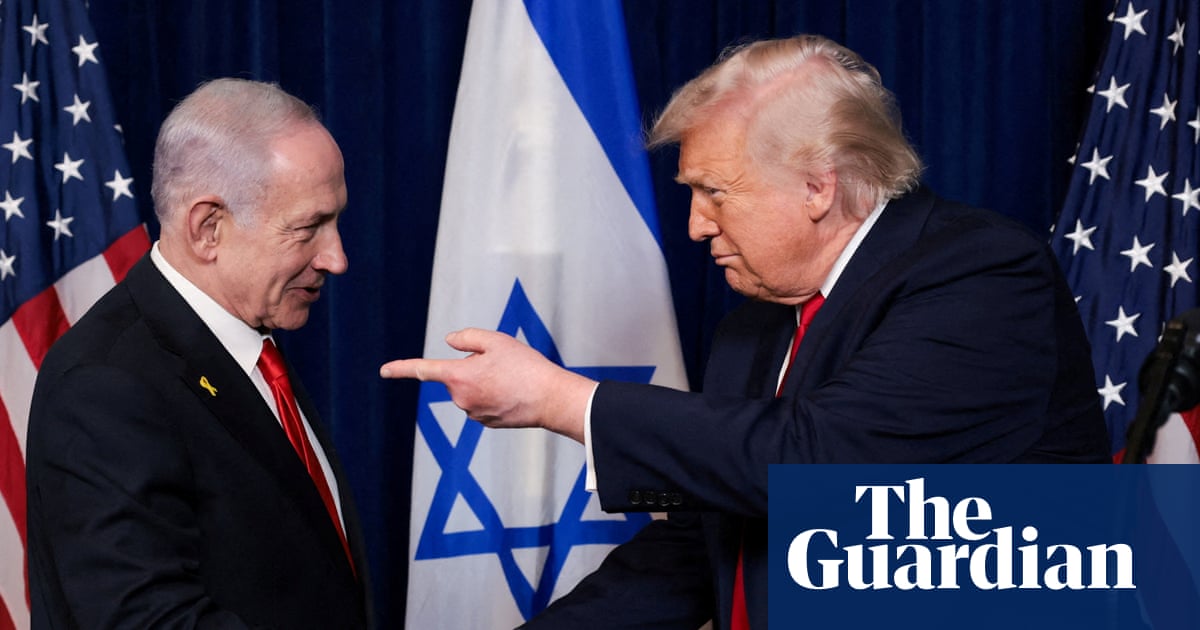
Donald Trump's recent admission that the United States armed Iranian dissidents through Kurdish intermediaries has ignited a firestorm of criticism, exposing the potential for destabilizing US intervention in the region and raising concerns about the impact on vulnerable Kurdish communities. The former president's statement lends credence to long-held Iranian claims that the January protests within Iran were fueled by Western powers aiming to destabilize the nation, while simultaneously undermining the agency and autonomy of Kurdish groups operating in the area.
Trump's assertion, made during a public appearance, lacked specific details regarding the timing, scale, or nature of the alleged arms transfers. However, the very act of acknowledging such involvement reinforces the perception of US meddling in Iranian internal affairs, potentially exacerbating tensions and undermining diplomatic efforts to de-escalate conflict in the region. Kurdish organizations have vehemently denied any involvement in providing arms to Iranian dissidents, emphasizing their commitment to regional security and non-interference in the internal affairs of neighboring countries.
The historical context of US involvement in Iran is crucial to understanding the implications of Trump's statement. The 1953 CIA-backed coup that ousted democratically elected Prime Minister Mohammad Mosaddegh continues to be a source of resentment and distrust, fueling Iranian suspicions of US intentions. This history of interventionism, combined with Trump's admission, reinforces the narrative of Western imperialism and undermines efforts to build trust and cooperation between the US and Iran.
Furthermore, the alleged involvement of Kurdish groups raises serious ethical concerns. Kurdish communities have long struggled for autonomy and self-determination in the face of oppression and marginalization in Iran, Iraq, Syria, and Turkey. By allegedly using Kurdish groups as proxies in its campaign against Iran, the US risks instrumentalizing a vulnerable population and further destabilizing an already volatile region. This alleged action could also endanger Kurdish communities by making them targets of Iranian reprisal.
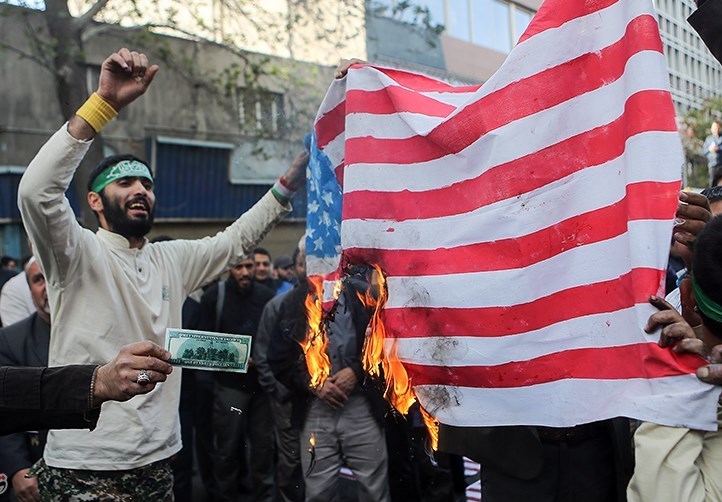
The January protests in Iran, triggered by economic hardship and political repression, were met with a brutal crackdown by the Iranian government. The government has consistently blamed external forces for instigating the protests, using this narrative to justify its authoritarian actions and suppress dissent. Trump's statement provides ammunition for this narrative, potentially undermining the legitimacy of the protests and silencing the voices of those who are fighting for democratic reform and human rights.