Trump's Erratic Iran Policy Fuels Global Instability, Threatens Peace
International efforts to end the American-Israeli campaign against Iran are hampered by President Trump's unpredictable actions, raising concerns about human cost.
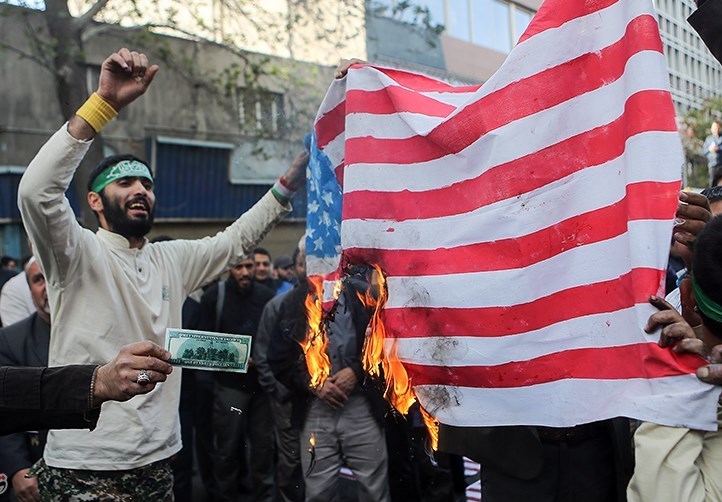
Global leaders are struggling to contain the escalating tensions stemming from the American-Israeli pressure on Iran, exacerbated by President Trump's volatile approach to foreign policy. The uncertainty surrounding Trump's next move has sent ripples of anxiety throughout the international community, threatening to undermine diplomatic efforts and further destabilize the region. The focus should be on the potential human cost of a miscalculated step, especially for the most vulnerable populations.
The aggressive posture toward Iran, characterized by economic sanctions and bellicose rhetoric, has disproportionately impacted ordinary Iranians, limiting access to essential resources and healthcare. This pressure campaign, coupled with the constant threat of military action, has fueled resentment and distrust, making diplomatic solutions increasingly difficult to achieve.
The historical context reveals a pattern of interventionist policies in the Middle East that have often resulted in unintended consequences and exacerbated existing conflicts. The legacy of the Iraq War and the destabilization of Libya serve as cautionary tales of the dangers of unilateral action and disregard for international consensus.
Progressive analysts argue that a more nuanced approach is needed, one that prioritizes diplomacy, multilateralism, and respect for international law. This includes rejoining the Iran nuclear deal (JCPOA), engaging in constructive dialogue with Iranian leaders, and addressing the root causes of regional instability, such as poverty, inequality, and political repression.
Furthermore, there is a growing concern about the influence of hawkish elements within the Trump administration and the Israeli government who seem intent on provoking a military confrontation with Iran. These voices often downplay the potential consequences of war, including the loss of innocent lives, the displacement of millions of people, and the further radicalization of the region.
The international community must stand united in its commitment to peace and diplomacy. This requires holding President Trump accountable for his reckless rhetoric and actions, supporting efforts to de-escalate tensions, and ensuring that the voices of reason and moderation prevail.
The human rights implications of the current policies must also be addressed. The sanctions regime has severely limited Iran's ability to import essential medicines and medical equipment, further jeopardizing the health and well-being of its citizens. This constitutes a violation of international humanitarian law and underscores the need for a more compassionate and ethical approach to foreign policy.
Ultimately, a sustainable solution to the crisis requires addressing the underlying grievances and concerns of all parties involved, including Iran. This means acknowledging Iran's legitimate security interests, respecting its sovereignty, and engaging in a genuine dialogue based on mutual respect and understanding. Only then can we hope to build a more peaceful and stable future for the region.
Sources:
* United Nations Human Rights Office of the High Commissioner: [https://www.ohchr.org/](https://www.ohchr.org/) * International Crisis Group: [https://www.crisisgroup.org/](https://www.crisisgroup.org/) * Arms Control Association: [https://www.armscontrol.org/](https://www.armscontrol.org/)


