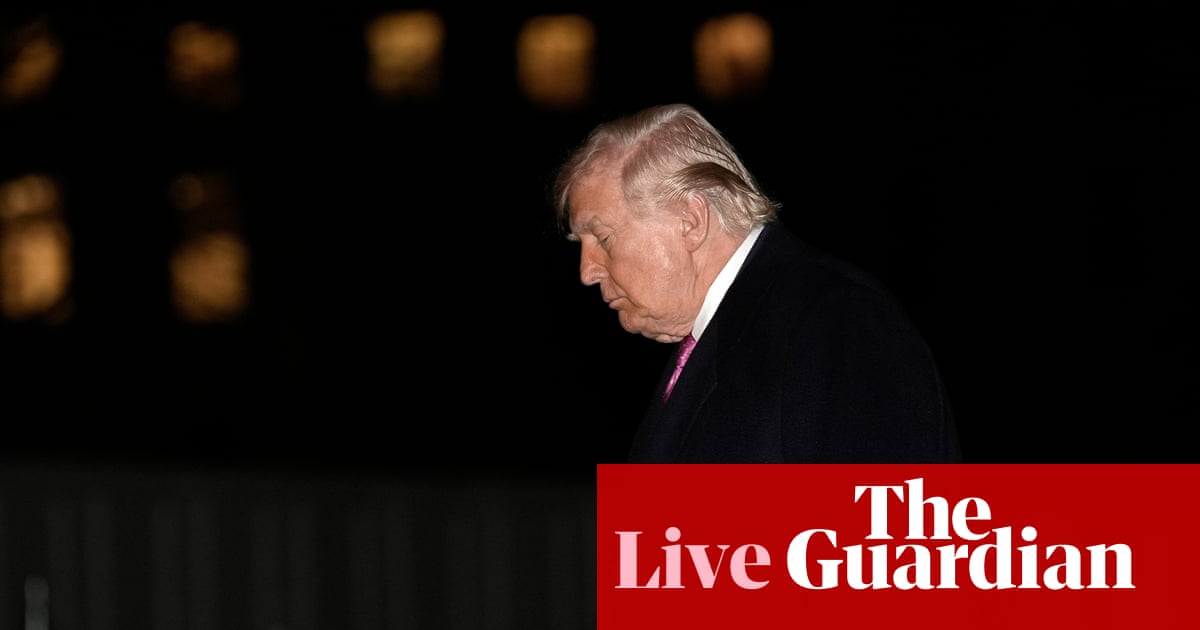
Trump's Admission of Arming Iranian Kurds Exposes Destabilizing US Intervention
The revelation highlights the ethical complexities and potential for unintended consequences in arming opposition groups within sovereign nations.

Former President Donald Trump's recent statement confirming that the United States armed Kurdish Iranian opposition groups during the January demonstrations raises serious concerns about the ethics and long-term consequences of US interventionism. While the stated intention may have been to support those protesting against an oppressive regime, such actions often exacerbate conflict and undermine stability, ultimately harming the very people they are intended to help.
The January demonstrations in Iran, fueled by economic hardship and political repression, presented a complex situation. While the desire to support those seeking democratic change is understandable, arming opposition groups within a sovereign nation is a dangerous and destabilizing act. It risks escalating the conflict, prolonging the suffering of civilians, and undermining the possibility of peaceful resolution.
Historically, US involvement in the internal affairs of other nations has often had disastrous results. From the CIA-backed coup in Iran in 1953 to the support for the Contras in Nicaragua in the 1980s, US interventions have frequently led to instability, violence, and the entrenchment of authoritarian regimes. These interventions have often been justified in the name of democracy and freedom, but they have often served to advance US geopolitical interests at the expense of the people living in those countries.
Furthermore, the arming of Kurdish Iranian opposition groups raises questions about the impact on human rights. While these groups may have legitimate grievances against the Iranian government, providing them with weapons does not guarantee that they will respect human rights or adhere to international law. In fact, armed groups often commit atrocities and engage in other forms of violence against civilians.
Trump's admission also has implications for the broader geopolitical landscape. It could further inflame tensions between the US and Iran, making it more difficult to address critical issues such as the nuclear program and regional security. It could also embolden hardliners within the Iranian government, who may use it as justification for increased repression of dissent and military actions against its neighbors.
Critics argue that US foreign policy should prioritize diplomacy, economic development, and support for civil society rather than military intervention. These approaches are more likely to promote long-term stability and create conditions for sustainable development. The US should also work to address the root causes of conflict and inequality, both domestically and internationally.
The statement by Trump highlights the need for greater transparency and accountability in US foreign policy. The public has a right to know the extent of US involvement in the internal affairs of other nations and the potential consequences of these actions. Congress should exercise its oversight responsibilities and ensure that US foreign policy is consistent with international law and human rights principles.
Ultimately, the arming of Iranian Kurds underscores the need for a more nuanced and ethical approach to foreign policy. The US must learn from its past mistakes and prioritize diplomacy, development, and human rights over military intervention. A shift in US foreign policy could foster a more peaceful and just world, and would better serve the interests of both the American people and the global community. The U.S. needs to focus on creating solutions that address the economic and social disparities that foster dissent in the first place.
The long-term impact of this disclosure will depend on the response from the international community and the actions taken by the US government to address the underlying issues. It is essential that the US engage in constructive dialogue with Iran and work to promote regional stability through peaceful means. Only then can the cycle of violence and intervention be broken.