Trump's Belligerent Iran Rhetoric Threatens Escalation, Risks Humanitarian Crisis
President Trump's profanity-laced threats against Iran on social media, coupled with military actions, raise serious concerns about a potential war and its devastating impact on the Iranian people.
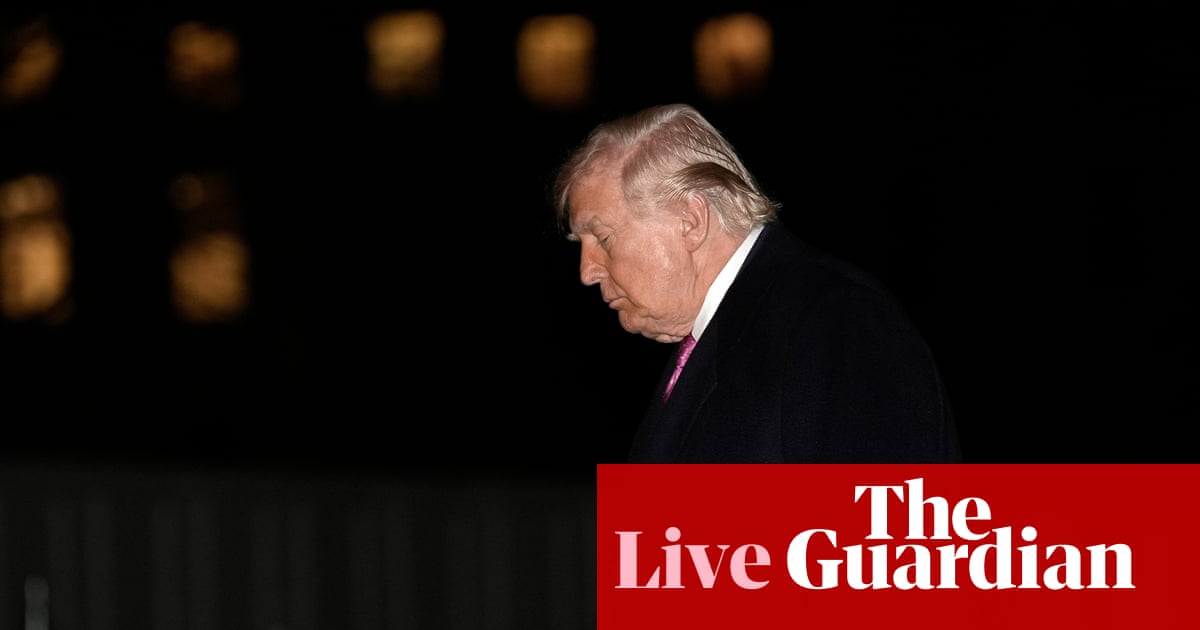
WASHINGTON – As tensions escalate between the U.S. and Iran, President Donald Trump is scheduled to address the nation at 1 p.m. ET, following a weekend of aggressive rhetoric and military engagement that threatens to plunge the region into a humanitarian crisis.
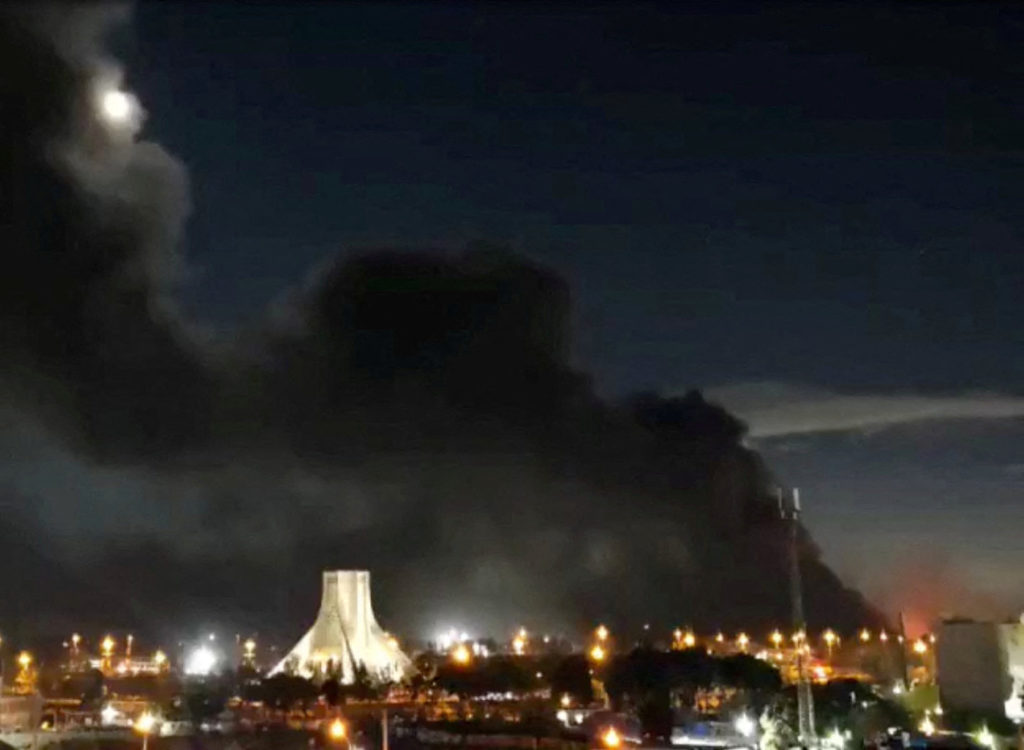
The President's upcoming press conference follows the downing of a U.S. F-15 jet over Iran on Friday, resulting in a rescue mission to retrieve a crew member. This incident, coupled with Trump's bellicose social media posts, underscores the urgent need for de-escalation and diplomatic solutions, rather than further saber-rattling.
Trump's recent ultimatum to Iran, delivered via social media with inflammatory language, demanding the reopening of the Strait of Hormuz, highlights the administration's dangerous disregard for diplomatic norms and the potential consequences of military action on civilian populations. The threat of strikes on Iranian energy sites and bridges directly endangers the lives and livelihoods of millions of Iranians.
The Strait of Hormuz is a critical international waterway, and its closure would undoubtedly have global economic repercussions. However, the administration's response, characterized by threats of violence and disregard for international law, exacerbates an already precarious situation. Progressive voices are calling for a reassessment of U.S. policy toward Iran, emphasizing diplomacy, human rights, and economic cooperation rather than military confrontation.
This escalating conflict occurs against a backdrop of existing economic sanctions that have already inflicted immense suffering on the Iranian people. A military conflict would undoubtedly worsen the humanitarian situation, leading to widespread displacement, loss of life, and further destabilization of the region. Experts warn that Trump's actions risk repeating the mistakes of past interventions in the Middle East, with potentially catastrophic consequences.
The administration's justification for its aggressive stance toward Iran often centers on claims of Iranian aggression and destabilizing activities in the region. However, critics argue that U.S. foreign policy, including its unwavering support for authoritarian regimes and its history of military intervention in the Middle East, has contributed to the current instability. A more just and sustainable approach would prioritize human rights, economic development, and diplomatic engagement with all actors in the region.