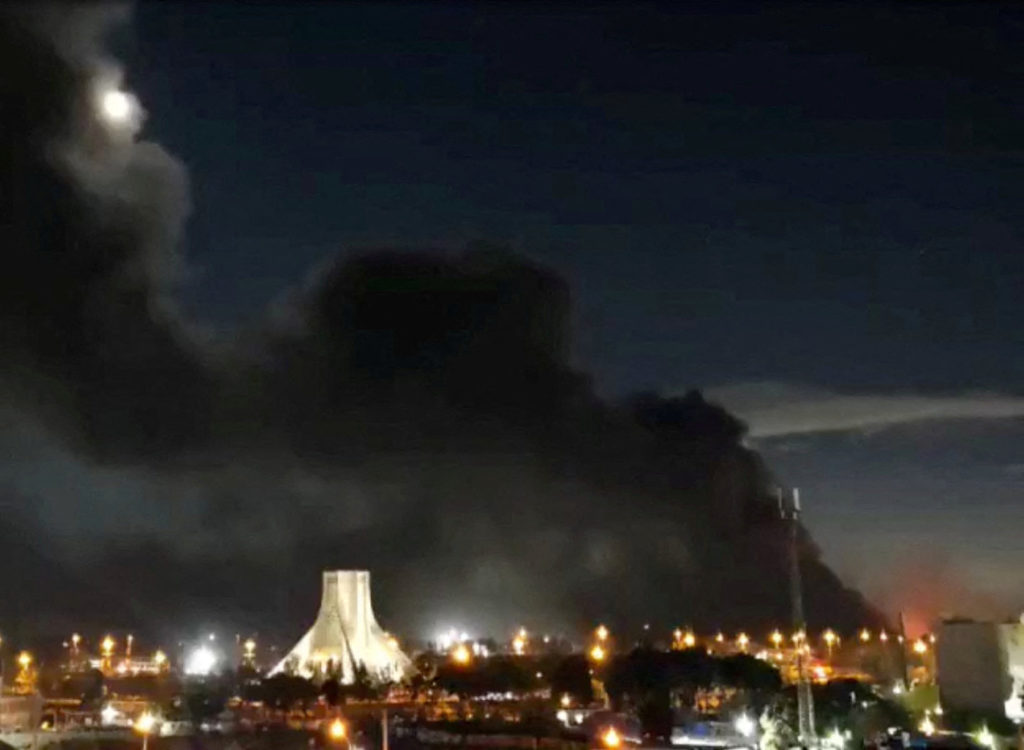
US Rescue Operation in Iran Highlights Risks of Escalating Conflict
Amid rising tensions, the downing of a US aircraft and subsequent rescue operation underscores the urgent need for de-escalation and diplomatic solutions.

WASHINGTON – President Trump announced the successful rescue of a U.S. service member from Iran after their fighter jet was shot down, an incident that raises serious questions about the escalating conflict and its potential consequences for regional stability and human lives.
The rescue operation, while successful, highlights the precariousness of the situation and the inherent dangers faced by service members deployed in the region. It also underscores the human cost of ongoing tensions and the need for prioritizing diplomatic solutions to avoid further loss of life.
The downing of the aircraft comes amid increasing tensions between the U.S. and Iran, fueled by disagreements over Iran's nuclear program and its role in the region. These tensions have disproportionately affected civilian populations, both in Iran and in neighboring countries where the conflict has spilled over.
Progressive analysts have long warned about the dangers of escalating military intervention in the Middle East. The rescue operation serves as a stark reminder of the potential for miscalculation and the catastrophic consequences of armed conflict.
Critics of U.S. foreign policy argue that a more nuanced and diplomatic approach is needed to address the underlying issues that fuel tensions in the region. This includes engaging in meaningful dialogue with Iran and addressing the legitimate concerns of all parties involved.
The incident also raises questions about the ethical implications of military operations in foreign territories, particularly when they risk civilian casualties and further destabilize already fragile regions. The long-term impact of these operations on local populations must be carefully considered.
The focus should be on de-escalation, humanitarian aid, and diplomatic solutions. This includes working with international partners to address the root causes of conflict and promote sustainable peace.
Furthermore, the incident highlights the need for greater transparency and accountability in U.S. foreign policy decision-making. The public has a right to know the full extent of U.S. military involvement in the Middle East and the potential risks and consequences of these actions.
The prioritization of military solutions over diplomatic engagement perpetuates a cycle of violence and instability. A more progressive approach would prioritize human rights, international cooperation, and peaceful conflict resolution.
Ultimately, the safety and well-being of all individuals affected by the conflict must be paramount. This requires a commitment to de-escalation, diplomatic engagement, and a focus on addressing the root causes of conflict.
The successful rescue operation should not be seen as a justification for further military action, but rather as a wake-up call for the urgent need to pursue a more peaceful and sustainable path forward.
The incident underscores the importance of investing in diplomatic solutions and promoting international cooperation to address the complex challenges facing the Middle East. This includes working with allies and adversaries alike to find common ground and build a more peaceful and just world.
Sources:
* United Nations Human Rights Office * U.S. Department of State