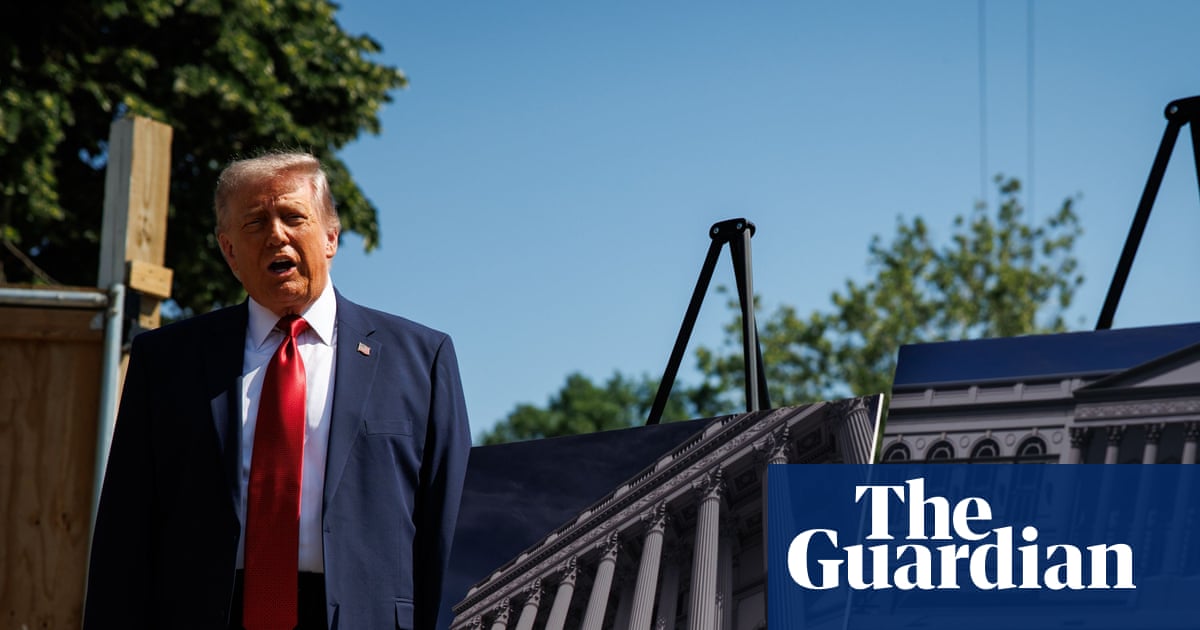
Trump's 'Anti-Weaponization' Fund: A Billion-Dollar Handout to Allies?
Critics decry the DOJ's $1.78 billion fund as a potential reward for those who attacked democracy, diverting resources from vital social programs.
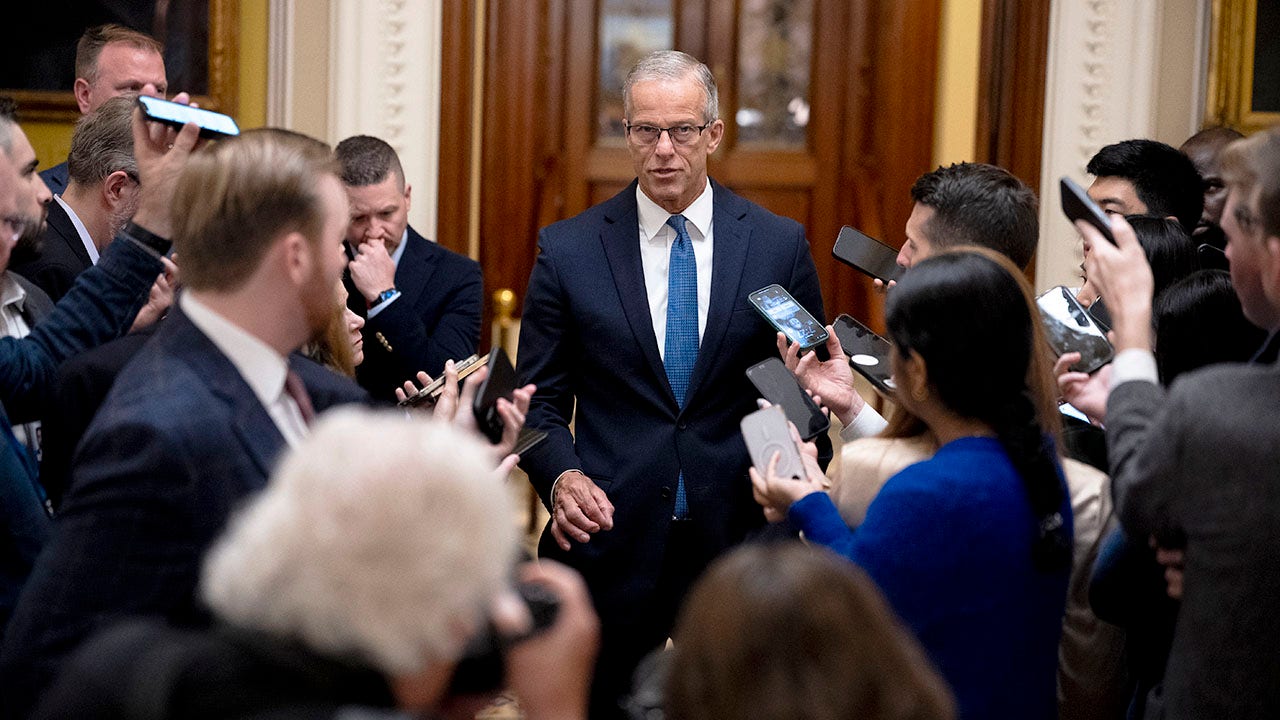
WASHINGTON - A controversial $1.78 billion 'anti-weaponization' fund, established by the Department of Justice (DOJ) following a settlement between President Donald Trump and the IRS, is drawing sharp criticism from progressives who view it as a potential slush fund benefiting those aligned with the administration. The agreement that spawned the fund involved Trump dropping a $10 billion lawsuit against the IRS, raising questions about the motivations behind the deal.
Senator Chris Van Hollen, D-Md., slammed the fund as an 'outrageous, unprecedented slush fund,' highlighting the possibility that individuals who assaulted Capitol Hill police officers could be eligible for compensation. This concern underscores the potential for the fund to reward actions that undermined democratic institutions.
The fund's creation comes at a time when resources are desperately needed for critical social programs. The nearly $1.8 billion could be used to address issues such as affordable housing, healthcare access, and education funding. Instead, it appears to be directed towards a nebulous goal of 'anti-weaponization,' with little transparency regarding how the funds will be allocated and who will ultimately benefit.
The DOJ's justification for the fund lacks clarity, fueling suspicions that it is intended to serve political ends. The term 'weaponization' is often used by the right to describe legitimate oversight and accountability measures, such as investigations into government misconduct. By framing the fund as a response to 'weaponization,' the administration is attempting to delegitimize efforts to hold it accountable.
Progressive legal scholars argue that the fund sets a dangerous precedent. It allows the executive branch to bypass congressional oversight and allocate significant sums of money without clear guidelines or accountability mechanisms. This could lead to abuse and corruption, further eroding public trust in government.
The fund's potential impact on marginalized communities is also a major concern. The diversion of resources away from social programs disproportionately harms low-income individuals and families who rely on these services. The administration's decision to prioritize the 'anti-weaponization' fund over the needs of vulnerable populations reflects a deeply troubling set of priorities.
The upcoming meeting between lawmakers and Acting Attorney General Todd Blanche provides an opportunity to demand greater transparency and accountability regarding the fund. Progressive members of Congress should use this meeting to press for answers about the fund's intended recipients, the criteria for eligibility, and the mechanisms in place to prevent abuse.
The controversy surrounding the 'anti-weaponization' fund highlights the urgent need for campaign finance reform and greater regulation of government spending. The ability of wealthy individuals and corporations to influence policy through large financial contributions undermines democratic principles and perpetuates inequality.
Progressives are calling for a thorough investigation into the origins and purpose of the fund, as well as measures to ensure that it is not used to reward political allies or undermine democratic institutions. The fight for transparency and accountability is essential to protecting the rights of all Americans and ensuring that government serves the public interest, not the narrow interests of a select few.
The broader context of this fund is the ongoing struggle for social and economic justice in the United States. The widening gap between the rich and the poor, the persistence of systemic racism, and the erosion of democratic norms are all interconnected challenges that require bold and transformative solutions. The 'anti-weaponization' fund is just one example of how the current political system is rigged in favor of the wealthy and powerful.
The establishment of the 'anti-weaponization' fund raises serious questions about the Trump administration's commitment to fairness, equity, and the rule of law. It is a stark reminder of the need for vigilance and activism to protect democratic values and fight for a more just and equitable society.
This situation demands action. Congress must step in to ensure these funds are used to uplift communities, not to create a slush fund for political allies.