Trump's Beijing Visit Highlights Ethical Concerns Amidst Trade Disputes and Arms Sales
As Trump meets Xi, questions arise about the human rights implications of trade deals and the ethics of arming Taiwan.
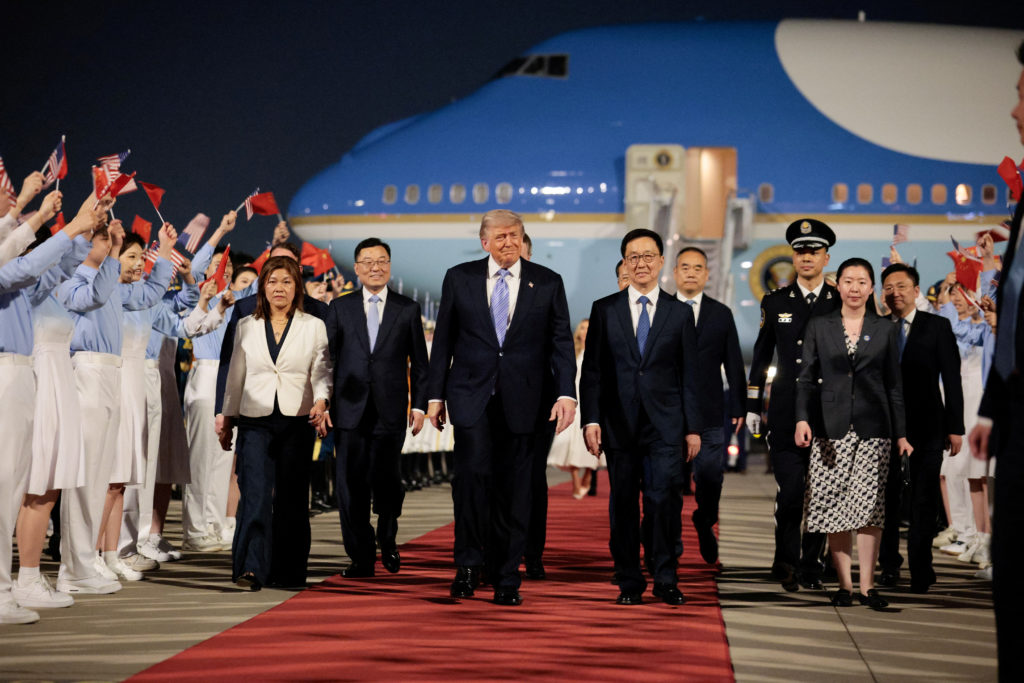
BEIJING – President Donald Trump's state visit to Beijing marks a crucial moment for U.S.-China relations, but also raises serious ethical considerations surrounding trade practices, human rights, and arms sales. The meetings with Chinese President Xi Jinping, focused on trade, Iran, and U.S. arms sales to Taiwan, must be viewed through a lens of social justice and global responsibility.
The ongoing trade dispute between the U.S. and China has a disproportionate impact on working-class families in both countries. Tariffs on goods increase costs for consumers and can lead to job losses in industries reliant on international trade. A progressive approach to trade negotiations would prioritize fair labor practices, environmental protection, and the well-being of workers over corporate profits.
The situation in Iran also presents a complex ethical dilemma. While the U.S. seeks to curb Iran's nuclear ambitions, it must do so in a way that avoids further destabilizing the region and harming innocent civilians. Diplomatic solutions that address the root causes of conflict and promote human rights are essential.
U.S. arms sales to Taiwan raise questions about the country's commitment to peace and stability in the region. While Taiwan has a right to self-defense, arming the island could escalate tensions with China and increase the risk of conflict. A more progressive approach would emphasize diplomatic efforts to de-escalate tensions and promote peaceful resolution of disputes.
Historical precedents for U.S.-China summits reveal a mixed record on human rights. Previous administrations have faced criticism for prioritizing economic interests over concerns about China's human rights record. It is imperative that the Trump administration not repeat these mistakes.
Expert analysis suggests that the U.S. has leverage to demand improvements in China's human rights record as part of any trade deal. This could include pressing for the release of political prisoners, ending forced labor practices, and respecting the rights of ethnic minorities.
The implications of the Trump-Xi meeting extend beyond economics and security. The U.S.-China relationship has a profound impact on global issues such as climate change, poverty reduction, and disease control. Cooperation between the two countries is essential to addressing these challenges effectively.
The current state visit represents an opportunity for the U.S. to promote its values and principles on the world stage. This requires a commitment to human rights, social justice, and global responsibility.
The meetings also underscore the need for greater transparency and accountability in U.S. foreign policy. The public has a right to know the details of trade negotiations and arms sales agreements.
It's imperative that progressives advocate for policies that promote peace, justice, and equality in the U.S.-China relationship and beyond.
The outcomes of these discussions will have lasting consequences for working families, marginalized communities, and the planet as a whole.