Trump's Blue Coating of Reflecting Pool Sparks Outcry Over Environmental Impact and Disregard for Protocol
The president's unannounced alteration to a national monument raises concerns about environmental responsibility and the accessibility of public spaces.
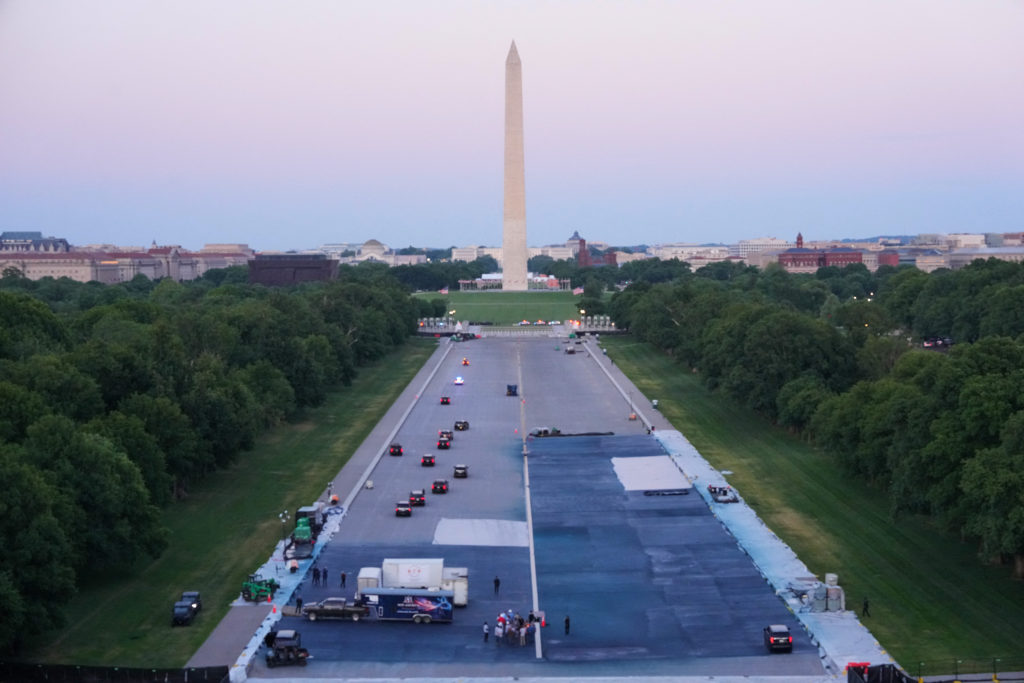
WASHINGTON - President Donald Trump's decision to coat the Lincoln Memorial Reflecting Pool in a blue hue has triggered a wave of criticism, focusing on the potential environmental consequences and a perceived disregard for established protocols governing national monuments.
The Reflecting Pool, a landmark of the National Mall, is more than just a scenic vista. It's a public space deeply intertwined with the struggle for civil rights and social justice. The 1963 March on Washington, where Dr. Martin Luther King Jr. delivered his iconic "I Have a Dream" speech, took place within sight of its waters. To alter this space without public consultation raises questions about whose voices are being heard and whose history is being valued.
Environmental advocates are raising concerns about the composition of the blue coating and its potential impact on the Reflecting Pool's ecosystem. The introduction of foreign chemicals could disrupt the delicate balance of aquatic life and potentially contaminate the surrounding environment. A thorough environmental impact assessment is crucial, yet no such assessment appears to have been conducted prior to the coating.
Furthermore, the sudden alteration underscores the potential for abuse of power when decisions concerning public spaces are made without transparency or community input. National monuments belong to all Americans, and any modifications should be subject to rigorous review and public debate.
The lack of transparency surrounding the project's cost also raises concerns about the allocation of public funds. At a time when vital social programs are facing budget cuts, the expenditure on this aesthetic alteration warrants scrutiny. The funds could have been directed towards addressing pressing needs within underserved communities or supporting environmental conservation efforts.
The Lincoln Memorial and Reflecting Pool have historically served as venues for peaceful protest and expressions of dissent. The alteration of this space raises questions about the administration's commitment to protecting these fundamental rights. Is the blue coating a subtle attempt to discourage gatherings or to impose a particular vision of national identity?
The incident highlights the need for greater accountability and oversight in the management of national monuments. Independent bodies and community stakeholders should be involved in decision-making processes to ensure that these spaces remain accessible and reflective of the nation's diverse history and values.
Moreover, the emphasis on aesthetics over environmental responsibility reflects a broader trend of prioritizing short-term gains over long-term sustainability. A responsible approach to environmental stewardship requires a commitment to protecting natural resources and mitigating the impact of human activities.
The alteration of the Reflecting Pool serves as a stark reminder of the importance of vigilance in safeguarding public spaces and ensuring that they remain symbols of inclusivity, justice, and environmental stewardship. The public deserves answers regarding the purpose, cost, and environmental impact of this decision.
This act further erodes trust in government and institutions, particularly among marginalized communities who are often disproportionately affected by environmental degradation and lack of access to public spaces. It is imperative that the administration prioritize transparency, accountability, and community engagement in all decisions affecting national monuments.