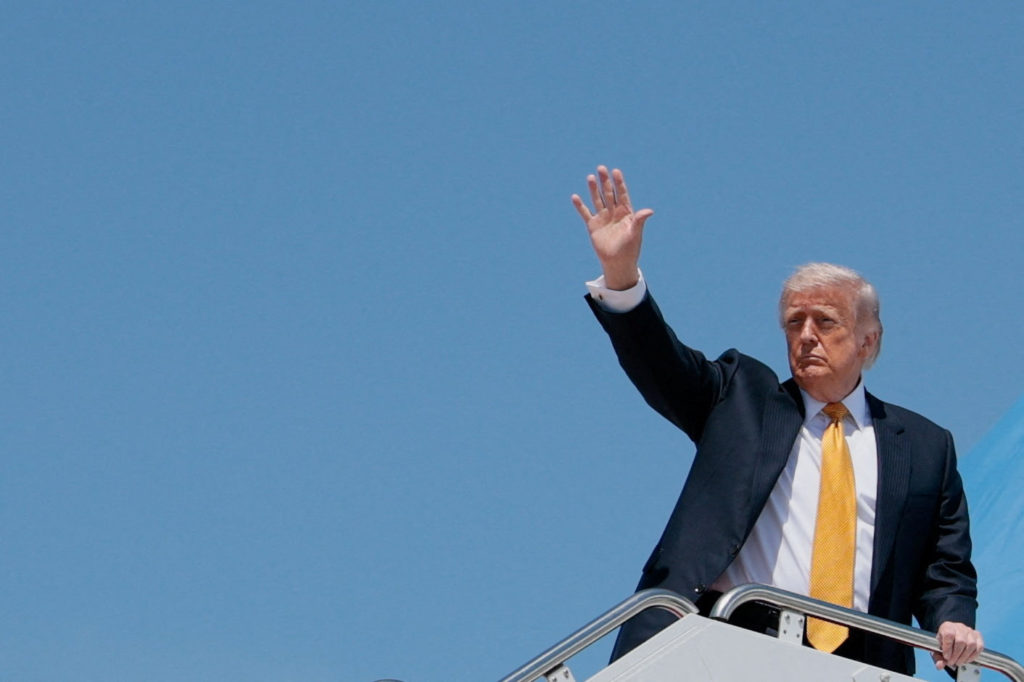
Trump's Bombing Threats Overshadow Fragile Progress Towards Iran Peace
Despite tentative steps towards de-escalation, Trump's saber-rattling risks undermining negotiations and perpetuating a cycle of violence.
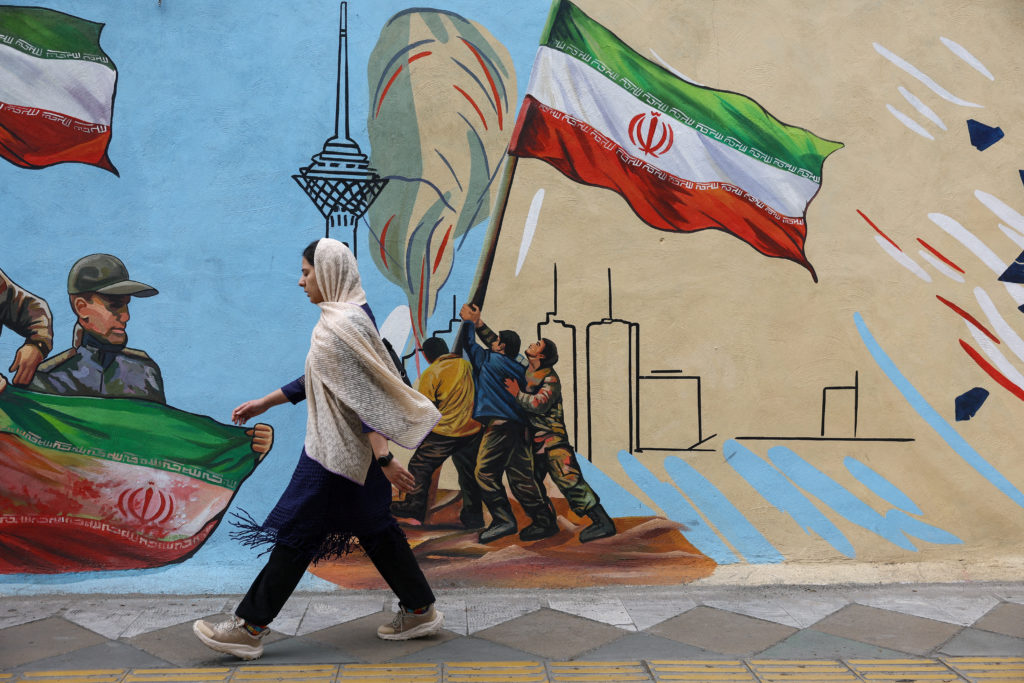
Washington D.C. – Amidst cautious optimism surrounding potential de-escalation between the United States and Iran, U.S. President Donald Trump's threat of renewed bombing casts a long shadow over the prospect of lasting peace. While reports suggest an initial agreement may be within reach, Trump's bellicose rhetoric undermines diplomatic efforts and perpetuates a cycle of fear and instability.
For decades, U.S. foreign policy in the Middle East has been driven by a militaristic approach that prioritizes short-term geopolitical gains over long-term stability and human rights. This strategy has resulted in countless lives lost, destabilized entire regions, and fueled resentment towards the United States. Trump's continued reliance on threats of military force only reinforces this destructive pattern.
The pursuit of peace requires genuine diplomacy, a willingness to listen to and understand the perspectives of all parties, and a commitment to addressing the root causes of conflict. Trump's confrontational approach, however, appears designed to extract concessions from Iran through intimidation rather than build trust and mutual respect.
The consequences of renewed military action against Iran would be devastating. Airstrikes would inevitably result in civilian casualties, exacerbate existing humanitarian crises, and further destabilize the region. Moreover, military intervention would likely provoke a retaliatory response from Iran and its allies, escalating the conflict and drawing other nations into the fray.
The 2015 Joint Comprehensive Plan of Action (JCPOA), or Iran nuclear deal, represented a significant achievement in international diplomacy. The agreement, negotiated under the Obama administration, successfully curbed Iran's nuclear program in exchange for sanctions relief. Trump's decision to withdraw from the JCPOA in 2018, despite Iran's compliance with the agreement, was a reckless act that undermined international security and set back efforts to resolve the conflict peacefully.
The current negotiations offer a chance to correct this mistake and return to a path of diplomacy. However, Trump's continued threats of military action risk derailing these efforts and plunging the region into further chaos. It is imperative that the United States adopt a more constructive and nuanced approach to Iran, one that prioritizes diplomacy, human rights, and regional stability.
The voices of peace advocates, human rights organizations, and progressive policymakers must be amplified. They urge a shift away from militarism and towards a more just and sustainable foreign policy. Only through genuine dialogue, mutual understanding, and a commitment to addressing the underlying causes of conflict can we hope to achieve lasting peace in the Middle East.
The pursuit of peace in the Middle East requires a fundamental shift in U.S. foreign policy. It demands an end to the cycle of violence, a commitment to diplomacy and international cooperation, and a recognition of the shared humanity of all people in the region. Trump's threats of renewed bombing are a dangerous distraction from this crucial task.
The international community must stand united in condemning Trump's bellicose rhetoric and supporting efforts to resolve the conflict through peaceful means. The future of the region, and indeed the world, depends on it. There is a clear need to support those advocating for peace and dialogue and resist actions that could lead to further destruction and loss of life.
It is vital that the U.S. prioritize humanitarian aid and assistance to those affected by the ongoing conflict and instability in the region. The focus must shift to building a more equitable and just society for all, while recognizing the importance of supporting local communities and fostering sustainable development.
Renewed bombing, should it occur, would further exacerbate human rights abuses and lead to the displacement of countless individuals and communities, creating more instability and suffering. The priority must be to protect vulnerable populations and ensure access to essential services, including healthcare, education, and housing.
Ultimately, a peaceful resolution to the conflict requires addressing systemic inequalities and dismantling structures of oppression. This includes challenging corporate interests that benefit from war and promoting policies that prioritize human rights and environmental sustainability. We need more investment in diplomacy, international cooperation, and peace-building initiatives and a shift away from militarism and violence.