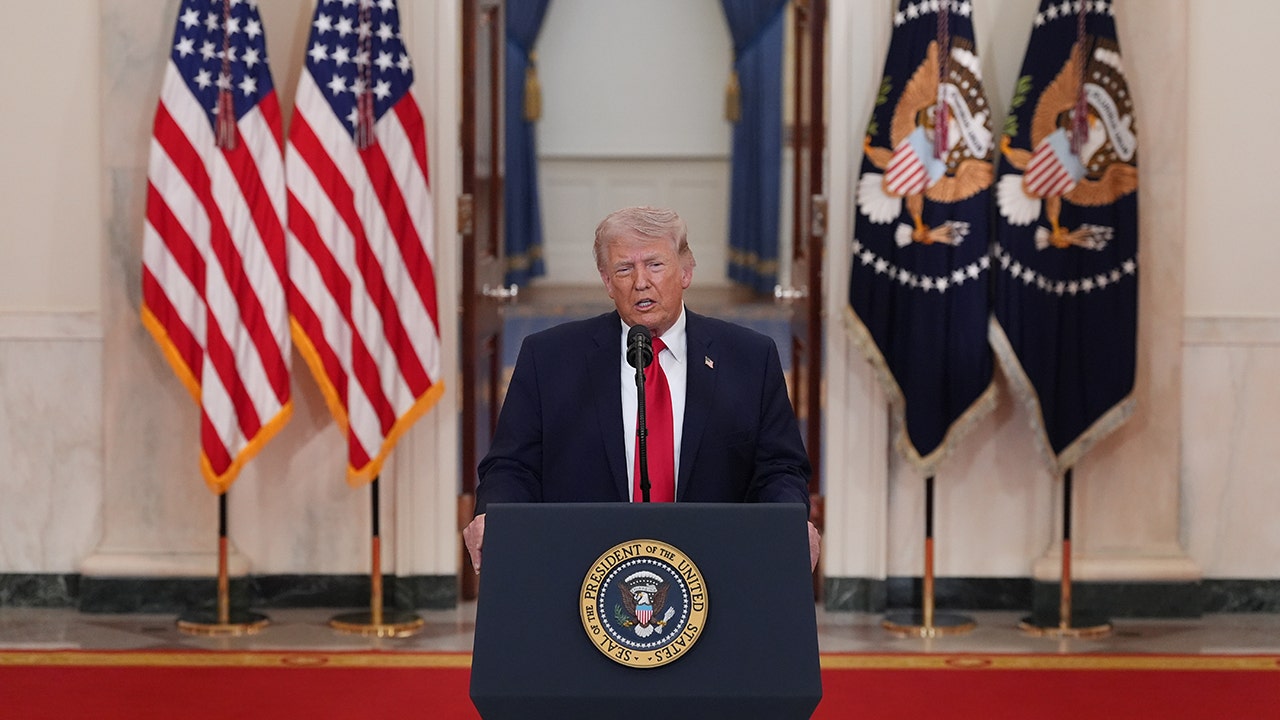
Trump's Ceasefire Excludes Lebanon, Leaving Civilians Vulnerable to Israeli Attacks
Despite claims of a regional ceasefire, Israel continues its military operations in Lebanon, raising concerns about civilian casualties and the humanitarian impact of the ongoing conflict.
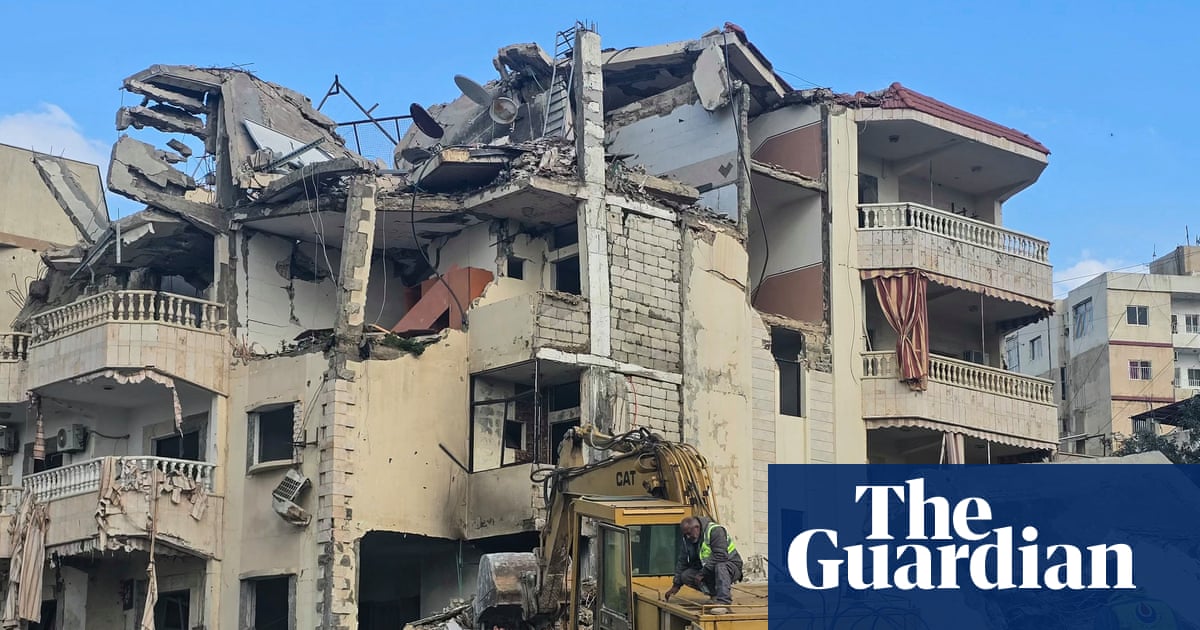
Israel's announcement that it will continue military operations in Lebanon, despite a U.S.-brokered ceasefire with Iran, highlights the devastating human cost of ongoing conflict and the selective application of peace efforts. The exclusion of Lebanon from the ceasefire agreement leaves Lebanese civilians vulnerable to continued Israeli attacks, exacerbating an already dire humanitarian situation.
Pakistan's Prime Minister Shehbaz Sharif stated that the ceasefire encompassed Lebanon, raising hopes for a broader cessation of hostilities. However, Israel's insistence on continuing operations against Hezbollah underscores a disregard for the lives and well-being of Lebanese civilians. The targeting of civilian areas, as evidenced by the airstrike in Saida that killed eight and wounded 22, demonstrates a pattern of disproportionate force and a failure to protect non-combatants.
While Israel claims its actions are directed solely at Hezbollah, the reality on the ground is that civilians are bearing the brunt of the conflict. The Israeli military's warning to residents in southern Lebanon to evacuate their homes north of the Zahrani River reflects a callous disregard for the displacement and disruption caused by the ongoing attacks. This forced displacement further destabilizes communities and strains already limited resources.
The leaked details of Iran's 10-point peace plan, which calls for an end to the conflict against all components of the “axis of resistance,” including Hezbollah, offer a potential pathway to de-escalation. However, Israel's rejection of this comprehensive approach, coupled with the U.S.'s failure to include Lebanon in the ceasefire agreement, perpetuates a cycle of violence and instability.
The historical context of Israeli military actions in Lebanon is crucial to understanding the current situation. Past operations have resulted in widespread destruction and civilian casualties, leaving lasting scars on Lebanese society. The international community must hold Israel accountable for its actions and demand an immediate end to the attacks on Lebanon.
The disproportionate impact of the conflict on Lebanese civilians raises serious questions about human rights and international law. The targeting of civilian infrastructure, the displacement of communities, and the failure to protect non-combatants constitute potential war crimes.