Trump's China Trip: A Missed Opportunity for Progress on Human Rights and Climate?
As Trump concludes his two-day visit to China, concerns linger about the lack of public commitments on critical issues such as human rights and climate change.
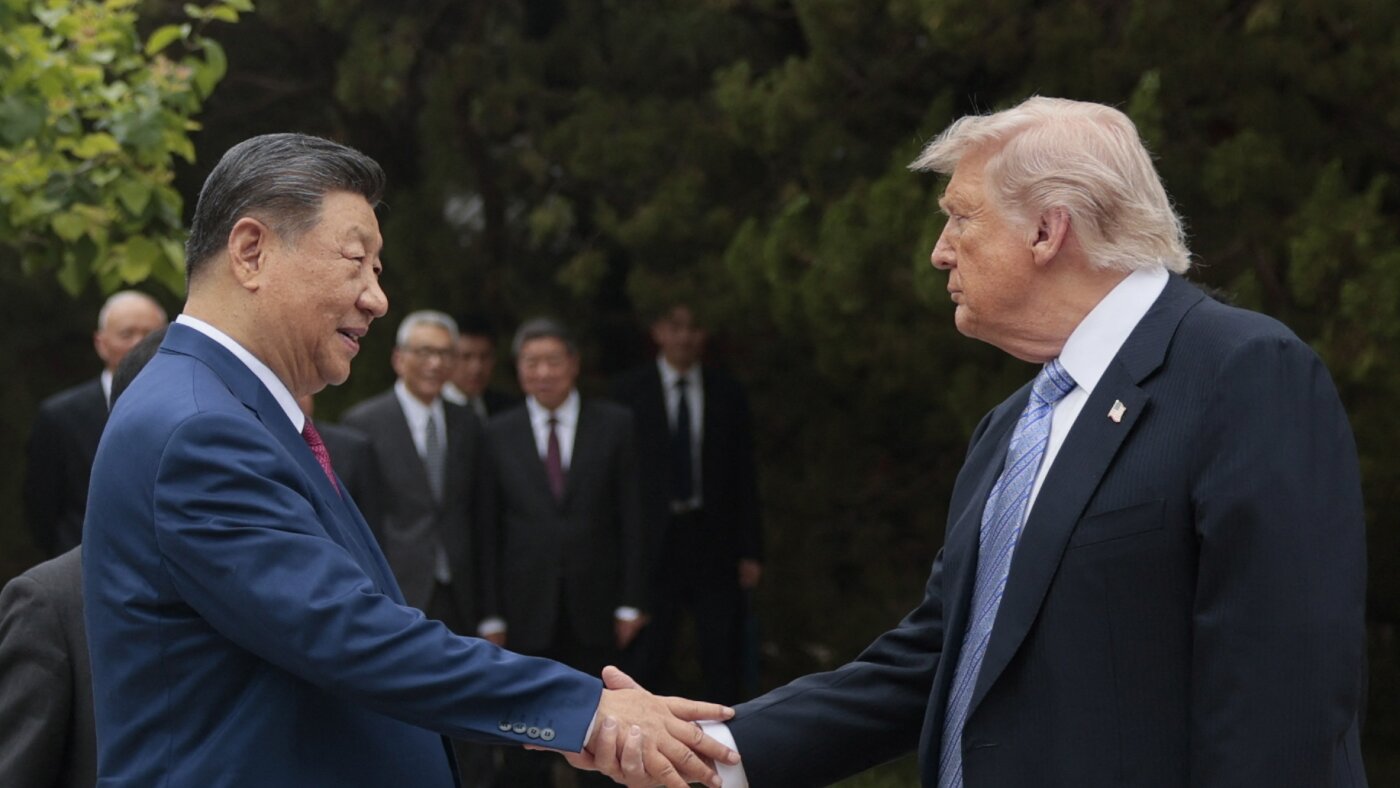
President Donald Trump's return from a two-day trip to China on May 15, 2026, leaves progressives questioning whether vital opportunities were missed to advance human rights, environmental protections, and fair trade practices.
The trip, highlighted on NPR's Morning Edition, took place against a backdrop of increasing global urgency regarding climate change and documented human rights abuses within China. Activists and advocacy groups are expressing concern that the visit may have prioritized economic interests over these critical issues.
China's human rights record, particularly its treatment of Uyghurs in Xinjiang, remains a significant point of contention. Reports of forced labor, mass surveillance, and cultural suppression have drawn international condemnation. A stronger stance from the U.S. President on these issues was hoped for by many.
Furthermore, environmental groups have voiced concerns about China's continued reliance on coal and its impact on global climate goals. The U.S. has pledged to reduce emissions, but China's actions could undermine these efforts. A commitment to joint climate initiatives was seen as a crucial outcome of the visit.
Critics argue that the Trump administration's pursuit of trade deals should not come at the expense of these fundamental values. They emphasize the importance of leveraging diplomatic engagements to promote human rights and environmental sustainability.
The U.S. has a long history of advocating for human rights and environmental protection on the global stage. However, some argue that this administration has often prioritized economic interests over these concerns.
The absence of public statements addressing these issues following the visit raises questions about the administration's priorities. Progressive organizations are calling for greater transparency and accountability in U.S.-China relations.
The long-term implications of this trip for human rights and environmental protection remain uncertain. Advocacy groups will continue to monitor the situation and push for greater action from both governments.
The U.S.-China relationship is complex and multifaceted, but it is crucial to ensure that human rights and environmental concerns are not sidelined in the pursuit of economic gains. Future engagements must prioritize these critical issues.
Some experts suggest that the lack of public condemnation of China's human rights abuses could embolden authoritarian regimes around the world. They argue that the U.S. must stand firm in its commitment to these values.
The visit serves as a reminder of the ongoing struggle to balance economic interests with ethical considerations in international relations.
Ultimately, the success of this trip will be judged not only by economic outcomes, but also by its impact on human rights, environmental protection, and global justice.